

Author Archives: CPAPstore

Sleep Apnea and Sex Problems it’s Not Just For Men

Sleep Apnea and Sex Problems: Not Just For Men

Sleep Apnea and Sex Problems it’s Not Just for Men

Sleep apnea, a condition in which breathing repeatedly stops and starts during sleep, has long been associated with various health complications. While the focus has often been on physical effects like high blood pressure, heart disease, and daytime fatigue, sleep apnea can also lead to sexual dysfunction — and it’s not just a men’s issue. Both men and women can experience challenges in their sexual health due to untreated sleep apnea, affecting intimacy, satisfaction, and overall well-being.

How Sleep Apnea Impacts Sexual Health

Sleep apnea’s repeated interruptions in breathing lead to lower blood oxygen levels, fragmented sleep, and increased stress on the body. This combination impacts physical and mental health in several ways that can affect sexual function for both men and women:

  1. Hormonal Changes: Sleep apnea disrupts the body’s normal hormone cycles. Testosterone, a hormone associated with sexual drive in both sexes, is typically replenished during deep sleep stages. In sleep apnea, these stages are interrupted, often leading to lower testosterone levels. This can result in a decreased libido for both men and women.
  2. Fatigue and Mood Changes: The chronic exhaustion caused by sleep apnea can reduce overall energy levels, making the idea of intimacy less appealing. Additionally, poor-quality sleep can lead to mood swings, irritability, and even depression — all factors that can diminish interest and satisfaction in sexual relationships.
  3. Impaired Blood Flow: For men, reduced blood oxygen levels associated with sleep apnea can lead to problems with blood flow, which is essential for erectile function. Women, too, rely on proper blood flow for arousal and pleasure, so sleep apnea-related oxygen dips can affect their experience as well.
  4. Impact on Relationships: Poor sleep, snoring, and waking up throughout the night can create distance and frustration between partners. The physical and emotional toll of these disruptions can add tension to relationships, making intimacy even more challenging.

Sexual Dysfunction in Men and Women with Sleep Apnea

For Men:

Erectile dysfunction (ED) is common among men with untreated sleep apnea. Studies have found a direct relationship between the severity of sleep apnea and the occurrence of ED, highlighting how reduced oxygen levels and hormonal disruptions interfere with sexual performance and desire. However, with effective treatment, such as continuous positive airway pressure (CPAP) therapy, many men experience improvements in both erectile function and libido.

For Women:

While sexual dysfunction in women with sleep apnea is less frequently discussed, research shows that it is just as prevalent. Women with untreated sleep apnea often report low libido, difficulty with arousal, and reduced satisfaction. These issues are also linked to hormonal disruptions and fatigue but are often less recognized and less frequently treated. Many women experience improvements in sexual health when their sleep apnea is managed, typically with CPAP therapy or other interventions.

The Role of CPAP Therapy in Improving Sexual Health

Continuous positive airway pressure (CPAP) therapy, the primary treatment for sleep apnea, keeps the airway open, allowing for uninterrupted breathing and more restful sleep. Studies show that regular use of CPAP therapy can restore natural sleep cycles, leading to improved hormone regulation, increased energy levels, and better overall mood. For many individuals, these changes translate into a renewed sense of vitality and sexual interest.

In addition, improved oxygen levels from CPAP therapy can benefit blood flow, enhancing arousal and erectile function. The mental and emotional benefits of better sleep can also improve relationships, making intimacy more achievable and enjoyable.

Addressing Sleep Apnea and Sexual Health: A Shared Journey

If you or your partner are experiencing both sleep apnea and sexual difficulties, addressing them together can be beneficial. It’s essential to recognize that these issues are interconnected and not unusual for either gender. Consulting with a sleep specialist can be the first step in addressing sleep apnea, which in turn may improve both partners’ experiences with intimacy. Other lifestyle changes, such as weight management, reducing alcohol consumption, and stress reduction, can also support both sleep quality and sexual health.

Ultimately, recognizing and treating sleep apnea can improve more than just sleep — it can also rejuvenate aspects of life that contribute to happiness, connection, and well-being. By acknowledging that these issues affect everyone, men and women alike, we can open the door to better conversations, understanding, and support for comprehensive health.

Conclusion: CPAP Therapy as a Path to Improved Sexual Health

For individuals affected by sleep apnea, CPAP therapy offers more than just relief from sleep disruptions; it can be a gateway to restoring and enhancing sexual health. By ensuring a steady supply of oxygen and improving overall sleep quality, CPAP therapy helps the body rebalance crucial hormones, reduce fatigue, and stabilize mood. These physical and emotional benefits translate into better energy, greater libido, and improved arousal and satisfaction for both men and women. CPAP therapy can also foster closer relationships by alleviating issues like loud snoring and interrupted sleep, which often strain intimacy. As sleep quality and health improve, many people find themselves more engaged and revitalized in their relationships, demonstrating that effective sleep apnea treatment with CPAP can play a critical role in rekindling intimacy and restoring sexual well-being.
Trucking Wakes Up To Sleep Apnea

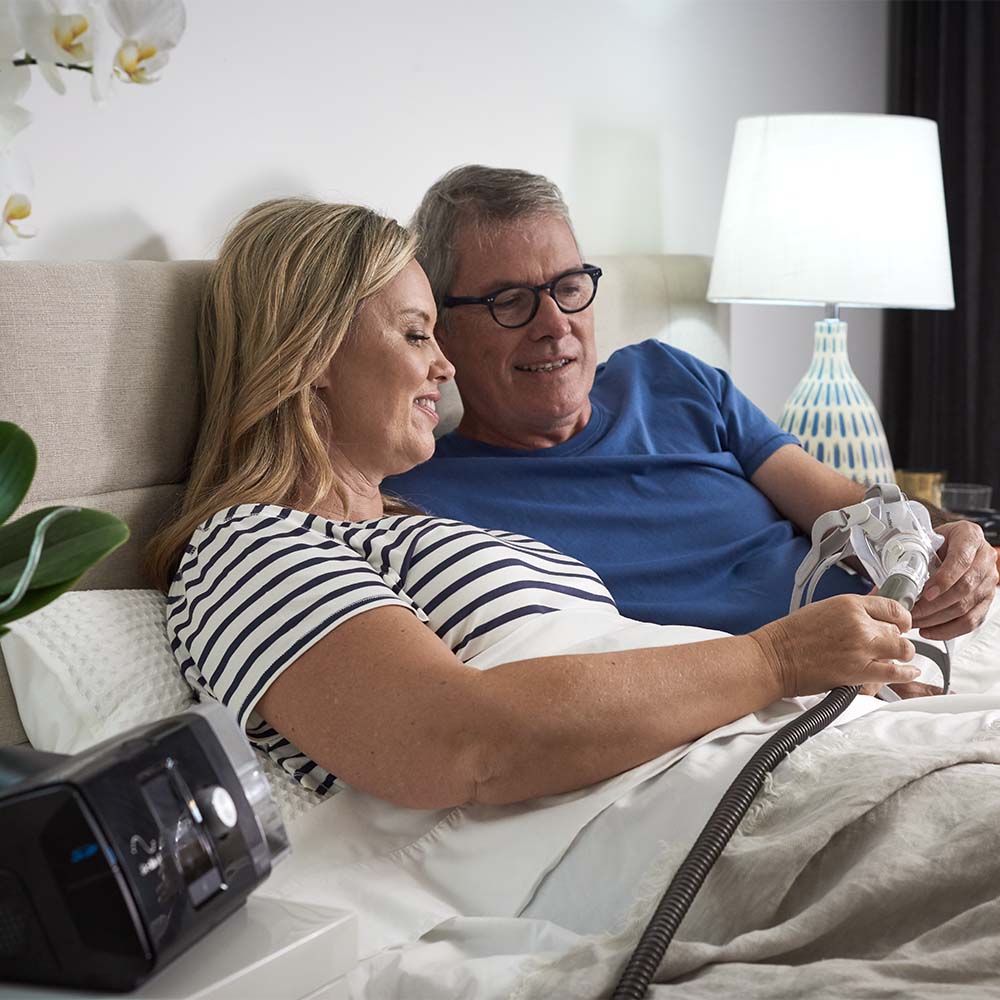
Efforts under way to address condition that adds to fatigue Prevalence of sleep apnea among licensed Commercial Drivers: ■ 17% mild sleep apnea ■ 5% moderate ■ 4% severe Source: Federal Motor Carrier Safety Administration Transportation Risk Managers and Commercial Drivers are grappling with the problem of sleep apnea, a condition that contributes to daytime drowsiness, as they try to find ways to improve safety on the road. According to a Federal Motor Carrier Safety Administration commissioned study, out of 3.4 million licensed Commercial Drivers, approximately 26% of drivers suffering from some form of sleep apnea. Studies have shown that sleep apnea can severely impact driving performance by greatly increasing fatigue, boosting the risk of crashes. Though the commercial trucking industry is aware of the prevalence of sleep apnea among drivers, there still is much to be learned in the way the condition is diagnosed, treated and monitored, experts say. Sleep apnea is a condition in which the airway is constricted due to muscular relaxation while sleeping, with interruptions in breathing lasting several seconds at a time, often accompanied by loud snoring and resulting in non-restful sleep. Individuals considered at risk for sleep apnea are those with a body mass index of 30 or greater and a neck circumference of 17 inches or more, experts say, adding that such people often suffer from additional health problems related to obesity, such as diabetes and heart problems. Many people with sleep apnea don’t even know they have it, researchers say, adding that the sleep disorder often results in daytime sleepiness, which has severe effects on reflexes and cognitive and motor skills. “I promise you there are thousands of Commercial Drivers out there that have some form of sleep apnea,” said Don Osterberg, Vice President of Safety and Driver Training for Green Bay, Wisconsin-based Schneider National Inc. “Many drivers don’t want to talk about it, or are in denial that they have a medical condition, or don’t even know they have it. They are not educated on sleepiness, and they might think that daytime sleepiness is normal to them and they don’t realize it is abnormal.” Mr. Osterberg said at least 17% of drivers at Schneider are afflicted with severe sleep apnea. To deal with the issue, Mr. Osterberg said Schneider recently funded an initiative to help diagnose and treat their drivers as a way to help mitigate health care costs and reduce the crash risk on the road. As a result, Mr. Osterberg said Schneider has seen a “significant reduction” in the frequency and severity of crashes. “Making this a safety priority has paid back dividends,” he said. Drivers who are diagnosed with sleep apnea are required by the FMCSA to be “disqualified until diagnosis of sleep apnea is ruled out or has been treated successfully.”

CPAP tips and troubleshooting

CPAP tips and troubleshooting
Having trouble with your new sleep apnea device? It can take some time to get accustomed to sleeping while wearing a CPAP device. It’s natural to miss sleeping the “old way,” but there are things you can to do make the adjustment easier.
  • Make sure your CPAP device fits correctly. A correct fit makes a huge difference. Make sure the straps are not too tight or too loose and that the mask seals completely over your nose and mouth. Schedule regular appointments with your doctor to check the fit and evaluate your treatment progress.
  • Ease into it. Start by using your CPAP device for short periods during the day. Use the “ramp” setting to gradually increase air pressure. It’s normal to need several months to get used to sleeping this way.
  • Upgrade your CPAP device with customized options. Customize the mask, tubing and straps to find the right fit. Ask your doctor about soft pads to reduce skin irritation, nasal pillows for nose discomfort, and chinstraps to keep your mouth closed and reduce throat irritation.
  • Use a humidifier to decrease dryness and skin irritation. Try a special face moisturizer for dry skin. Many CPAP devices now come with a built-in humidifier.
  • Try a saline nasal spray or a nasal decongestant for nasal congestion.
  • Keep your mask, tubing and headgear clean. To ensure maximum comfort and benefit, replace CPAP and humidifier filters regularly and keep the unit clean.
  • Mask the sound of the CPAP machine. If the sound of the CPAP machine bothers you, place it beneath the bed to reduce the noise. You can also try using a sound machine or white noise machine to help you sleep.

What is central sleep apnea and what causes it?

What is central sleep apnea and what causes it

Central Sleep Apnea (CSA) occurs when the brain fails to send proper signals to the muscles responsible for breathing. This condition is typically seen in infants, particularly those born prematurely, and in adults with underlying conditions such as heart disease, cerebrovascular disorders, or congenital abnormalities. It may also be triggered by certain medications or high-altitude environments.

Central Sleep Apnea in Infants

CSA may affect both premature infants (born before 37 weeks of gestation) and full-term infants. It is defined as apneic episodes lasting longer than 20 seconds, often accompanied by a slowed heart rate, reduced blood oxygen levels, or hypotonia (a generalized relaxation of muscle tone). These infants often require the use of an apnea monitor, which sounds an alarm when an apneic episode occurs.
It is important to note that central sleep apnea in infants is not the same as sudden infant death syndrome (SIDS).

Mechanism of Breathing Control

Under normal circumstances, the brain continuously monitors oxygen and carbon dioxide levels in the blood to regulate breathing. When oxygen levels drop or carbon dioxide levels rise, the brain increases the rate and depth of breathing to correct the imbalance.

In individuals with chronic heart or lung disease, carbon dioxide levels may remain elevated over time. In such cases, the brain becomes desensitized to oxygen levels and relies primarily on carbon dioxide levels to regulate breathing. However, when someone breathes more deeply or rapidly—“blowing off” too much carbon dioxide—the brain slows the respiratory drive. As carbon dioxide builds up again, the brain eventually signals to increase breathing once more.
This delayed response creates a cyclical breathing pattern, known as Cheyne-Stokes respiration, characterized by alternating periods of rapid breathing, slow breathing, and apnea. Although this pattern may occur both during wakefulness and sleep, it tends to be more pronounced and problematic during sleep.
Cheyne-Stokes respiration is particularly common in patients with heart failure, and it is frequently associated with central sleep apnea.

Diagnosis and Treatment

Central sleep apnea is most often seen in adults with underlying medical conditions, and in infants with prematurity or congenital disorders. In both populations, the condition is usually identified by a primary care provider or pediatrician. Diagnosis is confirmed through a sleep study (polysomnography) or continuous overnight monitoring in a hospital setting.

  • In Infants: Treatment typically involves the use of an apnea monitor that uses sensors to detect breathing irregularities and sounds an alarm during apnea events. The alarm not only alerts caregivers but often wakes the infant, resuming normal breathing. Most infants outgrow CSA as they mature, and monitoring can eventually be discontinued. However, those with congenital conditions may require longer-term monitoring.
  • In Adults: Treatment focuses on addressing the underlying cause, such as optimizing management of heart disease, adjusting medications, or mitigating the effects of high altitude. In some cases, specific therapies like adaptive servo-ventilation (ASV) may be used to stabilize breathing patterns during sleep.

Sleep apnoea, sleepiness, inflammation and insulin resistance in middle-aged males and females

Abstract

In obese males obstructive sleep apnoea (OSA) is associated with inflammation and insulin resistance; however, findings are confounded by adipose tissue, a hormone- and cytokine-secreting organ. Our goal was to examine whether in a relatively nonobese population, OSA is associated with sleepiness and inflammation/insulin resistance, and to assess the effects of a 2-month placebo-controlled continuous positive airway pressure (CPAP) use.

77 subjects, 38 middle-aged males and post-menopausal females with OSA and 39 male and female controls, were studied in the sleep laboratory for 4 nights. Measures of sleepiness (objective and subjective), performance, serial 24-h blood samples for interleukin (IL)-6, tumour necrosis factor receptor (TNFR)-1, leptin and adiponectin, and single samples for high-sensitivity C-reactive protein (hsCRP), fasting glucose and insulin levels were obtained.

Apnoeic males were significantly sleepier and had significantly higher hsCRP, IL-6, leptin and insulin resistance than controls. Apnoeic females had significantly higher hsCRP; however, objective sleepiness, IL-6, TNFR-1, insulin resistance (Homeostatic Model Assessment index), leptin and adiponectin were similar to controls. CPAP improved subjective sleepiness, but no changes were observed in any of the biomarkers.

In conclusion, OSA is associated with sleepiness, inflammation and insulin resistance, even in nonobese males, and this association is stronger in males than in females. Short-term CPAP does not improve the inflammatory/metabolic aberrations in OSA.

  Original Article – Sleep Medicine
  • Ilia Kritikou,
  • Maria Basta,
  • Alexandros N. Vgontzas,
  • Slobodanka Pejovic,
  • Duanping Liao,
  • Marina Tsaoussoglou,
  • Edward O. Bixler,
  • Zacharias Stefanakis,
  • and George P. Chrousos
Eur Respir J January 2014 43:145155; published ahead of print April 18, 2013, doi:10.1183/09031936.00126712