Category Archives: Health

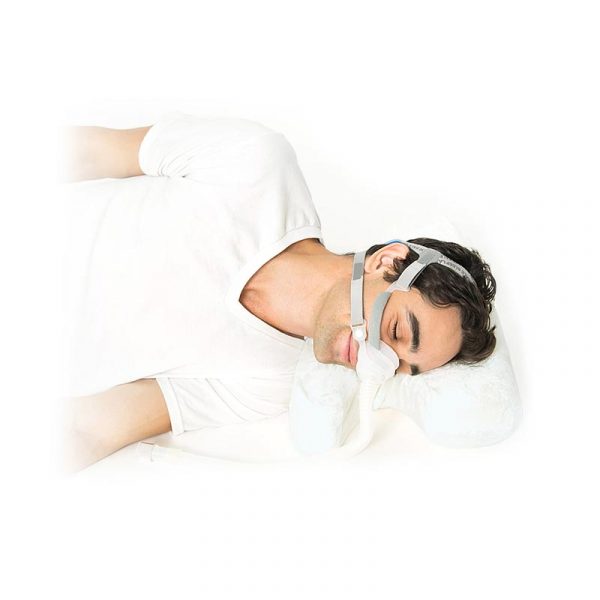
CPAP Pillow, improve your CPAP therapy.

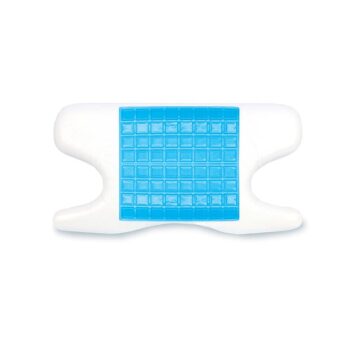
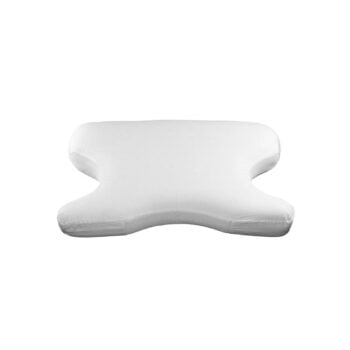
Memory Foam CPAP Pillow with Cooling Gel, Best in Rest

The Relief from symptoms of sleep apnea is immediately and in most cases, user can see the benefit of CPAP therapy the next day, woke up refreshed. For those who want to enhance their experience and comfort, it might be time to consider CPAP Pillow

What is a CPAP Pillow?

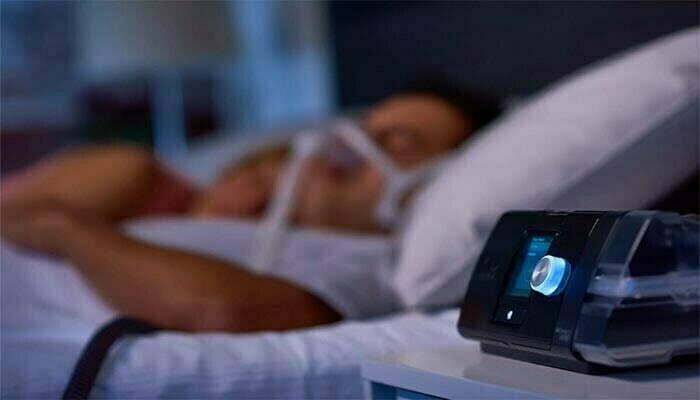
CPAP therapy is one of the most effective and least invasive sleep therapy option with immediate benefit and results in health. The Continuous Positive Air Pressure works by delivering pressurized air to the airways, keeping breathing passage open, thus reducing or fully eliminating apnea events. In order to achieve the CPAP therapy requires CPAP Machine, a CPAP tube and CPAP Mask. For some, sleeping with a CPAP mask connected to a tube can be a challenge. For these patients, a specialized pillow may be the answer.

Note: A “CPAP bed pillow” is shaped for CPAP users. A “CPAP-friendly” pillows are not specially designed for CPAP users

When you start your search for a CPAP pillow, you should consider your own sleep habits. What position do you sleep on, what size pillow do you prefer, and can you easily clean and maintain the pillow? We believe CPAP therapy can be enhanced with this specialized add-on, so give it a try!

Signs of Sleep Apnea

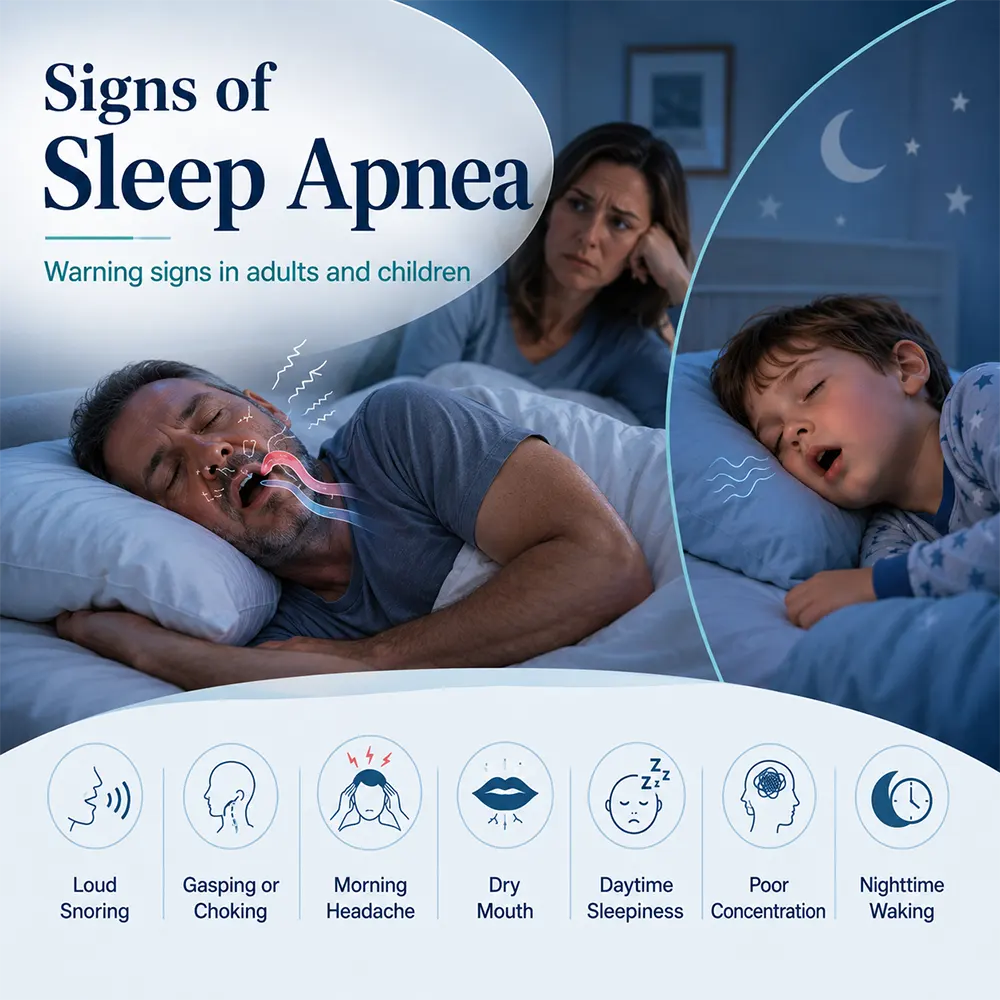
Infographic showing signs of sleep apnea in adults and children

Symptoms You Should Not Ignore

Sleep apnea is more than loud snoring. It is a sleep disorder where breathing repeatedly stops or becomes restricted during sleep. These breathing pauses can reduce sleep quality, lower oxygen levels, and leave you feeling tired even after a full night in bed.

The problem is that many people do not know they have sleep apnea. The most obvious signs often happen while they are asleep, so a partner or family member may notice them first.

Quick Answer: What Are the Main Signs of Sleep Apnea?

The most common signs of sleep apnea include:

  • Loud snoring
  • Pauses in breathing during sleep
  • Waking up gasping or choking
  • Morning headaches
  • Dry mouth or sore throat
  • Daytime tiredness
  • Poor concentration
  • Mood changes or irritability
  • Restless sleep
  • Waking up often during the night

If several of these symptoms sound familiar, it may be time to speak with a doctor or sleep specialist.

Signs of Sleep Apnea in Adults

Sleep apnea in adults is often linked with snoring, tiredness, and breathing interruptions during sleep. However, symptoms can appear in different ways.

Loud Snoring

Loud, regular snoring is one of the most common warning signs. Not everyone who snores has sleep apnea, but snoring combined with choking, gasping, or breathing pauses should not be ignored.

Pauses in Breathing

A partner may notice that breathing stops for short moments during sleep. These pauses are often followed by a gasp, snort, or choking sound.

Waking Up Gasping or Choking

Some people wake suddenly feeling short of breath. This can happen when the airway becomes blocked during sleep.

Morning Headaches

Frequent morning headaches can be connected with poor sleep quality and oxygen changes during the night.

Dry Mouth or Sore Throat

Many people with sleep apnea breathe through the mouth while sleeping. This can cause dry mouth, sore throat, or bad breath in the morning.

Daytime Sleepiness

Sleep apnea prevents deep, restful sleep. As a result, you may feel tired during the day, even if you slept for many hours.

Poor Concentration and Memory

Untreated sleep apnea can affect focus, memory, and daily performance. Many people describe it as “brain fog.”

Mood Changes

Irritability, anxiety, low mood, or lack of motivation may also be connected with poor sleep caused by sleep apnea.

Signs of Sleep Apnea in Children

Sleep apnea can also affect children. In children, the signs are sometimes different from adults.

Common symptoms include:

  • Snoring
  • Mouth breathing
  • Pauses in breathing during sleep
  • Restless sleep
  • Bedwetting
  • Daytime sleepiness
  • Poor attention
  • Learning difficulties
  • Hyperactivity
  • Irritability
  • Poor school performance

Children with sleep apnea may not always look sleepy. Some become more active, restless, or difficult to concentrate.

Signs of Sleep Apnea in Toddlers

In toddlers, sleep apnea can be harder to recognise. Parents should watch for:

  • Noisy breathing during sleep
  • Mouth breathing
  • Snoring
  • Restless sleep
  • Coughing or choking during sleep
  • Heavy sweating at night
  • Frequent waking
  • Slow growth or poor weight gain
  • Irritability during the day

If these signs appear often, it is best to speak with a paediatrician.

When Should You See a Doctor?

You should speak with a healthcare professional if you or your child has loud snoring together with breathing pauses, choking, gasping, or strong daytime tiredness.

A doctor may recommend a sleep test to check breathing, oxygen levels, and sleep quality during the night.

You can also learn more about sleep testing here:

Home Sleep Test with ApneaLink

For professional diagnostic equipment, you can also see:

ApneaLink Air Sleep Screening Device

What Happens If Sleep Apnea Is Confirmed?

If sleep apnea is diagnosed, treatment depends on the severity and the cause. One of the most common treatments for obstructive sleep apnea is CPAP therapy.

CPAP therapy helps keep the airway open during sleep by delivering a steady flow of air through a mask.

You can explore CPAP therapy options here:

CPAP Machines

Popular CPAP options include:

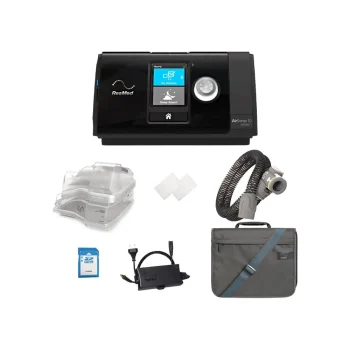
AirSense 10 AutoSet Auto CPAP

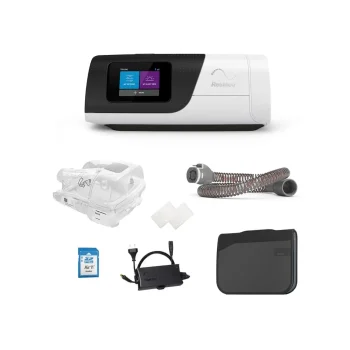
AirSense 11 AutoSet with AirFit F40 Full Face Mask Bundle

Choosing the Right CPAP Mask

The CPAP mask is one of the most important parts of therapy. A poor mask fit can cause air leaks, discomfort, dry mouth, and poor therapy results.

If you breathe through your mouth or have nasal obstruction, a full face or hybrid full face mask may be recommended.

A popular compact option is:

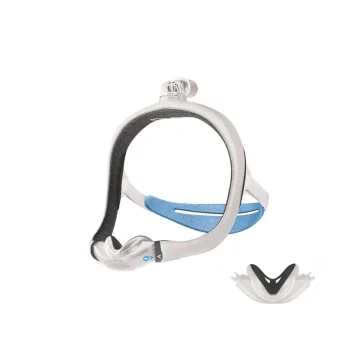
AirFit F40 Mask and Cushion Replacement

You can also read our mask review here:

Resmed AirFit F40 Full Face Mask Review

Dry Mouth During CPAP Therapy

Dry mouth is common in sleep apnea and CPAP therapy, especially when mouth breathing or mask leaks are present.

A heated humidifier and heated tube can improve comfort by adding moisture to the air.

See CPAP humidifier options here:

CPAP Heated Humidifiers

You may also find this guide useful:

How to Avoid Water in CPAP Tubing and Masks

Takeaway

Sleep apnea is not only a snoring problem. It can affect sleep quality, energy, mood, concentration, and long-term health.

The main warning signs are loud snoring, breathing pauses, gasping, choking, morning headaches, dry mouth, and daytime tiredness.

If you notice these symptoms in yourself, your partner, or your child, speak with a healthcare professional and consider a sleep test.

Early diagnosis can make treatment easier and improve daily energy, sleep quality, and overall health.

FAQ

Can you have sleep apnea without snoring?

Yes. Snoring is common in obstructive sleep apnea, but some people may have sleep apnea without loud snoring.

Is waking up tired a sign of sleep apnea?

Yes. Feeling tired after a full night of sleep can be a sign that your sleep is being interrupted by breathing problems.

Can children have sleep apnea?

Yes. Children can have sleep apnea. Signs may include snoring, mouth breathing, restless sleep, poor attention, hyperactivity, or learning difficulties.

Does CPAP cure sleep apnea?

CPAP does not usually cure sleep apnea, but it helps control it by keeping the airway open during sleep.

What is the best first step if I think I have sleep apnea?

The best first step is to speak with a doctor or sleep specialist. They may recommend a sleep test to confirm the diagnosis.


Medical Disclaimer: This article is for general educational purposes only and does not replace professional medical advice, diagnosis, or treatment. If you suspect sleep apnea, please consult a qualified healthcare professional.


Sleep Apnea Test which is Right for You?

Sleep Apnea Test which is Right for You?

What is Sleep apnea, is a common condition that causes you to stop breathing for short intervals while you sleep. If left untreated, it can have significant health effects over the long term.

If your doctor thinks you may have sleep apnea, you’ll likely undergo a nighttime sleep test that monitors your breathing.

Let’s take a closer look at the test options that are available for diagnosing sleep apnea.

How is sleep apnea diagnosed?

To diagnose sleep apnea, your doctor will first ask you about your symptoms.

Your doctor may ask you to complete one or more questionnaires to evaluate symptoms like daytime sleepiness as well as risk factors for the condition, such as high blood pressure, obesity, and age.

If your doctor suspects sleep apnea, they may recommend a sleep monitoring test. Also called a sleep study or polysomnography (PSG), it involves spending the night at a lab, clinic, or hospital. Your breathing and other vital signs will be monitored while you sleep.

It’s also possible to monitor your sleep in your own home. Your doctor might suggest at-home sleep monitoring if your symptoms and risk factors strongly suggest sleep apnea.


In-lab sleep study

In-lab sleep studies are used to diagnose sleep apnea, along with a wide range of other sleep disorders.

Many sleep studies generally take place between 10 p.m. and 6 a.m. If you’re a night owl or morning lark, this time frame may not be optimal. An at-home test may be recommended instead.

You’ll stay in a private room designed to make you feel comfortable, much like a hotel room. Bring pajamas and anything else you usually need to sleep.

Sleep studies are noninvasive. You don’t need to give a blood sample. However, you’ll have a variety of wires attached to your body. This enables the sleep technician to monitor your breathing, brain activity, and other vital signs while you’re asleep.

The more relaxed you are, the better the technician can monitor your sleep.

Once you fall asleep, the technician will monitor the following:

  • your sleep cycle, as determined by your brain waves and eye movements
  • your heart rate and blood pressure
  • your breathing, including oxygen levels, breathing lapses, and snoring
  • your position and any limb movements

There are two formats for sleep studies: full night and split night.

During a full-night sleep study, your sleep will be monitored for an entire night. If you receive a diagnosis of sleep apnea, you may need to return to the lab at a later date to set up a device to help you breathe.

During a split-night study, the first half of the night is used to monitor your sleep. If sleep apnea is diagnosed, the second part of the night is used to set up the treatment device.

Pros and cons of an in-lab sleep study 

In-lab sleep tests have advantages and disadvantages. Talk to your doctor about your test preference.

Pros

  • Most accurate test available. An in-lab sleep test is considered the gold standard of diagnostic testing for sleep apnea.
  • Option to do a split-night study. Split-night studies allow for diagnosis and treatment in a single night, unlike both full-night and at-home tests.
  • Best test for certain types of work. People who pose a serious risk to themselves or others if they fall asleep on the job should participate in an in-lab sleep study to ensure an accurate diagnosis. This includes people who work as taxi, bus, or ride-share drivers, as well as pilots and police officers.
  • Best option for people with other sleep disorders or complications. In-lab monitoring is more suitable for people with other health conditions, including sleep disorders and heart and lung diseases.

Cons

  • Costlier than an at-home test. In-lab tests cost upward of $1,000. If you have insurance, your provider may cover some or all of the cost, but not all providers cover this test. Some providers require the results of an at-home test before you can take an in-lab test.
  • Less accessible. In-lab studies require transportation to and from a sleep lab. Depending on where you live, this may be time-consuming or costly.
  • Longer wait times. Depending on where you live and the demand for this kind of test, you may have to wait several weeks or even months to take the test.
  • Less convenient. Taking an in-lab sleep test is more likely to disrupt your work schedule or interfere with your daily routine and responsibilities.
  • Set sleep study hours. Many sleep studies take place between 10 p.m. and 6 a.m. If you have a different sleep schedule, an at-home test may be a better option.

At-home sleep test

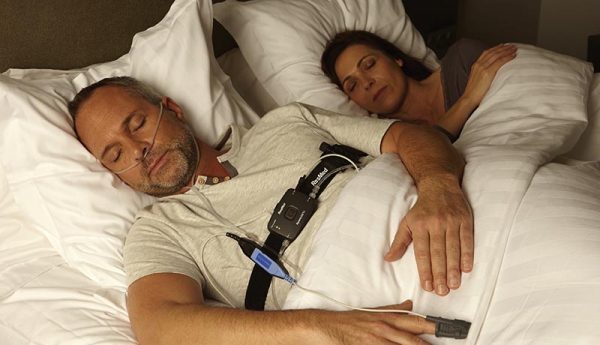
An at-home sleep test is a simplified version of an in-lab test. There’s no technician. Instead, your doctor will prescribe a portable breathing monitor kit that you’ll take home.

On the night of the test, you can follow your regular bedtime routine. Pay special attention to the instructions provided with the kit to ensure you correctly hook up the monitoring sensors.

Most at-home sleep apnea monitors are easy to set up. They generally include the following components:

  • a finger clip that measures your oxygen levels and heart rate
  • a nasal cannula to measure oxygen and airflow
  • sensors to track the rise and fall of your chest

Unlike an in-lab test, an at-home test doesn’t measure your sleep cycles or position or limb movements during the night.

Following the test, your results will be sent to your doctor. They’ll contact you to discuss the results and identify treatment, if necessary.

Pros and cons of an at-home sleep test 

At-home sleep tests have advantages and disadvantages. Talk to your doctor about your test preference.

Pros

  • More convenient. At-home tests are more convenient than in-lab tests. You can follow your nightly routine, which might actually provide a more accurate reading of how you breathe when you’re sleeping than in-lab testing.
  • Less costly. At-home tests are approximately 21 percent Trusted Source of the cost of an in-lab test. Insurance is more likely to cover it, too.
  • More accessible. At-home tests may be a more realistic option for people who live far from a sleep center. If necessary, the monitor can even be sent to you in the mail.
  • Faster results. As soon as you have the portable breathing monitor, you can do the test. This may lead to faster results than an in-lab test.

Cons

  • Less accurate. Without a technician present, test errors are more likely. At-home tests don’t reliably detect all cases of sleep apnea. This can be potentially dangerous if you have a high-risk job or another health condition.
  • May lead to an in-lab sleep study. Whether your results are positive or negative, your doctor might still suggest an in-lab sleep test. And if you receive a sleep apnea diagnosis, you might still need to spend a night in the lab to have a therapeutic device fitted.
  • Doesn’t test for other sleep problems. At-home tests only measure breathing, heart rate, and oxygen levels. Other common sleep disorders, such as narcolepsy, can’t be detected from this test.

Test results

A doctor or sleep specialist will interpret the results of your in-lab or at-home sleep apnea test.

Doctors use a scale called the Apnea Hypopnea Index (AHI) to diagnose sleep apnea. This scale includes a measurement of the number of apneas, or lapses in breath, per hour of sleep during the study.

People who don’t have sleep apnea, or have a mild form of sleep apnea, usually experience less than five apneas per hour. People who have severe sleep apnea may experience more than 30 sleep apneas per hour.

Doctors also review your oxygen levels when diagnosing sleep apnea. While there’s no accepted cutoff level for sleep apnea, if your blood oxygen levels are lower than average, it may be a sign of sleep apnea.

If the results are unclear, your doctor may recommend repeating the test. If sleep apnea isn’t found but your symptoms continue, your doctor may recommend another test.

Treatment options

Treatment depends on the severity of your sleep apnea. In some cases, lifestyle changes are all that’s required. These may include:

  • losing weight
  • using a special sleep apnea pillow
  • changing your sleep position

There are a number of effective medical treatment options for sleep apnea. These include:

  • Continuous positive airway pressure (CPAP). The most common and effective device for treating sleep apnea is a machine called a CPAP. With this device, a small mask is used to increase the pressure in your airways.
  • Oral appliances. A dental device that pushes your lower jaw forward can prevent your throat from closing while you breathe. These may be effective in mild to moderate cases of sleep apnea.
  • Nasal device. A small bandage-like device called Provent Sleep Apnea Therapy has been shown to be effective Trusted Source with some cases of mild to moderate sleep apnea. It’s placed just inside the nostrils and creates pressure that helps keep your airways open.
  • Oxygen delivery. Sometimes, oxygen is prescribed alongside a CPAP device to increase blood oxygen levels.
  • Surgery. When other treatments aren’t effective, surgery might be an option to alter the structure of your airways. There is a wide range of surgical options that can treat sleep apnea.

The bottom line 

Both in-lab and at-home sleep apnea tests measure vital functions, such as breathing patterns, heart rate, and oxygen levels. The results of these tests can help your doctor determine whether you have sleep apnea.

Polysomnography (PSG) conducted in a lab is the most accurate test available to diagnose sleep apnea. At-home sleep apnea tests have reasonable accuracy. They’re also more cost-effective and convenient.

Disclaimer: This blog post provides a general overview of medical conditions and potential treatments. It is not intended as medical advice. For personalized medical guidance, please consult your healthcare professional.
I’m having trouble getting used to my mask and device. What can I do?

Adjusting to therapy can be challenging and frustrating, and it can often take several weeks before you feel like you’ve gotten everything exactly right. Here are a few tips to help you adjust when you first receive your mask and device.

How to get used to your mask

One tip is to first try using the mask while you’re sitting down watching TV or reading, either during the day or at night before you go to bed, to get used to the feeling of having something on your face. Another recommendation is to hold the mask to your face, without the headgear, and turn the device on. Once you are able to breathe easily, put the headgear on and keep breathing against the pressure.

Adjusting to your mask if you have claustrophobia

If you are claustrophobic, or if you just don’t like things on your face, you may want to try a nasal mask or a nasal pillow instead of a full face mask. These are smaller and don’t cover as much of your face as a full face mask does. Your doctor or medical supplier can help you determine if either of these is a viable option for you.

Remember, there isn’t one right way for everyone, so try a few different methods to see what works best for you.

Disclaimer: This blog post provides a general overview of medical conditions and potential treatments. It is not intended as medical advice. For personalized medical guidance, please consult your healthcare professional.

Why is sleep important?

Why is sleep important?

To understand why sleep is important, think of your body like a factory that performs a number of important functions. As you drift off to sleep, your body begins its night-shift work of recharging.

Learn more about sleep benefits, recommendations and our top sleep tips.

What are the benefits of sleep?

Sleeping helps you stay healthy because it gives your body the chance to:

  • Heal damaged cells
  • Recover from the day’s activities
  • Boost your immune system
  • Recharge your cardiovascular system

How much sleep do I need?

What’s considered to be a healthy night’s sleep varies by age.

Top questions about sleep answered

What are the four stages of sleep?

REM stands for rapid eye movement and NREM stands for non-rapid eye movement. NREM sleep comes first, followed by REM sleep. Then the cycle starts again.
The first three of the four phases are part of your NREM sleep. They can last between 5 and 15 minutes.
Non-REM sleep
Stage 1: This is when your eyes are closed but it’s still easy to wake you up.
Stage 2: This is when you’re in a light sleep. As you prepare for deep sleep, your heart rate slows down and your body temperature drops.
REM sleep
Stage 3& 4: REM sleep typically occurs 90 minutes into your sleep and is the stage of sleep when you dream. Your brain is more active and your heart rate and breathing quicken. Adults can spend about 20% of their sleep in the REM stage while babies can spend about 50% of their sleep in this stage.

What’s the most important phase of sleep?

Both REM (rapid eye movement) and NREM (non-rapid eye movement) serve as important phases in sleep and for different functions in your body.
REM sleep, which is when dreaming occurs, helps our mind process emotions and memories. It is vital for stimulating the brain for learning.
NREM makes up 75-80% of total sleep each night. Many of the health benefits of sleep take place during NREM like tissue growth and repair. Also, energy is restored and hormones important for growth and development are released.

What happens when you’re sleep deprived?

When you don’t get the sleep you need, you might find yourself:
Feeling drowsy, irritable and sometimes depressed
Struggling to concentrate and make decisions at work
Craving more unhealthy foods, which could cause weight gain

I always feel tired. Should I be worried?

If you’ve been practicing good sleep habits and think you’re sleeping well but still feel extra tired in the morning, then you may have a sleep disorder like sleep apnea. Any problems with your sleep should be discussed with your doctor who may recommend you take a sleep test.

Four tips to help you get a good night’s sleep

It’s more than just getting to bed at a good time.

  1. Plan enough time for sleep. Once you know what time you need to get to bed, plan the rest of your schedule around it.
  2. Create consistent sleep habits. Follow a pre-sleep ritual for going to bed and waking up at the same time.
  3. Create a comfortable sleep environment. Make sure your bedroom is cool, quiet and comfortable – especially your bed and pillow.
  4. Turn it off before bed. Watching television, reading, emailing and texting can ramp up your brain activity rather than relax it. Give yourself time to unplug.

Fun sleep facts

Adults sleep less than they should

75% of adults studied sleep less than the minimum of seven hours recommended by the American Academy of Sleep Medicine.

Women sleep longer than men

Men sleep for an average of 5 hours, 46 minutes, while women average 6 hours, 11 minutes.

Exercise is good for sleep

Any amount is helpful, but the optimal amount is 30 minutes, which leads to 14 minutes of extra sleep per night.

Caffeine consumption

Three or fewer cups of coffee don’t notably affect sleep time, but four cups or more leads to 26 fewer minutes of sleep.

Mattresses matter

Mattress selection appears to make an average of 20 minutes difference of sleep per night.

Disclaimer: This blog post provides a general overview of medical conditions and potential treatments. It is not intended as medical advice. For personalized medical guidance, please consult your healthcare professional.
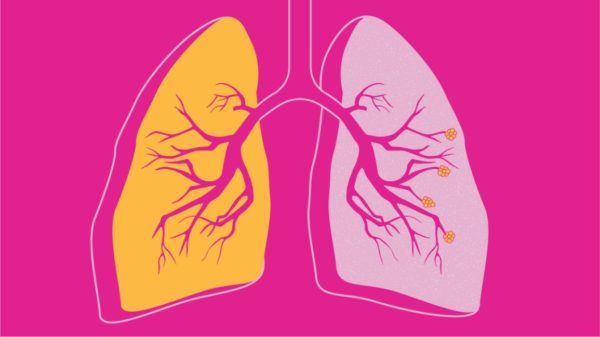
COVID-19 and COPD Patients

COVID-19 and COPD Patients

COVID-19, short for coronavirus disease 2019, is an infection caused by severe acute respiratory syndrome coronavirus 2 (SARS-CoV-2). SARS-CoV-2 is a newly identified pathogen that has not previously been seen in humans and is highly contagious. Though it belongs to the same category of viruses as SARS coronavirus (SARS-CoV) and influenza viruses, SARS-CoV-2 is a different strain with its own characteristics.

COVID-19 was first reported in Wuhan, China, in December 2019, and the outbreak has spread quickly across the world, prompting the World Health Organization (WHO) to declare COVID-19 a pandemic.

How does COVID-19 spread?

Because COVID-19 is a new virus, nobody has prior immunity to it, meaning the entire human population is prone to infection.

It primarily spreads via respiratory droplets when people cough or sneeze. Scientists have yet to understand how easily and sustainably the disease can spread among people. Based on available evidence, researchers do not think the airborne spread is a major transmission route.

Individuals over age 60 are at the highest risk of developing a severe case of COVID-19, while children do not seem to be at a higher risk than adults.

There are currently no reports about how susceptible pregnant women may be to COVID-19 or about the transmission of the virus through breast milk.

What are the symptoms of COVID-19?

Common symptoms of COVID-19 begin two to 14 days after exposure. They include fever, tiredness, and dry cough. Other symptoms include sputum production, shortness of breath, sore throat, headache, myalgia (muscle pain) or arthralgia (joint pain), chills, vomiting, and nasal congestion. Less frequent symptoms include diarrhoea, hemoptysis (coughing up blood from the respiratory tract), and conjunctival congestion.

Most of these symptoms are usually mild, and about 80% of people who get the virus will typically recover without needing any special treatment. However, about 1 in 6 patients become seriously ill and develop breathing difficulties.

What general preventive measures should people take?

The following simple preventive measures can help minimize the spread of COVID-19:

Wash your hands often with soap, lathering both the front and the back of the hands and fingers for at least 15 to 20 seconds. If soap is not available, use a hand sanitizer that contains at least 60% alcohol. The European Centre for Disease Prevention and Control produced a poster detailing effective handwashing.

Avoid close contact with someone who is ill. (Maintain a distance of at least 1.8 meters). Stay at home if you are sick. Use a tissue to cover your mouth and nose if you cough or sneeze and dispose of it properly afterwards.

Disinfect surfaces and objects you touch frequently. Avoid touching your eyes, nose, and mouth with unwashed hands.

The U.S. Centers for Disease Control (CDC) does not recommend that healthy people wear a face mask.

What extra precautions should COPD patients take?

Patients with chronic obstructive pulmonary disease (COPD) should take appropriate preventive measures as they are at a higher risk of having a more severe infection than others.

In addition to the general preventive measures listed above patients should:

  • Stock up on necessary medications and supplies that can last for a few weeks.
  • Avoid crowds and non-essential travel.
  • Stay at home as much as possible.

Most patients with respiratory diseases will recover from COVID-19. If symptoms of a viral infection appear and patients have travelled to a high-risk area in the past 40 days, they should self-isolate at home for 14 days. They should maintain their daily care regimens and speak to their healthcare providers for any specific queries about their personal health.

Advice for family members and caregivers

Family members and caregivers of people with chronic diseases should take appropriate precautions and take extra care to avoid bringing COVID-19 home. They should constantly monitor patients and stock medicines and other necessary supplies that can last for several weeks. Storing extra non-perishable food can help minimize trips to the grocery store.

People who show symptoms of COVID-19 should avoid visiting their family members until the self-isolation period is complete.

What should sick individuals do?

If symptoms are present and a COVID-19 diagnosis is confirmed, patients should follow these steps to prevent the spread of the infection:

  • Stay at home, preferably in a separate room not shared with others, and isolate themselves, with the exception of getting medical care.
  • Avoid public areas and public transport.
  • Limit contact with pets and animals.
  • Avoid sharing personal items.
  • Cover coughs and sneezes with tissues and dispose of them properly.
  • Sanitize hands regularly. 
  • Disinfect surfaces such as phones, keyboards, toilets, and tables.

People should call ahead before visiting the hospital for an appointment. This way, the hospital can take necessary steps to prevent the spread of the infection.

Patients who have confirmed COVID-19 should wear face masks when going out. The WHO’s website has a resource explaining the proper use of a face mask. 

What tests are available?  

The CDC has developed a diagnostic panel that is available to CDC-qualified laboratories in the U.S. Food and Drug Administration (FDA) has not approved this test but has made it available under a special emergency use authorization.

Apart from the tests that the CDC made available, researchers are continuously developing new tests. One such recently available test is the Cobas SARS-CoV-2 test that Roche Diagnostics developed. The FDA issued an emergency use authorization to the Cobas test too. The U.S. Department of Health and Human Services (HHS) is funding the development of two other diagnostic tests that can detect the presence of SARS-CoV-2 within one hour.

Samples for initial diagnostic testing include swabs from the upper respiratory tract such as the nose and throat and, if obtainable, from the lower respiratory tract such as the sputum.

A positive test result means infection with SARS-CoV-2 is confirmed. In such a situation, doctors place the patient under isolation. While a negative test indicates the absence of the virus, there is still a likelihood of false negatives, especially in the early stages of infection, where the number of viruses is too low to be detectable. A negative test in a person who clearly shows COVID-19-like symptoms mostly indicates that SARS-CoV-2 is not the cause of his or her illness.

Is there a treatment?

There are currently no vaccines available for human coronaviruses including COVID-19. This makes the prevention and containment of the virus very important.

Oxygen therapy is the major treatment intervention for patients with severe disease. Mechanical ventilation may be necessary in cases of respiratory failure.

Are there new treatments being developed?

The first clinical trial of a possible treatment for COVID-19 has begun in the U.S. The National Institute of Allergy and Infectious Diseases is sponsoring a randomized, controlled Phase 2 trial to evaluate the safety and efficacy of the broad-spectrum anti-viral treatment redeliver by Gilead Sciences to treat the disease.

Other treatments being investigated for COVID-19 include a novel mRNA-1273 nanoparticle-encapsulated vaccine (NCT04283461), thalidomide (NCT04273581), sildenafil (NCT04304313), eculizumab (NCT04288713), recombinant human interferon-alpha 1 beta (NCT04293887), bevacizumab (NCT04305106), and antibodies from cured patients (NCT04264858), among others.

A complete list of all ongoing clinical trials pertaining to COVID-19 is available here.

Researchers are also looking at new synthetic biology approaches by using self-assembling nanoparticles coated with viral antigens that can precisely target SARS-CoV-2. This approach can potentially overcome some of the limitations of conventional vaccines such as short shelf-life and viral evolution.

CPAPstore.eu provides strictly news and information website about the disease. It does not provide medical advice, diagnosis, or treatment. This content is not intended to be a substitute for professional medical advice, diagnosis, or treatment. Always seek the advice of your physician or another qualified health provider with any questions you may have regarding a medical condition. Never disregard professional medical advice or delay in seeking it because of something you have read on this website.

source: https://copdnewstoday.com/information-about-covid-19-for-copd-patients/

Coronavirus FAQs: CPAP tips for sleep apnea patients

Coronavirus FAQs CPAP tips for sleep apnea patients

The American Academy of Sleep Medicine (AASM) Public Safety Committee is responding to frequently asked questions (FAQs) about the coronavirus (COVID-19). The following questions were submitted by patients who have obstructive sleep apnea. 

The AASM encourages you to follow the CDC tips on how to prepare for the coronavirus. The information below is for educational use only. The AASM is unable to provide specific medical advice. You should discuss your health and medical condition with a local medical provider.

View additional COVID-19 FAQs from ResMed.

Do I have a higher risk of getting coronavirus because I have sleep apnea?

It is unclear if sleep apnea causes you to have a higher risk of getting the coronavirus. People who do have a higher risk of the coronavirus include:

  • Older adults
  • Those who have serious medical disorders. These disorders include
    • Heart disease
    • Diabetes
    • Lung disease
    • Kidney disease
  • Those who have a medical disorder, or take a medication, that weakens the immune system. 
  • Those who have had close contact with another person who has the coronavirus. 

If I have symptoms of the coronavirus, should I continue using my CPAP?

If you have the coronavirus, it is important to talk to your medical provider before stopping any medical treatments. It is possible that using CPAP could increase the risk of spreading the virus to others around you. Be sure to talk to your medical provider about this risk.

If you are sick with the coronavirus, you should follow current CDC recommendations:

  • Stay home except to get medical care. 
  • Separate yourself from other people in your home. 
  • Stay in a specific “sick room.” 
  • Use a separate bathroom, if one is available.
  • Call ahead before visiting your doctor.
  • Wear a facemask when you are around other people.
  • Cover your coughs and sneezes with a tissue.
  • Wash your hands often with soap and water.
  • Avoid sharing dishes, glasses or utensils with others.
  • Clean and disinfect frequently touched surfaces in your “sick room” every day. 
  • Seek medical care if your illness gets worse. (But call your doctor first.) 

If I have the coronavirus, will my CPAP be helpful for my breathing? Or could CPAP cause the coronavirus to get worse?

It is unclear whether CPAP could make the coronavirus worse. But using CPAP could increase the risk of spreading the virus to others around you. Talk to your medical provider about your treatment options for sleep apnea.

If I have the coronavirus, how should I clean and disinfect my CPAP mask and hose?

The CDC recommends that you should clean and disinfect your medical equipment according to the manufacturer’s instructions.* The directions for CPAP masks and hoses normally include regular cleaning with soap and water. It is unclear if extra CPAP cleaning is needed due to the coronavirus. The CDC also recommends that you clean and disinfect frequently touched surfaces in your household. This includes doorknobs, light switches and handles. Learn more from the CDC about how to clean and disinfect your household.

Real-Time Map of Coronavirus COVID-19 global cases by Johns Hopkins University

Source: American Academy of Sleep Medicine, Center of Disease Control and Prevention, ResMed

Disclaimer: This blog post provides a general overview of medical conditions and potential treatments. It is not intended as medical advice. For personalized medical guidance, please consult your healthcare professional.

What are BiLevel Machines and intended to use

What are BiLevel Machines and intended to use

BiLevel also knows as BPAP, BiPAP, VPAP.

Some medical problems can make it hard for you to breathe. In these cases, you might benefit from bilevel positive airway pressure. It is commonly known as “BiPAP” or “BPAP.” It is a type of ventilator—a device that helps with breathing.

During normal breathing, your lungs expand when you breathe in. This is caused by the diaphragm, which is the main muscle of breathing in your chest, going in a downward direction. This causes the pressure to drop inside the tubes and sacs of your lungs. This decrease in pressure sucks air into your lungs. They fill with oxygenated air.

If you have trouble breathing, a BiPAP machine can help push air into your lungs. You wear a mask or nasal plugs that are connected to the ventilator. The machine supplies pressurized air into your airways. It is called “positive pressure ventilation” because the device helps open your lungs with this air pressure.

BiPAP is only one type of positive pressure ventilator. While using BiPAP, you receive positive air pressure when you breathe in and when you breathe out. But you receive higher air pressure when you breathe in. This setting is different from other types of ventilators. For instance, continuous positive airway pressure (CPAP) delivers the same amount of pressure as you breathe in and out. Different medical problems may respond better to BiPAP versus CPAP.

Why might I need to use BiPAP?

BiPAP may help you if you have a medical problem that impairs your breathing. For example, you might need BiPAP if you have any of the following:

  • Chronic obstructive pulmonary disorder (COPD)
  • Obstructive sleep apnea
  • Obesity hypoventilation syndrome
  • Pneumonia
  • Asthma flare-up
  • Poor breathing after an operation
  • Neurological disease that disturbs breathing

BiPAP may not be a good option if your breathing is very poor. It may also not be right for you if you have reduced consciousness or problems swallowing. BiPAP may not help enough in these situations. Instead, you may need a ventilator with a mechanical tube that is inserted down your throat. Or you may benefit from a tracheostomy—a procedure that creates an airway in your windpipe.

In some cases, people can move off such ventilator support to BiPAP as their breathing improves. People who do not want a breathing tube but want some assistance with breathing may also use BiPAP.

What are the risks for BiPAP use?

BiPAP is usually very safe. It has a lower risk of complications, such as infection, compared with ventilator support like a tracheostomy. Most problems from BiPAP involve the facemask. It may fit too tightly. Some other risks include:

  • Local skin damage from the mask
  • Mild stomach bloating
  • Dry mouth
  • Leaking from the mask, causing less pressure to be delivered
  • Eye irritation
  • Sinus pain or sinus congestion

Your own risks may differ depending on your age, the amount of time you need BiPAP, and your medical problems. Talk with your Doctor-physician about any concerns.

How do I prepare for BiPAP use?

You should be familiar with the parts of your BiPAP machine. They include:

  • A face mask, nasal mask, or nasal plugs
  • The machine’s motor, which blows air into a tube
  • The tubing that connects the machine’s motor to the mask or plugs

Your BiPAP machine might also have other features, such as a heated humidifier.

If you are buying a BiPAP machine for home use, you may want to talk with a professional who sells home medical equipment. This person can help you pick the type of BiPAP machine best suited to your needs. He or she can also give you instructions about how and when to clean the masks, tubing, and other parts of the machine.

You might want to try several types of masks before deciding on the one you like best. If your mask feels tight, you may need to have it refitted.

Before you start BiPAP therapy, your machine may need to be calibrated. Someone from your medical team will adjust the settings. That person is often a respiratory therapist. The settings need to be correct so that you receive the appropriate therapy. You may also get other instructions on how to prepare for your BiPAP therapy.

What happens during BiPAP use?

You might receive BiPAP therapy while at the hospital for a breathing emergency. You also might use it at home for a chronic condition.

Follow your Doctor-physician instructions about when to use BiPAP. You might need to use it only while you sleep. Or you might need to use it all the time. You will not receive the full benefits from your BiPAP therapy if you don’t use it as directed.

When you first start using BiPAP, you may feel uncomfortable. It may feel odd wearing a mask and feeling the flow of air. Over time, you should get used to it. If you feel like you really can’t breathe while using BiPAP, talk with your Doctor-physician. He or she may need to adjust the pressure settings on your machine.

It’s important not to eat or drink anything while using BiPAP. You might inhale food or liquid into your lungs if you do so.

The noise from most BiPAP machines is soft and rhythmic. If it bothers you, try using earplugs. If the device is very loud, check with the medical supplier to make sure it is working correctly.

Talk with your Doctor-physician if you are having any symptoms or problems while using BiPAP. He or she can help you figure out how to address them. Here are some general tips:

  • A humidifier may help reduce nasal dryness. Using a facial mask instead of a nasal mask may also help lessen any eye or sinus symptoms. If you get headaches, they could be due to sinus congestion. In some cases, your Doctor-physician might prescribe an antihistamine for these symptoms.
  • If you have a leaky mask, skin irritation, or pressure lines, you may need a different size or type of mask. You may also find that adjusting the straps around your mask helps.
  • Your Doctor-physician may be able to help you avoid stomach bloating by reducing the pressure setting on your machine.

Disclaimer: This blog post provides a general overview of medical conditions and potential treatments. It is not intended as medical advice. For personalized medical guidance, please consult your healthcare professional.

COPD symptoms, stages and treatment options

COPD symptoms can start out subtle and may take years to develop. By the time the signs and symptoms are apparent, your lungs are already significantly damaged. It’s very important to discuss any symptoms you have with your doctor right away.

What are the early signs and symptoms of COPD?

Feeling tired or exhausted

Shortness of breath, especially when you’re being physically active

A persistent cough that lasts for months

Other signs and symptoms of COPD

As COPD progresses, you may notice other signs such as:

  • A tight feeling in your chest
  • Excessive mucus
  • Frequent respiratory infections
  • Wheezing

Are you at risk for COPD?

COPD develops slowly and becomes worse over time. If you have risk factors such as long-term exposure to smoke (both first- and secondhand); exposure to chemicals, vapours and dust; or have been diagnosed with alpha-1 antitrypsin deficiency, talk to your doctor about any symptoms you may have, Check the post for COPD Definition and Diagnosis.

Understanding the four COPD stages

Stage 1:
Early COPD

You occasionally have shortness of breath, coughing and mucus.

Stage 2:
Moderate COPD

You notice your airflow is getting worse, and being physically active often leads to shortness of breath.

Stage 3:
Severe COPD

Your symptoms are more frequent and worsening. Breathing is increasingly challenging, you’re coughing a lot and normal exercise isn’t possible anymore.

Stage 4:
Very severe COPD

The severity of your symptoms is significantly affecting your ability to breathe. Your lifestyle and mobility are very limited.

How COPD stages are diagnosed

Your doctor will be able to determine what COPD stage you’re in and what to expect from your treatment based on the ratio of your forced vital capacity (FVC) and your forced expiratory volume (FEV1).

  • FVC is the measure of how much air you can forcefully push out of your lungs after taking a breath.
  • FEV is the measure of how much of that air is exhaled in one second of your FVC test.

COPD treatment options

There is no cure for COPD at the moment, but the good news is there are treatments available to help you manage your COPD. Treatments may include:

  • Quit smoking: If you smoke, quitting is the first step to slowing the progression of the disease.
  • Medications: These can help you manage your symptoms and help prevent your condition from getting worse.
  • Pulmonary rehabilitation: This program combines exercise and education about COPD, and will also help you manage your symptoms.
  • Eating a healthy diet: Eating a healthy diet can improve your overall health. If you are overweight, weight loss may help make breathing easier.
  • Surgery: In some cases, surgery may be an option when medications aren’t sufficiently managing symptoms.
  • Oxygen therapy: Supplemental oxygen may be prescribed if there isn’t enough oxygen in your blood.
  • Non-invasive ventilation (NIV): NIV machines help reduce the effort needed to breathe by pushing pressurized air through a mask or mouthpiece.

COPD Definition and Diagnosis

COPD Definition and Diagnosis

Chronic Obstructive Pulmonary Disease (COPD) is a long-term, progressive lung disease that makes it hard to breathe. It is a major cause of disability and a leading cause of death worldwide, affecting millions of people each year. Understanding COPD’s definition, its causes, symptoms, and diagnosis processes can empower individuals to seek timely medical attention and manage the condition effectively.

Definition

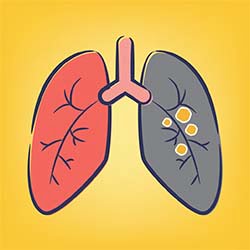
COPD is not a single disease but a term used to describe a group of lung conditions that cause breathing difficulties, including emphysema and chronic bronchitis:

  • Emphysema involves damage to the alveoli (air sacs) in the lungs, making it hard for the lungs to exchange oxygen and carbon dioxide.
  • Chronic Bronchitis is characterized by long-term inflammation of the bronchial tubes, which leads to increased production of mucus, coughing, and difficulty breathing.

These conditions limit airflow in and out of the lungs, making it difficult to breathe. The obstruction is usually progressive, meaning it worsens over time, especially if exposure to the cause, such as smoking, continues.

Causes

The primary cause of COPD is long-term exposure to substances that irritate and damage the lungs. This includes:

  • Tobacco Smoke: The leading cause of COPD in developed countries. People who smoke or have a history of smoking are at high risk.
  • Air Pollution: Exposure to indoor and outdoor air pollution can contribute to developing COPD.
  • Occupational Dust and Chemicals: Long-term exposure to dust, chemicals, and fumes in the workplace can lead to COPD.
  • Genetic Factors: A deficiency in a protein called alpha-1 antitrypsin can cause COPD. This condition is less common but can affect individuals at a younger age.

Symptoms

COPD symptoms often don’t appear until significant lung damage has occurred, and they usually worsen over time. Common symptoms include:

  • Persistent cough, often referred to as a “smoker’s cough”
  • Increased mucus production
  • Shortness of breath, especially during physical activities
  • Wheezing
  • Chest tightness

Diagnosis

Diagnosing COPD involves a combination of clinical evaluation and diagnostic tests:

  • Medical History and Physical Examination: A doctor will review symptoms, exposure to lung irritants, and family health history.
  • Spirometry: The most common test for diagnosing COPD, spirometry measures how much air one can inhale and exhale, and how quickly. A significant reduction in airflow indicates COPD.
  • Chest X-ray or CT Scan: These imaging tests can provide detailed pictures of the lungs, helping to rule out other lung conditions and assess the extent of lung damage caused by COPD.
  • Arterial Blood Gas Analysis: This test measures how well the lungs are bringing oxygen into the blood and removing carbon dioxide.

Early diagnosis and treatment are crucial in managing COPD, slowing its progression, and improving quality of life. Lifestyle changes, such as quitting smoking, avoiding lung irritants, and adhering to a treatment plan, including medication, pulmonary rehabilitation, and possibly oxygen therapy, can help manage symptoms and enhance the ability to stay active.

Keeping it clean: CPAP hygiene

Keeping it clean: CPAP hygiene

A shower or bath is a great way to start your day. But a refreshing dip and a good hygiene routine are just as important for your CPAP as it is for you.

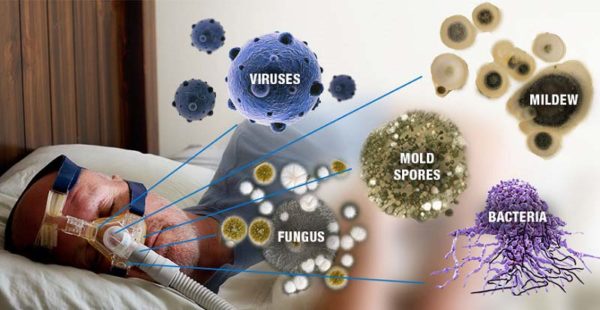
Proper upkeep of your CPAP machine can help ensure the device functions properly. “It is vitally important to keep everything as clean as possible, as hoses/tubing and masks can be a prime breeding ground for bacteria and mold,” said Phoebe Ochman, Director of Communications for Sleep Apnea Treatment Centers of America.

The thorough cleaning of your CPAP machine can be divided into daily and weekly cleaning, she said.

Daily Cleaning

Get in the habit of wiping down your mask (including areas that come in contact with your skin) using a damp towel with mild detergent and warm water. This will remove any oils, dead skin cells and sweat on the mask that can affect the quality of the seal. Gently rinse with a clean towel and let the mask air-dry.
You can also use pre-moistened towels designed specifically for cleaning CPAP masks, which are available at many sleep centres.

If your unit has a humidifier, empty any leftover water instead of letting it sit in the unit all day. Refill the humidifier with clean, distilled water right before bedtime for optimal use.

If you’ve been sick, it’s smart to wash your mask, tubing, humidifier chamber and daily until your cold, flu or virus symptoms are gone. That can help reduce the amount of time you spend under the weather.

Weekly Cleaning

Your mask and tubing need a full bath once a week to keep it free of dust, bacteria and germs.

Clean the CPAP tubing, nasal mask and headgear in a bathroom sink filled with warm water and a few drops of ammonia-free, mild dish detergent. “Swirl all parts around for about five minutes, rinse well and let air dry during the day,”. Hang the tubing over the shower rod, on a towel rack or in the laundry room to ensure all the water drips out.

The mask and headgear can be air-dried on a towel or hung on a hook or hanger.

“You should also wipe down your CPAP machine with a damp cloth,” Ochman noted. The towel shouldn’t be too damp or wet, as water could get into the machine.

Clean the filter by removing it and rinsing it in warm tap water. “Squeeze it under the water and squeeze to make sure there is no dust. Then blot down the filter with a towel,” she said.

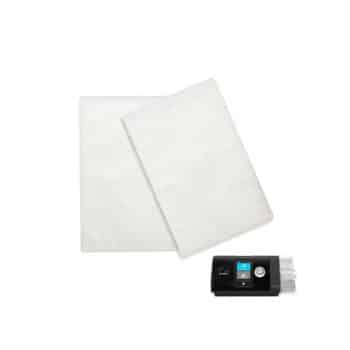
But don’t wash your machine’s white filter, if one is present—those are disposable and should be replaced once a month, Ochman said. “Just like your house filters, if the white filter is dirty, it should be replaced sooner than once a month.”

If your CPAP has a humidifier, that also needs to be cleaned weekly.

Empty any remaining water and then wash the water chamber in the sink with warm soapy water. Rinse well and drain out as much of the water as possible. Let the chamber air-dry before placing it back into the CPAP unit.

“Every other week you should disinfect the humidifier,” Ochman said. Do that by soaking it in a solution of one part vinegar to five parts water for 30 minutes, thoroughly rinsing and then placing in your dishwasher’s top rack for washing. And keep it clean by using only distilled water to prevent mineral deposits that can build up and cause damage to your machine.

With a little upkeep, your CPAP can continue to help you breathe better for a long time. Just a few minutes a day can help keep your CPAP running efficiently for years to come.

How to Find and Change Air Filters on CPAP Machines

How to Find and Change Air Filters on CPAP Machines

If you use continuous positive airway pressure (CPAP) to treat your obstructive sleep apnea, you may be familiar with most of the ways to keep your CPAP clean. However, one key element often escapes people’s notice: how do you change the filters on the CPAP machine? Whether you are using the latest model from ResMed or Respironics, two major manufacturers of the equipment, learn how to find (and how often to change) these air filters to keep yourself healthy.

What Is a CPAP Filter?

The CPAP machine takes in room air, filters it, and pressurizes it to deliver therapy to keep your airway from collapsing during sleep. Much like the very first model a modified vacuum cleaner these devices can also suck up debris from the environment. This may include dust, pet dander, smoke, and other potential allergens. The filter is designed to clear these elements from the air that is directed into the machine and ultimately to your lungs.

Most filters are made of disposable materials. The most common ones are paper, foam, or woven synthetic material that feels like polyester batting.2

Location

Depending on the make and model of your CPAP machine, the filters may be located in different locations. If you have trouble finding yours, you might ask your durable medical equipment provider for some assistance.

On the newest ResMed AirSense 10 CPAP unit, the filter is located at the left side under a plastic flap that looks like a grate. The white synthetic filter sits in this flap-like piece. When the flap door is open and the filter is removed you can see the intake hole for air, which is about the size of a nickel.
On the Philips Respironics DreamStation CPAP unit, there are actually two filters. These are located on the left side in a removable piece. One is quite small, and disposable. The other is used long term and cradles the disposable filter. The more permanent filter should be cleaned periodically with water.

we provide information for most common machines, however, if you have any machine that you would like we will find you a location for the filter contact us.

How Often You Should Change Filters

It is very important to regularly change your CPAP filters. If these become dirty, the air that you breathe in with the device will likewise be unclean. These filters are very inexpensive. If you pay for them out of pocket, it would cost only roughly 3euro per month to keep them new. In general, it is recommended that the filters be changed or cleaned at least once per month. Some insurance will pay for new filters every 2 weeks.

The ResMed filter should be outright replaced at this frequency. The longer-term filter on the Respironics machine should be rinsed clean monthly and the disposable filter underneath should also be fully replaced each month.

If you are in a particularly dirty or dusty environment, you may choose to replace your filters more often. By regularly checking the filter initially, you will be able to determine how dirty it is becoming and whether increased replacement is necessary. Even if the filter appears clean, it should be replaced on at least a monthly basis.

Final Steps

After you have removed the dirty filter each month, simply replace it with a new one, following the instructions for your model. The final step is to reassemble the filter’s housing as it was before. In the Respironics machine, this simply requires layering the filters and sliding them back in place. On the ResMed unit, you can place the filter and gently close the flap, clicking the filter into place.

Keep yourself healthy and replace your filters as often as you should.

What Sleep Lab Measure

Measurements in sleep lab

A sleep study (polysomnogram) is performed in a sleep disorder center and is typically used to diagnose sleep apnea. It is also possible for the condition to be diagnosed based on home sleep apnea testing.

A lot of information is collected, and part of the purpose of these studies consists of tracking your breathing patterns through the night. This is accomplished with several sensors:

  • Nasal cannula (or thermistor) with plastic prongs that sit in the nostrils
  • Respiratory effort belts that stretch across the chest and/or stomach
  • An oximeter clip that measures continuous oxygen and pulse rate by shining a laser light through a fingertip

learn what is sleep apnea and AHI

read our ultimate Sleep Apnea

All of this information is analyzed to determine how many times you breathe shallowly (flow limitation and Hypopnea) or stop breathing altogether(complete Obstructive) during the night. Any partial obstruction of the airway is called a hypopnea. Hypopnea refers to a transient reduction of airflow (often while asleep) that lasts for at least 10 seconds. Shallow breathing or an abnormally low respiratory rate may be called hypoventilation.

A complete cessation in breathing is called apnea (from the Greek meaning “no breath”). Hypopnea is less severe than apnea (which is a more complete loss of airflow). It may likewise result in a decreased amount of air movement into the lungs and can cause oxygen levels in the blood to drop. Sleep apnea is more commonly due to partial obstruction of the upper airway.

To count in the AHI, these pauses in breathing must last for 10 seconds and more which is associated with a decrease in the oxygen levels of the blood or cause an awakening called arousal. These awakenings may fragment sleep, make it unrefreshing, and lead to daytime sleepiness.

Some sleep facilities use other measures to assess this degree of severity. The respiratory disturbance index (RDI) may be used if a measurement of airway resistance with a pressure oesophagal manometer is also included in the study. The oxygen-desaturation index (ODI) attempts to calculate the number of apnea or hypopnea events per hour that lead to an oxygen drop of at least 3%. This is thought to be important in assessing the risk of long-term cardiovascular (high blood pressure, heart attack, and heart failure) or neurocognitive (stroke and dementia) consequences.

If your sleep study does not contain these more specific measures, this is nothing to worry about.

Ultimate Guide – Everything You Need to Know About Sleep Apnea

Ultimate Guide – Everything You Need to Know About Sleep Apnea

Everything You Need to Know About Sleep Apnea

Do you wake up in the morning after a night sleep and wonder why you still feel tired? Do you feel unfocused, drained, and have difficulty concentrating on daily tasks? Has a bed partner complained about your excessive snoring episodes? If so, read below the ultimate guide! This article covers everything you ever wanted to know about Sleep Apnea treatment and CPAP therapy.

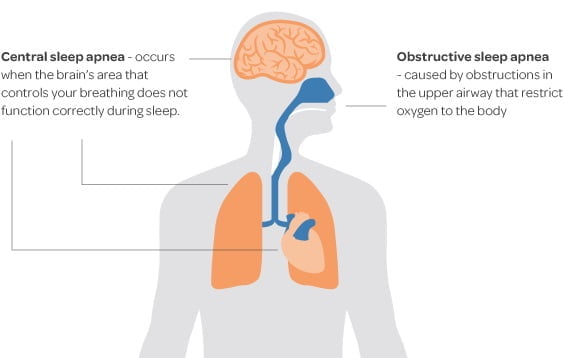
Let’s start with the Basics. Sleep Apnea occurs in roughly 1 billion people worldwide and many of those case being un-diagnosed. Sleep Apnea as a symptom is the periodical cessation of breathing that happens during sleep time only. When a person sleeps, the muscles of the tongue and throat could relax and this time apnea occurs.  It seems a simple as a straight explanation, however, there’s so much more to it than that.

During sleep apnea the airflow to the lungs becomes blocked on the throat and breathing from nose and mouth does provide the oxygen that human needs leading the person to wake up (arousal), often gasping and choking for air. Because of this process, happens many times during the night, the person who suffers from sleep apnea can’t get the restful night.


What Are the Types of Sleep Apnea?

  • Obstructive Sleep Apnea (OSA)
  • Central Sleep Apnea (CSA)
  • Mixed Sleep Apnea

What is Obstructive Sleep Apnea (OSA)

Obstructive Sleep Apnea (OSA) is the most common sleep apnea, it’s a condition that arises when excess tissues of the tongue, mouth, and throat expand during sleep and partially or completely block the airway, reducing the person blood oxygen saturation due of a blocked airway. The Breathing could stop for 10 seconds and more during each episode and the person could wake up gasping or choking air. And this process repeats many times during the night. This repeated arousal during the night will exhaust the person even with a long time of sleeping. Another that we have to point and it is crucial for the human is the repeated heart running to cover the blood oxygen saturation during sleep apnea face. Some people naturally have a more narrow throat than other people, and when you add in other risk factors, the conditions are right for developing OSA.

Symptoms of OSA include:
  • Very Loud Snoring
  • Falling Asleep during day
  • Lack of Concentration and focus on tasks
Treatment for OSA:

The most effective and common treatment for sleep apnea symptoms is CPAP machines. These type of Machines through the tube and mask, pressurize the outside air and gently open the airway so the person will be able to breathe normally. In many cases, these machines can achieve effectiveness therapy reducing the apnea even to the normal state. It’s important to note that CPAP therapy isn’t a cure for OSA.

In low sleep apnea events, there are some alternative treatments that can solve OSA avoiding using daily the sleep apnea machine. Like Provent sleep apnea therapy

What is Central Sleep Apnea (CSA)

The CSA is a different kind of apnea and instead of a blocked airway, we speak about the missing signals from brain leading the person to fail to draw breath, because the brain doesn’t send the instructions to breathe. The Central Apnea typically developing from several conditions such as heart failure and stroke. Some of the conditions could lead to central apneas, Cheyne-Stoke Breathing usually found in those with heart failure or stroke, this main breathing type can be categorized by a gradual decrease in breathing effort over the course of the night. Breaths become shallower, quieter, and softer and eventually breathing stops altogether. Cheyne-Stokes Breathing is the leading cause of CSA.

Symptoms of CSA include:
  • Falling Asleep during day
  • Lack of Concentration and focus on tasks
  • lack of Breathing without snoring
  • Shortness of breathing
Treatment for CSA:

The Treatments for CSA vary. We use the same PAP therapy as a common form of treatment for CSA. While some users may use CPAP therapy, BiPAP therapy and nowadays even ASV machines. The most important situation that happens in a person who suffers from central sleep apnea is lack of breath per minute, which means that the backup rate is necessary and BiPAP or Servo-Ventilators should be used. The cardiovascular death risk observed in SERVE-HF has been confirmed as true.

BiPAP machines use 2 phases, one for inhalation and one for exhalation phase, which means the machine will follow the person through his/her breathing cycles. If the person is using BiPAP ST, the machine will support him/her even with the back-up rate when the person, due to the central sleep apnea, will stop the cycle of breathing.

What is Complex (Mixed) Sleep Apnea

Complex or Mixed Sleep Apnea is a disorder that combines OSA and CSA, which exist in every single event. The person has stopped breathing by Central sleep apnea and it continues with obstructive sleep apnea and this period, which should be more than 10 seconds, is called mixed sleep apnea. 

Symptoms of Mixed Sleep Apneas include:
  • Very Loud Snoring
  • Falling Asleep during day
  • Lack of Concentration and focus on tasks
  • Lack of Breathing without snoring
Treatment for Complex Sleep Apnea

Mixed Sleep apnea can be varied and many machines can be used for treatment since CPAP therapy could also be effective. But in many cases, the BiPAP machine or even better the ASV Machine, are the best choice for such apneas because it will be able to adjust the needed pressure to the person needs during each breath.

AirSense 10 AutoSet Auto CPAP with HumidAir, ResMed

CPAP provides relief from depression

Additional benefit for sleep apnea sufferers,sleep apnea,sleep apnea machine,sleep apnea treatment,sleep apnea definition,sleep apnea causes,sleep apnea surgery

An additional benefit for sleep apnea sufferers

Researchers have found that continuous positive airway pressure (CPAP) treatment of obstructive sleep apnea (OSA) can improve depression symptoms in patients suffering from cardiovascular diseases.

Using data from the Sleep Apnea Cardiovascular Endpoints (SAVE) trial led by Flinders University, the new study has found a significant decrease in cases of depression after patients received CPAP treatment for their sleep apnea.

This is by far the largest trial of its type and one of the very few studies reporting such an effect, says Professor Doug McEvoy from Flinders University.

From the detailed analysis of the SAVE data, Flinders University experts and collaborators at the George Institute have found that CPAP for moderate-severe OSA in patients with cardiovascular disease has broader benefits in terms of preventing depression, independent of improved sleepiness.

Prior studies investigating the effect of CPAP on mood with various experimental designs and length of follow-up periods have yielded heterogeneous results.

Additional benefit for sleep apnea sufferers,sleep apnea,sleep apnea machine,sleep apnea treatment,sleep apnea definition,sleep apnea causes,sleep apnea surgery

“Patients who have had a stroke or heart attack are prone to suffer from low mood and are 2 to 3 times more likely to develop clinical depression, which then further elevates their risk of future heart attacks and strokes,” says SAVE principal investigator Professor McEvoy, a senior author in the paper just published by The Lancet in EClinicalMedicine.

With up to 50% of patients with CV disease likely to have OSA, the study is “welcome news that treatment of OSA substantially relieves cardiovascular patients’ depressive symptoms and improves their wellbeing.”

The paper’s first author, Dr Danni Zheng, from the George Institute for Global Health (UNSW), says the 2687 OSA patients enrolled in the SAVE trial were based solely on their history of cardiovascular disease and not on their current mood status.

“After following them for an average of 3.7 years, we found that CPAP provided significant reductions in depression symptoms compared with those who were not treated for OSA. The improvement for depression was apparent within six months and was sustained.”

As expected, those with lower mood scores to start with appeared to get the greatest benefit.

“Our additional systematic review which combined the SAVE study findings with previous work provided further support of the treatment effect of CPAP for depression,” Dr Zheng says.


Story Source: Materials provided by Flinders University. Note: Content may be edited for style and length.


Journal Reference:Danni Zheng, Ying Xu, Shoujiang You, Maree L. Hackett, Richard J. Woodman, Qiang Li, Mark Woodward, Kelly A. Loffler, Anthony Rodgers, Luciano F. Drager, Geraldo Lorenzi-Filho, Xia Wang, Wei Wei Quan, Manjari Tripathi, Olga Mediano, Qiong Ou, Rui Chen, Zhihong Liu, Xilong Zhang, Yuanming Luo, Nigel McArdle, Sutapa Mukherjee, R. Douglas McEvoy, Craig S. Anderson. Effects of continuous positive airway pressure on depression and anxiety symptoms in patients with obstructive sleep apnoea: results from the sleep apnoea cardiovascular Endpoint randomised trial and meta-analysis. EClinicalMedicine, 2019; 11: 89 DOI: 10.1016/j.eclinm.2019.05.012