
Health
COPD Definition and Diagnosis
Mar
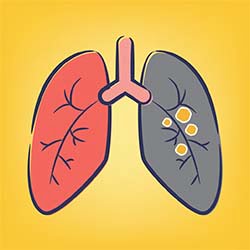
Chronic Obstructive Pulmonary Disease (COPD) is a long-term, progressive lung disease that makes it hard to breathe. It is a major cause of disability and a leading cause of death worldwide, affecting millions of people each year. Understanding COPD’s definition, its causes, symptoms, and diagnosis processes can empower individuals to seek timely medical attention and manage the condition effectively.
Definition
COPD is not a single disease but a term used to describe a group of lung conditions that cause breathing difficulties, including emphysema and chronic bronchitis:
- Emphysema involves damage to the alveoli (air sacs) in the lungs, making it hard for the lungs to exchange oxygen and carbon dioxide.
- Chronic Bronchitis is characterized by long-term inflammation of the bronchial tubes, which leads to increased production of mucus, coughing, and difficulty breathing.
These conditions limit airflow in and out of the lungs, making it difficult to breathe. The obstruction is usually progressive, meaning it worsens over time, especially if exposure to the cause, such as smoking, continues.
Causes
The primary cause of COPD is long-term exposure to substances that irritate and damage the lungs. This includes:
- Tobacco Smoke: The leading cause of COPD in developed countries. People who smoke or have a history of smoking are at high risk.
- Air Pollution: Exposure to indoor and outdoor air pollution can contribute to developing COPD.
- Occupational Dust and Chemicals: Long-term exposure to dust, chemicals, and fumes in the workplace can lead to COPD.
- Genetic Factors: A deficiency in a protein called alpha-1 antitrypsin can cause COPD. This condition is less common but can affect individuals at a younger age.
Symptoms
COPD symptoms often don’t appear until significant lung damage has occurred, and they usually worsen over time. Common symptoms include:
- Persistent cough, often referred to as a “smoker’s cough”
- Increased mucus production
- Shortness of breath, especially during physical activities
- Wheezing
- Chest tightness
Diagnosis
Diagnosing COPD involves a combination of clinical evaluation and diagnostic tests:
- Medical History and Physical Examination: A doctor will review symptoms, exposure to lung irritants, and family health history.
- Spirometry: The most common test for diagnosing COPD, spirometry measures how much air one can inhale and exhale, and how quickly. A significant reduction in airflow indicates COPD.
- Chest X-ray or CT Scan: These imaging tests can provide detailed pictures of the lungs, helping to rule out other lung conditions and assess the extent of lung damage caused by COPD.
- Arterial Blood Gas Analysis: This test measures how well the lungs are bringing oxygen into the blood and removing carbon dioxide.
Early diagnosis and treatment are crucial in managing COPD, slowing its progression, and improving quality of life. Lifestyle changes, such as quitting smoking, avoiding lung irritants, and adhering to a treatment plan, including medication, pulmonary rehabilitation, and possibly oxygen therapy, can help manage symptoms and enhance the ability to stay active.