Author Archives: CPAP Store

Summer CPAP Guide

Woman pointing at Summer CPAP Guide text on green background

How to Sleep Comfortably During Hot Weather and Travel

Summer is a wonderful season for holidays, travel, longer days, and more time outdoors. However, for people using CPAP therapy, summer can also bring some extra challenges. Hot nights, sweating, air conditioning, changing humidity levels, and travelling away from home can all affect how comfortable your CPAP treatment feels.

The good news is that with a few simple preparations, you can continue your CPAP therapy comfortably throughout the summer and enjoy your holidays without unnecessary stress.

In this guide, we explain how to use your CPAP machine during hot weather, what to prepare before travelling, and which accessories can help you sleep better during the summer months.

Why CPAP Therapy Can Feel Different in Summer

Many CPAP users notice that their therapy feels different during summer. This is normal, because the environment around you changes.

During hot weather, you may sweat more during the night. This can affect the mask seal and may cause air leaks. At the same time, many people sleep with air conditioning, which can dry the air in the room and cause dryness in the nose, mouth, or throat.

Humidity can also change depending on where you are. A seaside destination may feel more humid, while an air-conditioned hotel room may feel very dry. These changes can affect your comfort, your mask fit, and your breathing during the night.

Common summer CPAP issues include:

  • Dry nose or dry mouth
  • Mask leaks due to sweating
  • Skin irritation from the mask
  • Condensation inside the tube
  • Discomfort from warm air
  • Difficulty using CPAP while travelling
  • Forgetting important CPAP parts before holidays

Most of these problems can be avoided with good preparation and small adjustments.

CPAP and Hot Weather: How to Stay Comfortable

When the temperature rises, comfort becomes very important. CPAP therapy should not feel like a burden during summer. If your mask feels uncomfortable or you wake up sweating, there are a few simple things you can try.

First, make sure your mask cushion is in good condition. A worn-out mask cushion can lose its seal more easily, especially when your skin becomes warm or oily during the night. If you have not replaced your cushion for a long time, summer is a good time to check it.

It is also important to wash your face before bedtime. Oils, creams, and sweat can make the mask move during sleep and increase leaks. A clean face and a clean mask cushion can make a big difference.

If your bedroom is very warm, try to keep the room temperature comfortable before going to sleep. A fan or air conditioning can help, but avoid placing direct airflow straight at your face, as this may cause dryness or irritation.

CPAP and Air Conditioning

Air conditioning is very useful during hot summer nights, but it can also dry the air in the room. Many CPAP users who sleep with air conditioning may notice dry nose, dry mouth, sore throat, or nasal irritation.

This does not mean that you should stop using air conditioning. It simply means that your humidifier settings may need attention.

If you feel dryness, you may need to increase the humidifier level slightly. If you feel too much moisture or notice water inside the tube, you may need to reduce the humidifier level or adjust the room temperature.

Every user is different. Some people need more humidity in summer because of air conditioning, while others need less humidity when staying in a naturally humid place.

The best approach is to make small changes and observe how you feel the next morning.

Humidifier Tips for Summer

Your CPAP humidifier can be very helpful during summer, especially if you sleep in air-conditioned rooms. It helps reduce dryness and can make breathing more comfortable.

However, humidity needs may change depending on your environment.

If you are in a dry room with air conditioning, you may need a higher humidity setting. If you are in a humid seaside area, you may need a lower setting. If you notice condensation or water inside the tube, this may mean that the humidity level is too high for the room temperature.

Useful humidifier tips for summer:

  • Check the water level before going to sleep
  • Empty and rinse the water chamber daily
  • Use distilled water when possible
  • Adjust humidity gradually, not aggressively
  • Clean the water chamber regularly
  • Replace the water chamber if it is old, damaged, or cloudy

A clean and properly adjusted humidifier can make CPAP therapy much more comfortable during hot weather.

Mask Comfort During Summer

The mask is one of the most important parts of CPAP therapy, and during summer it can become more sensitive because of sweating and heat.

If your mask starts leaking more than usual, it does not always mean that the mask is the wrong model. It may simply mean that the cushion is worn, the straps need adjustment, or your skin is more oily during hot nights.

Before tightening the mask too much, check the cushion first. Over-tightening can cause pressure marks, discomfort, and even more leaks. Most modern CPAP masks are designed to seal gently with the air pressure, not by being extremely tight.

To improve mask comfort in summer:

  • Clean the mask cushion daily
  • Wash your face before bedtime
  • Avoid heavy face creams before using CPAP
  • Replace old cushions when needed
  • Adjust the headgear gently
  • Check for leaks after lying down in your sleeping position

If your current mask feels too warm or uncomfortable, you may also consider a different mask style. Some users prefer nasal masks or nasal pillows during summer because they feel lighter on the face. However, the best mask always depends on your breathing habits, pressure settings, and whether you breathe through your mouth during sleep.

Travelling with CPAP in Summer

Many people worry about travelling with CPAP equipment, but in most cases it is simple when you prepare correctly.

Your CPAP machine is an important medical device and should travel with you safely. When flying, it is usually best to carry your CPAP machine in your hand luggage rather than placing it inside checked baggage. This helps protect the device from damage and also reduces the risk of losing it during travel.

Before leaving for your trip, check that you have all the necessary parts. Many CPAP users remember the machine but forget the power supply, mask elbow, tube, water chamber, or filters.

A simple checklist can save your holiday.

CPAP Travel Checklist

Before travelling, make sure you have:

  • CPAP machine
  • CPAP mask
  • Mask cushion in good condition
  • Headgear
  • CPAP tube
  • Power supply
  • Power cable
  • Plug adapter for your destination
  • Water chamber
  • Spare filters
  • Travel bag
  • Mask wipes or cleaning accessories
  • Spare mask cushion if available
  • Copy of your CPAP settings or prescription, if needed
  • CPAP battery, if travelling somewhere with unstable power or for camping

It is also a good idea to test your equipment before leaving. Do not wait until the first night of your holiday to discover that something is missing or damaged.

Should You Travel with a Standard CPAP or a Travel CPAP?

Many users travel with their standard CPAP machine without any problem. Modern CPAP machines are compact enough for most trips and usually come with a travel bag.

However, if you travel often, a travel CPAP machine may be more convenient. Travel CPAP devices are smaller, lighter, and easier to pack. They are especially useful for frequent flyers, business travellers, campers, and people who want to reduce luggage size.

A travel CPAP can be a good option if you:

  • Travel several times per year
  • Want a smaller machine for holidays
  • Need a compact device for flights
  • Prefer lighter luggage
  • Need a backup CPAP device
  • Go camping or stay in places with limited space

Before choosing a travel CPAP, always check mask compatibility, humidification options, noise level, and power supply requirements.

CPAP Batteries and Power During Summer Trips

If you are travelling to a place where power may not be stable, or if you are planning camping, sailing, or road trips, a CPAP battery can be very useful.

A CPAP battery can help you continue therapy even when electricity is not available. Battery duration depends on the CPAP model, pressure settings, humidifier use, and whether a heated tube is connected.

In general, humidifiers and heated tubes use more power. If you need to use a battery for longer, you may need to use the CPAP machine without humidification, depending on your device and setup.

Before travelling, test your battery at home with your CPAP machine. This helps you understand how long it can support your therapy and avoids surprises during your trip.

Cleaning Your CPAP Equipment During Summer

Cleaning is always important, but during summer it becomes even more important because of heat and sweating.

The mask cushion touches your skin every night. Sweat, oils, and dust can build up quickly and affect both hygiene and mask seal. Daily cleaning of the mask cushion can improve comfort and reduce leaks.

Basic summer cleaning routine:

  • Clean the mask cushion daily
  • Empty and rinse the humidifier chamber daily
  • Let parts air dry away from direct sunlight
  • Replace filters regularly
  • Keep the machine away from dust, sand, and direct heat
  • Do not leave the CPAP machine inside a hot car for long periods

If you are travelling to the beach, be careful with sand and humidity. Keep your CPAP equipment inside its travel bag when not in use.

Avoid Stopping CPAP Therapy During Holidays

Some people are tempted to stop CPAP therapy during holidays, especially for short trips. This is not recommended. Sleep apnea does not take a break during summer. If you stop using your CPAP machine, symptoms such as snoring, tiredness, morning headaches, dry mouth, poor concentration, and daytime sleepiness may return. Good sleep is very important during holidays. You want to enjoy your trip, drive safely, walk, explore, and feel rested. Continuing your CPAP therapy helps you maintain better sleep quality and better energy during your summer break.

When Should You Replace CPAP Parts Before Summer?

Before travelling, it is a good idea to check your equipment and replace parts that are old or worn.

You may need replacement parts if:

  • The mask cushion has become soft, cloudy, yellow, or damaged
  • You have more leaks than usual
  • The headgear has lost elasticity
  • The tube has small holes or damage
  • The water chamber is cloudy or cracked
  • The filters are dirty or discoloured
  • The mask feels uncomfortable even after cleaning

Replacing small parts before your trip is usually much easier than trying to find them while you are away.

Useful CPAP Accessories for Summer

Some accessories can make CPAP therapy easier during summer and travel.

Useful summer CPAP accessories include:

  • Spare mask cushions
  • CPAP filters
  • CPAP travel bag
  • Mask wipes
  • CPAP tube
  • Humidifier water chamber
  • Plug adapter
  • CPAP battery
  • Travel CPAP machine
  • Lightweight mask options
  • Cleaning accessories

Having the right accessories helps you avoid treatment interruptions and makes your therapy more comfortable.

Final Tips Before Your Summer Trip

Before leaving for your summer holiday, take a few minutes to prepare your CPAP equipment.

Check that your machine works properly. Inspect your mask, tube, filters, and water chamber. Pack everything in one place and keep your CPAP machine protected during travel. If you use a humidifier, remember that your settings may need small adjustments depending on the climate and air conditioning. If your mask leaks more during hot nights, clean the cushion and check whether it needs replacement. Most importantly, do not leave your CPAP therapy behind. With the right preparation, you can sleep comfortably, travel with confidence, and enjoy your summer holidays while continuing your treatment.

Prepare Your CPAP Therapy for Summer

At CPAPstore.eu, you can find CPAP machines, masks, travel CPAP devices, replacement parts, filters, humidifier chambers, batteries, and useful accessories for your summer travel needs. Before your next trip, make sure your CPAP equipment is complete, clean, and ready to use. Good preparation means better sleep, fewer problems, and more comfortable holidays.

CPAP Travel & Battery Guide 2026

cpap travel & battery guide 2026

Travelling with a CPAP machine in Europe is easier than many users expect. With the right preparation, you can take your CPAP device, mask, tubing, humidifier and battery with you safely by plane, ferry, train or car. This guide explains the most important things to know before travelling with your CPAP equipment in 2026.


Can You Fly with a CPAP Machine?

Yes. CPAP, APAP and BiPAP machines are generally allowed on flights because they are medical devices. The best option is to keep your CPAP machine in your hand luggage, not in your checked suitcase. This helps protect the device from damage, loss or delay. Before your flight, check with your airline if:

  • your CPAP machine can be carried as medical equipment,
  • you can use it during the flight,
  • you need to inform the airline in advance,
  • you need a medical note or prescription.

Even if CPAP machines are usually accepted, each airline may have slightly different rules.


Does CPAP Count as Cabin Baggage?

Many airlines treat CPAP machines as medical equipment, but this does not always mean it is automatically excluded from your cabin baggage allowance. To avoid problems at the airport, contact your airline before travelling and ask if your CPAP bag can be carried in addition to your normal hand luggage. It is also useful to keep your CPAP in its original travel bag and carry a copy of your prescription or medical note.


CPAP Batteries on Planes in 2026

If you travel with a CPAP battery, this is the most important part to check. Most CPAP batteries use lithium-ion technology. These batteries are usually allowed only in cabin baggage, not in checked luggage. As a general rule:

  • batteries up to 100 Wh are usually accepted in carry-on baggage,
  • batteries between 101 Wh and 160 Wh usually require airline approval,
  • batteries over 160 Wh are usually not allowed for passenger travel.

Always check the battery label before flying. Look for the Wh rating. If you cannot find it, contact the battery manufacturer or your airline before travel. If you want to use your CPAP machine during the flight, ask the airline in advance. Do not rely only on the aircraft power socket, because it may not be available or suitable for your device.


Travel CPAP or Standard CPAP?

You can travel with a standard CPAP machine, but a travel CPAP device is often easier for frequent travellers. A standard CPAP machine is usually more comfortable for daily home therapy, especially if you use a humidifier. A travel CPAP machine is smaller, lighter and easier to pack. It is ideal for holidays, business trips, short stays and frequent flights. For many users, the best solution is to keep the standard CPAP machine at home and use a compact travel CPAP device when travelling.


CPAP Travel Checklist

Before leaving home, make sure you have:

  • CPAP machine
  • CPAP mask
  • headgear
  • tubing
  • power supply
  • plug adapter
  • humidifier water chamber, if used
  • spare mask cushion
  • spare filters
  • CPAP wipes or cleaning accessories
  • CPAP battery, if needed
  • medical note or prescription, if available

Do not pack your only mask or machine in checked luggage. If your suitcase is delayed, you may not be able to continue your therapy. Download the checklist


Hotel and Holiday Tips

When you arrive at your hotel or accommodation, place your CPAP machine on a stable surface near the bed. It is useful to travel with a small extension cable, because the power socket may not be close to the bedside table. If you use a humidifier, empty the water chamber before moving the machine. Never travel with water inside the chamber. If distilled water is not available, bottled water may be used for short periods, but it may leave mineral deposits. Clean the water chamber carefully after your trip.


Useful CPAP Travel Products

For easier travel, you may consider:

  • travel CPAP machines
  • CPAP batteries
  • CPAP carry cases
  • spare mask cushions
  • spare filters
  • power supplies and adapters
  • CPAP cleaning wipes

Having a few spare parts with you can prevent small problems from becoming serious during your trip.


Final Advice

Travelling with CPAP therapy is completely possible with good preparation. The most important steps are simple: keep your CPAP machine in your hand luggage, check airline battery rules, pack spare parts and confirm in advance if you plan to use your device during the flight.

With the right setup, you can continue your sleep apnea therapy comfortably while travelling across Europe in 2026.

Blog article: https://www.cpapstore.eu/blog/cpap-travel-battery-guide-2026/

Travel CPAP category: https://www.cpapstore.eu/product-category/cpap-bipap-machines/cpap-machines/cpap-complete-packages/airmini-packages/

CPAP batteries: https://www.cpapstore.eu/product-category/cpap-accessories/power-solution/machine-batteries/

CPAP accessories: https://www.cpapstore.eu/product-category/cpap-accessories/

CPAP Mask Cleaning Guide

cpap mask cleaning guide

How to Keep Your Mask Clean, Fresh & Comfortable

If you use CPAP therapy every night, keeping your mask clean is one of the easiest ways to improve comfort, hygiene, and overall experience. A clean CPAP mask feels fresher, seals better, and helps you enjoy more comfortable therapy night after night. Many CPAP users focus on machine settings and pressure levels, but the mask is the part that touches your face for hours every night—so regular cleaning matters. In this guide, we explain the best daily and weekly CPAP mask cleaning routine, what products to use, and common mistakes to avoid.


Why CPAP Mask Cleaning Matters

Your CPAP mask can collect: Without regular cleaning, buildup may affect comfort and the quality of the mask seal.

  • Facial oils
  • Sweat
  • Skin cells
  • Dust
  • Moisture
  • Makeup or skincare residue

Keeping your mask clean can help:

  • Improve comfort
  • Maintain a better seal
  • Reduce unpleasant odors
  • Keep equipment fresh
  • Support a better nightly routine

Daily CPAP Mask Cleaning Routine (1 Minute)

The most important daily step is cleaning the mask cushion, as this is the part that sits directly on your face.

What to Do Each Morning

  1. Remove the mask if needed
  2. Wipe the cushion with CPAP mask wipes or a soft damp cloth
  3. Allow it to air dry naturally

Why Daily Cleaning Helps

Facial oils can build up quickly and make the cushion slippery, which may affect comfort during the night. A quick daily wipe can help keep your mask feeling fresh and comfortable.


Weekly Deep Cleaning Routine

Once per week, wash all removable mask parts according to the manufacturer’s instructions.

Common Parts to Clean

  • Cushion
  • Frame
  • Headgear (if washable)
  • Elbow or swivel parts
  • Short tubing if included

How to Clean

  1. Use warm water
  2. Add mild soap or baby shampoo
  3. Wash gently by hand
  4. Rinse thoroughly
  5. Leave parts to air dry away from direct sunlight

What Cleaners Should You Avoid?

To help protect your mask materials, avoid using:

  • Bleach
  • Strong detergents
  • Alcohol-based cleaners
  • Very hot water
  • Abrasive cleaning products

Gentle cleaning is always the best approach.


CPAP Headgear Cleaning Tips

Headgear straps may absorb sweat over time, so regular washing helps keep them fresh. Always check the manufacturer instructions and allow the straps to dry fully before use.


CPAP Wipes vs Soap and Water

CPAP Mask Wipes

Ideal for quick daily cleaning and travel use.

Soap and Water

Best for weekly deep cleaning of all parts.

Many CPAP users use both methods as part of their routine.


Common Cleaning Mistakes to Avoid

1. Skipping Daily Cushion Cleaning

Oil buildup can happen quickly.

2. Using Harsh Chemicals

These may damage delicate mask materials.

3. Reassembling While Wet

Allow all parts to dry properly before use.

4. Forgetting Weekly Cleaning

A weekly deeper clean helps keep everything fresh.


Simple Cleaning Routine to Follow

Every Day:

Wipe the cushion

Once Per Week:

Wash mask parts with warm water and mild soap

Always:

Let everything dry fully before use


Final Thoughts

CPAP mask cleaning does not need to be complicated. Just a few minutes each week can help keep your equipment clean, fresh, and comfortable. Good cleaning habits can make nightly therapy feel better and easier to maintain.

Resmed AirTouch N30i Nasal CPAP Mask Review

resmed airtouch n30i nasal cpap mask review

When it comes to CPAP therapy, comfort is everything. If a mask feels unnatural, causes irritation, or restricts movement, users simply won’t stick with therapy.

That’s exactly the problem Resmed aimed to solve with the AirTouch N30i — a next-generation nasal mask designed to feel as soft and natural as possible while maintaining high performance.

But is it really worth it? Let’s break it down.


What is the Resmed AirTouch N30i?

The AirTouch N30i is a nasal cradle CPAP mask featuring a top-of-the-head tube design and an innovative fabric-based cushion.

Unlike traditional silicone masks, this one combines fabric and silicone to create a softer, more breathable experience while still maintaining a reliable seal.

In simple terms: It’s designed to feel more like wearing nothing — and less like medical equipment.


AirTouch N30i Nasal Cradle CPAP Mask

Original price was: 150,00 €.Current price is: 145,00 €.

Key Features

1. ComfiSoft™ Fabric Cushion (Game Changer)

The biggest innovation here is the ComfiSoft™ cushion.

  • Combines fabric softness + silicone durability
  • Breathable and moisture-wicking
  • Reduces skin irritation and red marks
  • Adapts naturally to your nose shape

This is a major step forward compared to classic silicone cushions, which often feel cold or rigid.

Clinical feedback shows users rated it softer, cooler, and more breathable than their previous masks.


Top-of-the-Head Tube Design

The tubing connects above your head, not in front of your face.

This gives you:

  • Freedom to sleep on your side or stomach
  • No hose pulling or dragging
  • Less claustrophobic feeling

Perfect for active sleepers.


3. Fully Fabric-Wrapped Frame

The frame is also wrapped in soft fabric — not plastic.

Benefits:

  • Gentle on skin and hair
  • No hard edges
  • More “natural” feel during sleep

Resmed describes it as feeling like soft pajamas on your face.


4. QuietAir™ Venting System

The AirTouch N30i includes diffused venting:

  • Extremely quiet operation
  • Air is gently dispersed (no blowing on partner)
  • Better sleep environment

Many users highlight this as a big improvement over older masks.


5. Lightweight & Minimal Design

  • Under-the-nose cradle (no inserts)
  • Open field of vision
  • Ideal for reading or watching TV

It’s one of the least intrusive masks in the Resmed lineup.


Performance & Real-World Use

Comfort

This is where the AirTouch N30i truly stands out.

  • Softest mask in its category
  • No pressure points
  • Minimal facial marks

Around 92% of users preferred it over their previous mask in studies.


Seal & Stability

Despite being soft, it still delivers:

  • Reliable seal throughout the night
  • Good performance even for side sleepers
  • Less leaks compared to traditional cradle masks

Around 96% of users reported a good or excellent seal.


Noise Level

  • Extremely quiet (around whisper level)
  • Ideal for couples

Ease of Use

  • Quick-release elbow for easy disconnect
  • Simple headgear adjustment
  • Easy setup for beginners

Pros & Cons

Pros

  • Exceptional comfort (fabric cushion)
  • Very quiet (QuietAir vent)
  • Great for side & stomach sleepers
  • No hose in front of face
  • Minimal skin irritation

Cons

  • Not ideal for mouth breathers
  • Cushion may wear faster than silicone
  • Not compatible with AirMini
  • Slightly higher price than basic masks

AirTouch N30i vs AirFit N30i

FeatureAirTouch N30iAirFit N30i
CushionFabric + siliconeSilicone
Comfort⭐⭐⭐⭐⭐⭐⭐⭐⭐
DurabilityMediumHigh
FeelSoft & breathableTraditional
PriceHigherLower

If comfort is your priority → AirTouch wins If durability matters more → AirFit wins

Who Is It Best For?

The AirTouch N30i is ideal if:

  • You want maximum comfort
  • You are a side or active sleeper
  • You hate bulky or claustrophobic masks
  • You experience skin irritation from silicone masks

Who Should Avoid It?

The AirTouch N30i is not ideal if:

  • Mouth breathers (better go for full face like Resmed AirFit F40)
  • Users needing very high pressure stability
  • Those who prefer long-lasting silicone cushions

Final Verdict: Is It Worth It?

The Resmed AirTouch N30i is one of the most comfortable nasal CPAP masks currently available. It’s not just an upgrade — it’s a different experience altogether.

If you struggle with:

  • mask discomfort
  • skin irritation
  • or poor sleep due to bulky masks

This could significantly improve your therapy compliance.

Does Your Partner Stop Breathing at Night

does your partner stop breathing at night

Have You Ever Noticed Your Partner Stop Breathing During Sleep?

You wake up in the middle of the night… and something feels wrong. The room is quiet — too quiet. Then suddenly, your partner gasps for air. If this sounds familiar, you’re not alone. In fact, many cases of sleep apnea are first noticed not by the person suffering — but by the one sleeping next to them. Understanding these signs early can make a life-changing difference.


Why Bed Partners Are Often the First to Notice Sleep Apnea

People with sleep apnea are asleep when symptoms happen — meaning they are often unaware of the problem.

Bed partners, however, can clearly observe:

  • Breathing pauses
  • Loud snoring
  • Choking or gasping sounds
  • Restless movement during the night

In many cases, the partner becomes the first “diagnostic signal” that something is wrong.


7 Warning Signs of Sleep Apnea You Should Never Ignore

1. Loud, Chronic Snoring

Not all snoring is dangerous — but loud, frequent snoring that disturbs sleep is a major red flag.

2. Breathing Pauses During Sleep

This is the most serious sign. You may notice your partner stop breathing for several seconds, followed by a sudden gasp.

3. Gasping or Choking Sounds

It may sound like your partner is struggling to breathe — this is the body reacting to lack of oxygen.

4. Restless Sleep

Constant tossing, turning, or sudden movements can indicate disrupted breathing cycles.

5. Sudden Night Awakenings

Waking up abruptly, sometimes with anxiety or a racing heart.

6. Morning Headaches or Dry Mouth

These are common symptoms caused by poor oxygen levels during sleep.

7. Daytime Fatigue (Even After “Full” Sleep)

If your partner is always tired, sleepy, or irritable — poor sleep quality could be the cause.


Why Sleep Apnea Is More Serious Than It Seems

Obstructive Sleep Apnea is not just about snoring — it’s a medical condition that affects breathing and oxygen levels throughout the night.

If left untreated, it has been linked to:

  • High blood pressure
  • Heart disease
  • Stroke
  • Diabetes

Early detection can significantly reduce these risks.


What Should You Do If You Notice These Signs?

If you recognize these symptoms, here are simple but important steps:

  • Talk to your partner openly and calmly
  • Explain what you’ve observed (without blaming)
  • Encourage a sleep study or medical consultation
  • If possible, record the symptoms during sleep

Taking action early can prevent long-term health complications.


The Most Effective Solution: CPAP Therapy

The most common and effective treatment for sleep apnea is CPAP therapy (Continuous Positive Airway Pressure). CPAP devices work by keeping the airway open during sleep — preventing breathing interruptions. Many couples report something incredible after starting therapy: “It was the first quiet night we had in years.”


Frequently Asked Questions

The first signs usually include loud snoring, breathing pauses during sleep, and sudden gasping or choking sounds. Many partners also notice restless sleep and frequent awakenings.

No. Brief pauses in breathing can be a sign of Obstructive Sleep Apnea and should not be ignored, especially if they happen frequently.

Gasping or choking during sleep often happens when the airway becomes blocked and the body reacts by suddenly restarting breathing. This is a common symptom of sleep apnea.

Yes. While not all snoring is dangerous, loud and chronic snoring combined with breathing pauses may indicate sleep apnea, which can affect overall health.

If breathing pauses are frequent or prolonged, it is important to take them seriously. While occasional nudging may help temporarily, the best step is to seek proper medical evaluation.

The most effective treatment is CPAP therapy, which keeps the airway open during sleep and prevents breathing interruptions.

Yes. Sleep apnea can lead to poor sleep, irritability, and separate sleeping arrangements. Proper treatment often improves both sleep quality and relationship well-being.


Not Sure Which CPAP Machine to Choose?

If you suspect sleep apnea, the next step is understanding your options.

👉 Read our guide: Top 5 Best CPAP Machines in Europe (2026)

This guide will help you choose the right device based on comfort, noise level, and performance.


Final Thoughts

Sometimes, the person who notices the problem is not the one suffering from it. If your partner snores loudly, gasps, or stops breathing during sleep — don’t ignore it. You might be the reason they get the help they need.

How CPAP Saves Relationships

how cpap saves relationships

Introduction

Sleep apnea doesn’t just affect the person who has it. It affects the person lying right next to them. What starts as “just snoring” can slowly turn into:

  • Sleepless nights
  • Frustration
  • Separate bedrooms
  • Even tension in the relationship

But there’s something many couples don’t realize: 👉 Treating sleep apnea can improve not only health — but the relationship itself.


The Hidden Impact of Sleep Apnea on Relationships

When someone suffers from Obstructive Sleep Apnea, both partners feel it.

Sleep Deprivation (for both)

  • One snores, the other stays awake
  • Interrupted sleep becomes the norm

Irritability & Mood Changes

Poor sleep leads to

  • Short temper
  • Emotional distance
  • Increased arguments

Separate Sleeping Arrangements

Many couples:

  • Move to different rooms
  • Or avoid sleeping together entirely

👉 This can slowly reduce intimacy and connection.


Health Anxiety

Partners often feel:

  • Worried
  • Helpless
  • Stressed watching breathing pauses

Why This Happens

Sleep apnea disrupts

  • Oxygen levels
  • Brain recovery
  • Hormonal balance

The result? 👉 Constant fatigue + stress = relationship strain


The Turning Point: Starting CPAP Therapy

This is where everything changes. CPAP (Continuous Positive Airway Pressure) therapy:

  • Keeps the airway open
  • Stops breathing pauses
  • Reduces or eliminates snoring

Real Changes Couples Experience

Quiet Nights Again

No more:

  • Loud snoring
  • Sudden gasping
  • Sleep interruptions

Better Mood & Energy

With proper sleep:

  • More patience
  • Better communication
  • Improved emotional connection

Sharing the Same Bed Again

Many couples say: “We finally sleep together again.”


Restored Intimacy

Better sleep improves:

  • Hormonal balance
  • Energy levels
  • Overall closeness

“I Didn’t Realize How Much It Affected Us”

This is something we hear often at cpapstore.eu.

Many customers say:

  • They underestimated the impact
  • Their partner pushed them to act
  • CPAP changed both their lives

👉 Not just medically — but emotionally.


Addressing the Common Concerns

“Isn’t CPAP uncomfortable?”

Modern CPAP devices are:

  • Quiet
  • Compact
  • Designed for comfort

“Will it make noise?”

Most modern machines are virtually silent — often quieter than breathing.


“Will it affect intimacy?”

Actually, the opposite: 👉 Better sleep = better relationship


Choosing the Right Setup Matters

Comfort is key. The right combination of:

  • CPAP machine
  • Mask type
  • Humidification

👉 Makes adaptation much easier.


Where to Start

If sleep apnea is affecting your relationship, start here:

👉 Read our guide: Top 5 Best CPAP Machines in Europe (2026)

Explore quiet and comfortable solutions designed for couples


Final Thoughts

Sleep apnea is not just a medical condition. It’s a relationship issue. But it’s also one of the few problems with a clear, effective solution. Because sometimes… 👉 Saving your sleep means saving your relationship too.

Top 5 Best CPAP Machines in Europe

top 5 best cpap

What Is the Best CPAP Machine in Europe? – Which One Should You Buy?

The best CPAP machine in Europe in 2026 is the AirSense 11 AutoSet. It offers automatic pressure adjustment, very quiet operation, and advanced comfort features. It is ideal for both beginners and experienced users and is widely considered the most reliable CPAP device for long-term therapy.

Choosing the right CPAP machine is essential for effective sleep apnea therapy. With multiple options available in Europe, it can be difficult to decide which device offers the best comfort, reliability, and long-term value.

Top 5 Best CPAP Machines in Europe (2026)

  1. AirSense 11 AutoSet – Best overall
  2. Löwenstein Prisma Smart Max – Best value
  3. AirSense 10 AutoSet – Most reliable
  4. Philips DreamStation 2 – Compact option
  5. Resmed AirMini – Best for travel

👉 Quick answer:
The best CPAP machine in Europe in 2026 is the AirSense 11 AutoSet thanks to its advanced auto-adjusting algorithm, quiet operation, and ease of use.


1. AirSense 11 AutoSet – Best Overall CPAP Machine

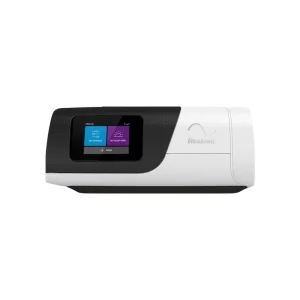
AirSense 11 Elite Fixed CPAP Machine

Why it stands out

  • Automatic pressure adjustment (APAP technology)
  • Extremely quiet (~27 dB)
  • Built-in humidifier for comfort
  • Modern interface and easy setup

👉 Best for: Beginners, long-term users, premium comfort seekers

💡 This is currently the most recommended CPAP machine in Europe due to reliability and patient comfort.

🔗Check availability on cpapstore.eu | 🔗Check bundle availability on cpapstore.eu


2. Löwenstein Prisma Smart Plus – Best Value for Money

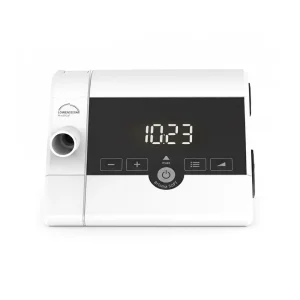
prisma smart plus auto cpap

Why choose it

  • Excellent price-to-performance ratio
  • German engineering reliability
  • Stable therapy performance

👉 Best for: Budget-conscious users who still want quality

💡 Fewer “smart” features than premium models, but extremely dependable.

🔗 Check availability on cpapstore.eu


3. AirSense 10 AutoSet – Proven & Reliable Choice

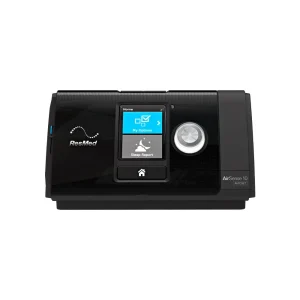
AirSense 10 AutoSet Auto CPAP

Why it’s still popular

  • Proven performance over many years
  • Strong comfort and humidification
  • Widely supported across Europe

👉 Best for: Users who want a reliable, slightly lower-cost alternative

💡 Still one of the best-selling CPAP machines in Europe.

🔗 Check availability on cpapstore.eu | 🔗 Check availability on cpapstore.eu


4. Philips DreamStation 2 – Compact & Travel-Friendly

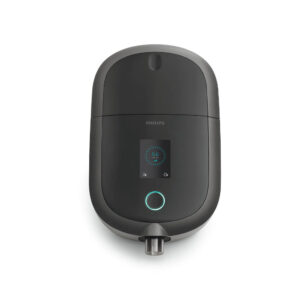
DreamStation 2 Auto CPAP Advanced

Pros

  • Compact and modern design
  • Easy to transport
  • Integrated humidifier

Cons

  • Past recall concerns (important consideration)

👉 Best for: Frequent travelers

💡 Choose only from trusted suppliers with warranty.

🔗 Check availability on cpapstore.eu | 🔗 Check availability on cpapstore.eu


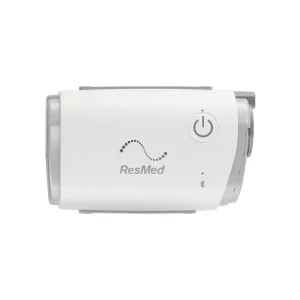
5. Resmed AirMini – Best Travel CPAP Machine

AirMini AutoSet Travel Auto CPAP Machine

Why it’s unique

  • Ultra-compact and lightweight
  • Designed specifically for travel
  • Waterless humidification (HumidX system)

👉 Best for: Travel and portability

💡 Not ideal as a primary machine for all users.

🔗 Check availability on cpapstore.eu


CPAP Machines Comparison (2026)

MachineTypeNoiseComfortBest For
AirSense 11 AutoSetAuto CPAP⭐⭐⭐⭐⭐⭐⭐⭐⭐⭐All users
Prisma Smart PlusAuto CPAP⭐⭐⭐⭐⭐⭐⭐⭐Value
AirSense 10 AutoSetAuto CPAP⭐⭐⭐⭐⭐⭐⭐⭐Reliability
DreamStation 2Auto CPAP⭐⭐⭐⭐⭐⭐⭐⭐Travel
AirMiniTravel CPAP⭐⭐⭐⭐⭐⭐⭐Portability

How to Choose the Right CPAP Machine

1. Auto CPAP vs Fixed CPAP

Always choose Auto CPAP (APAP) if possible

  • Adjusts pressure automatically
  • More comfortable
  • Better long-term compliance

3. Noise Level

Aim for under ~30 dB

  • Important for sleep quality
  • Important for partners

2. Comfort Features

Look for:

  • Humidifier
  • Heated tubing
  • Quiet operation

4. Long-Term Reliability

Top brands in Europe:

  • Resmed
  • Löwenstein
  • Philips (with caution)

Frequently Asked Questions

What is the best CPAP machine in Europe?

The best CPAP machine in Europe is the AirSense 11 AutoSet due to its automatic pressure adjustment, quiet operation, and advanced comfort features.

Which CPAP is best for beginners?

The AirSense 11 AutoSet is best for beginners because it is easy to set up and automatically adjusts pressure during sleep.

What is the quietest CPAP machine?

Most modern CPAP machines are quiet, but the AirSense 11 is among the quietest, operating at around 27 dB.

Can I travel with a CPAP machine?

Yes — especially with compact models like AirMini.

Is Auto CPAP better than fixed CPAP?

Yes, Auto CPAP (APAP) is generally better because it adjusts pressure automatically, improving comfort and therapy effectiveness.


Where to Buy CPAP Machines in Europe

When buying a CPAP machine, always choose a trusted EU supplier that offers:

  • ✔️ 2-year EU warranty
  • ✔️ Fast shipping
  • ✔️ Genuine certified products
  • ✔️ After-sales support

👉 This is especially important for medical devices.

🔗 Explore CPAP machines on cpapstore.eu


Which CPAP Machine Should You Buy?

If you want the best overall performance, choose the AirSense 11 AutoSet. If you are looking for a more affordable option, the Prisma Smart Max offers excellent value. For travel, the AirMini is the best compact solution.


Final Verdict

  • 🥇 Best overall → AirSense 11 AutoSet
  • 💰 Best value → Prisma Smart Max
  • 🧱 Most reliable → AirSense 10
  • ✈️ Best travel-friendly → DreamStation 2

Need help choosing the right CPAP machine? Contact our experts for personalized guidance

Half of CPAP Users Quit therapy

half of cpap users quit here’s why

Here’s Why And How You Can Succeed

It’s a shocking statistic: Nearly 50% of CPAP users stop using their therapy within the first few years.

But here’s the truth most people don’t hear: It’s NOT because CPAP doesn’t work. It’s because no one teaches you how to actually live with it.


CPAP Works — But Adaptation Is Everything

Continuous Positive Airway Pressure (CPAP) therapy is one of the most effective treatments for sleep apnea. When used correctly, it can:

  • Improve sleep quality
  • Reduce daytime fatigue
  • Lower cardiovascular risks
  • Improve overall quality of life

Yet many users struggle—not with the therapy itself—but with the experience.


Why So Many People Give Up

Let’s be honest. Starting CPAP can feel overwhelming.

Common challenges include:

  • Discomfort from the mask
  • Dry nose or throat
  • Feeling claustrophobic
  • Air leaks or noise
  • Difficulty falling asleep with the device

These are real issues—but they are all solvable. The problem? Most users are sent home with a machine… and little to no guidance.


CPAP Is Not “Plug & Play”

One of the biggest misconceptions is that CPAP works instantly without adjustment.

In reality, CPAP is more like:

  • Learning to sleep in a new environment
  • Training your body to accept airflow
  • Finding the right setup for YOUR needs

Without proper support, frustration builds—and many people quit before they experience the benefits.


The Missing Piece: Education & Support

Success with CPAP comes down to one thing: Knowing how to adapt.

That includes:

  • Choosing the right mask type and size
  • Adjusting humidity and comfort settings
  • Learning how to handle leaks
  • Creating a consistent bedtime routine
  • Understanding that adaptation takes time (not one night!)

What Successful CPAP Users Do Differently

People who stick with CPAP usually follow a different approach:

✔ They give themselves time (1–4 weeks min)
✔ They troubleshoot issues early

✔ They adjust—not abandon—the therapy
✔ They seek guidance when something feels off

Most importantly: They understand that discomfort at the beginning is normal—not permanent.


You Don’t Have to Figure It Out Alone

That’s exactly why we offer full, real human support to every customer.

Because CPAP is not just about buying a device — it’s about making it work for you.

With our support, you can:

  • Understand what to expect during the first days and weeks
  • Get practical advice to sleep comfortably with your mask
  • Solve common issues like leaks, dryness, or discomfort
  • Avoid the most common mistakes new users make
  • Stay motivated and confident during your adaptation

Real Support. Real Results.

Unlike many online stores that simply ship a product, we stay with you after the purchase.

  • Need help choosing the right mask?
  • Not sure about your settings?

Something doesn’t feel right?

We’re here to guide you step by step.


Consistency Matters More Than Perfection

One of the most important things to understand is this: Staying in therapy is more important than being perfect from day one.

Even if you don’t manage to use your CPAP for the entire night at the beginning — that’s completely normal.

What matters is that you keep using it.


Start Small. Build Up Gradually.

Adapting to CPAP is a process.

You don’t have to get it right overnight.

  • Use it for a few hours
  • Take breaks if needed
  • Put it back on when you can

Little by little, your body will adjust.

And over time, those few hours will naturally turn into a full night of comfortable sleep.


Final Thought

If you’re struggling with CPAP, don’t give up. You don’t need a new machine — you need the right guidance. And that’s exactly what we provide.

Allergies & CPAP Therapy

allergies and cpap therapy

What Users Need to Know

Are Allergies Affecting Your CPAP Therapy?

If you’re using CPAP therapy and struggling with allergies, you’re not alone. Whether it’s seasonal pollen, dust, or indoor allergens, many CPAP users experience discomfort that can affect both sleep quality and therapy effectiveness.

Symptoms like nasal congestion, sneezing, dryness, or irritation can make CPAP use more challenging — but the good news is that there are simple and effective ways to fix this.


Why Allergies Can Disrupt Your CPAP Therapy

Allergies cause inflammation in your airways, leading to:

  • Blocked or runny nose
  • Sneezing and irritation
  • Dry or burning nasal passages
  • Increased mask leaks
  • Mouth breathing

For CPAP users, this means:

  • Reduced comfort
  • Lower therapy effectiveness
  • Interrupted sleep

What CPAP Users Can Do During Allergy Season

1. Upgrade to Hypoallergenic (Ultra-Fine) Filters

Your CPAP filter is your first line of defense against allergens.

  • Standard filters block larger particles
  • Hypoallergenic (ultra-fine) filters capture smaller particles like pollen, dust, and airborne allergens
  • Ideal for allergy sufferers or sensitive users

This simple upgrade can dramatically improve the air you breathe during therapy.

Pro Tip: Replace filters more frequently during allergy season (every 2–4 weeks)


2. Use a Heated Humidifier

Dry air can worsen allergy symptoms.

  • Always use your CPAP humidifier
  • Adjust humidity levels for comfort

Moist air helps reduce:

  • Nasal irritation
  • Dryness
  • Congestion

3. Clean Your CPAP Equipment More Often

Allergens can accumulate inside your CPAP system.

Recommended cleaning routine:

  • Mask cushion → daily wipe
  • Tube & humidifier → weekly
  • Full system → regular deep clean

Keeping your equipment clean ensures you’re breathing fresh, allergen-free air.


4. Choose the Right Mask Type

If your nose is blocked, your mask choice matters.

  • Full Face Masks → ideal if you breathe through your mouth
  • Nasal masks → good for mild symptoms
  • Nasal pillows → minimal contact, less irritation

The right mask can significantly improve comfort during allergy flare-ups.


5. Use Saline Rinse or Spray Before Sleep

A simple but powerful solution:

  • Clears allergens from nasal passages
  • Helps reduce congestion
  • Improves airflow before using CPAP

Use natural saline solutions — avoid overusing medicated sprays unless prescribed


6. Keep Your Bedroom Allergy-Free

Your environment plays a big role in your therapy success.

  • Wash sheets regularly
  • Use anti-allergy pillow covers
  • Vacuum frequently
  • Avoid open windows during high pollen days

Cleaner environment = better breathing at night


7. Monitor Your Therapy Data

Allergies can affect your CPAP performance.

Keep an eye on:

  • Leak rate
  • AHI (Apnea-Hypopnea Index)
  • Usage hours

If something changes, your setup may need adjustment


When to Seek Medical Advice

If symptoms persist despite adjustments:

  • Consult a doctor or ENT specialist
  • Check for chronic sinus issues
  • Review your CPAP pressure settings

Final Thoughts

Allergies don’t have to ruin your CPAP therapy.

  • With the right approach:
  • Use hypoallergenic filters
  • Maintain proper humidity
  • Keep your equipment clean
  • Choose the right mask
  • Control your sleep environment

You can enjoy comfortable, effective therapy all year round


Keep Your Therapy at Its Best

If you’re dealing with allergies, small upgrades can make a big difference.

Explore:

  • Hypoallergenic CPAP filters
  • Heated humidifiers
  • CPAP masks for every breathing style
  • Cleaning solutions & wipes

…and take control of your sleep again.

Resmed AirSense 11 AutoSet Review

resmed airsense 11 autoset review

Resmed AirSense 11 AutoSet Review – Smart, Silent & Advanced Auto CPAP Therapy

In this detailed Resmed AirSense 11 AutoSet review, we analyze its advanced AutoSet algorithm, integrated Climate Control system, and ultra-quiet motor performance.

The AirSense 11 AutoSet is one of the most advanced automatic CPAP machines available in Europe, designed to deliver precise pressure adjustments, enhanced comfort, and reliable long-term sleep apnea therapy.

If you are considering upgrading your CPAP device or starting automatic CPAP therapy, this review covers everything you need to know.


What Is the Resmed AirSense 11 AutoSet?

The Resmed AirSense 11 AutoSet is an automatic CPAP (APAP) device designed to treat Obstructive Sleep Apnea (OSA). Unlike fixed-pressure CPAP machines, it continuously adjusts pressure throughout the night based on your breathing events.

This intelligent adaptation improves comfort while maintaining effective therapy.


Advanced AutoSet Algorithm – How It Works

The core strength of the AirSense 11 AutoSet lies in Resmed’s proven AutoSet algorithm.

Key Capabilities:

  • Detects flow limitation
  • Responds to snoring
  • Identifies obstructive apneas
  • Adjusts pressure breath-by-breath
  • Avoids unnecessary pressure increases

Instead of delivering constant high pressure, the device increases pressure only when needed and lowers it once breathing stabilizes.

Why This Matters

  • Improved therapy comfort
  • Better long-term compliance
  • Reduced mask leaks
  • Less sleep disturbance

For patients with variable pressure needs, this intelligent system makes a noticeable difference.


Climate Control Technology – Balanced Humidity All Night

One of the most important comfort features in this Resmed AirSense 11 AutoSet review is its integrated Climate Control system.

When used with the heated humidifier and ClimateLine heated tubing, the device:

  • Automatically adjusts humidity levels
  • Maintains stable air temperature
  • Reduces dryness in nose and throat
  • Minimizes condensation (rainout)
  • Improves overall therapy comfort

The system adapts to room temperature and environmental conditions, making it ideal for year-round use across Europe.


Ultra-Quiet Operation – Designed for Light Sleepers

The AirSense 11 AutoSet is engineered for silent performance.

Quiet Performance Features:

  • Advanced internal motor design
  • Optimized airflow pathway
  • Reduced vibration output
  • Discreet bedside presence

The device operates at a very low sound level, making it suitable for:

  • Light sleepers
  • Shared bedrooms
  • Couples
  • Travel use

Quiet CPAP therapy is one of the most requested features among European CPAP users — and the AirSense 11 delivers consistently.


Modern Design & User-Friendly Interface

Beyond performance, the AirSense 11 AutoSet offers:

  • Compact, sleek design
  • Integrated heated humidifier
  • Large color touchscreen
  • Easy navigation menu
  • Universal EU power compatibility

Its minimal footprint makes it ideal for bedside use or travel within the EU.


Who Is the AirSense 11 AutoSet Best For?

This device is ideal for:

  • Newly diagnosed sleep apnea patients
  • Users upgrading from older CPAP models
  • Patients needing automatic pressure adjustments
  • Individuals experiencing dryness with standard CPAP
  • Long-term CPAP users seeking premium comfort

Pros and Benefits

✔ Advanced AutoSet algorithm
✔ Integrated Climate Control
✔ Ultra-quiet motor
✔ Automatic pressure adaptation
✔ Premium build quality
✔ Suitable for EU use


Is the Resmed AirSense 11 AutoSet Worth It?

In this Resmed AirSense 11 AutoSet review, the conclusion is clear:

  • The device combines intelligent pressure delivery, advanced humidity control, and quiet operation in a modern design. It remains one of the top automatic CPAP machines currently available in Europe.
  • For users seeking reliable and comfortable sleep apnea therapy, the AirSense 11 AutoSet is a leading choice.

Frequently Asked Questions

Is the AirSense 11 AutoSet fully automatic?

Yes. It automatically adjusts pressure throughout the night using Resmed’s advanced AutoSet algorithm.

Does the AirSense 11 include a humidifier?

Yes. It features an integrated heated humidifier with Climate Control compatibility (optional).

Is the AirSense 11 AutoSet quiet?

Yes. It is designed for ultra-quiet operation, suitable for shared bedrooms.

Can it be used across Europe?

Yes. It is compatible with EU power standards and ideal for European users.

Resmed AirFit F40 Full Face Mask Review

airfit f40 review

Is This the Best New Full Face CPAP Mask in Europe?

The Resmed AirFit F40 is one of the newest full face CPAP masks in Europe, and it’s already changing how people think about full face therapy.

For years, users had to choose between:

  • strong seal but bulky masks
  • minimal masks but unstable fit

The AirFit F40 brings a different philosophy: full face protection with minimal contact and modern comfort. If you’re searching for the best CPAP mask in Europe — or comparing the F40 with Evora Full Face, Amara View, and BMC F6 — this guide explains everything you need to know.

What Makes the AirFit F40 Different?

The AirFit F40 isn’t a traditional full face mask. It’s designed as a low-profile hybrid, combining modern materials with an under-nose cushion.

Key Highlights

  • Ultra-compact frame — less facial contact
  • Soft silicone cushion that adapts to movement
  • Magnetic clips for fast removal
  • Stable seal even for side sleepers
  • Reduced pressure marks on the nose bridge
  • Quiet airflow diffusion
  • Ideal for restless sleepers

This design helps users who previously avoided full face masks due to claustrophobia or discomfort.

AirFit F40 vs Evora Full Face vs Amara View vs BMC F6

Choosing a mask isn’t about “best overall.” It’s about best for your sleep style.

FeatureAirFit F40Evora Full FaceAmara ViewBMC F6
ProfileVery lowMediumMinimalMedium
Comfort⭐⭐⭐⭐⭐⭐⭐⭐⭐⭐⭐⭐⭐
Seal stability⭐⭐⭐⭐⭐⭐⭐⭐⭐⭐⭐⭐⭐⭐
Best forSide sleepersTraditional usersMinimalistsBudget buyers
Claustrophobic friendlyExcellentModerateExcellentModerate
Price categoryMidMid-highMidBudget

Who Should Choose the AirFit F40 from cpapstore.eu?

The AirFit F40 is ideal if you:

✔ breathe through mouth + nose
✔ move a lot during sleep
✔ sleep on your side
✔ dislike bulky masks
✔ want modern comfort materials
✔ want fewer red marks on your face
✔ are upgrading from older full face masks

It’s especially popular among users switching from traditional masks like Amara or older generation full face models.


Why Full Face Masks Matter for Sleep Apnea Therapy

Full face CPAP masks are recommended when:

  • mouth breathing is unavoidable
  • nasal congestion is common
  • higher pressure settings are needed
  • nasal masks leak frequently

A well-fitted full face mask improves therapy compliance and reduces nighttime interruptions — which directly impacts energy, heart health, and long-term sleep quality. The AirFit F40 aims to remove the biggest complaint users have always had: bulk and discomfort.


Buying the Right CPAP Mask in Europe from cpapstore.eu

When buying a CPAP mask online in Europe, always choose:

✔ authorized CPAP specialists
✔ original manufacturer products
✔ size fitting support
✔ replacement part availability
✔ fast EU shipping
✔ hygienic packaging

A CPAP mask is a medical device used every night — professional guidance matters.


Final Verdict: Is the AirFit F40 Worth It?

If you want a modern, low-profile full face CPAP mask that balances comfort, seal, and freedom of movement — the AirFit F40 is one of the best options currently available in Europe.

It’s not just an upgrade. It’s a redesign of what a full face mask should feel like.

CPAP and Your Partner: Improving Sleep for Couples

cpap and your partner improving sleep for couples

Sleep apnea doesn’t just affect one person — it affects the entire bed.

Many couples struggle silently when one partner starts CPAP therapy. There can be worries about noise, appearance, intimacy, and sleep disruption. These concerns are normal, but they are also solvable. In fact, most couples report that CPAP improves their relationship once they adjust.

Here’s how to make CPAP therapy work for both of you.


How Sleep Apnea Impacts Relationships

Before CPAP, many partners already suffer from:

  • Loud snoring
  • Restless sleep
  • Nighttime choking sounds
  • Frequent awakenings
  • Separate sleeping arrangements
  • Daytime irritability and fatigue

Sleep deprivation can lead to tension, arguments, and emotional distance. When one partner is exhausted, both partners feel the impact.

CPAP therapy is not just medical treatment — it’s relationship therapy for sleep.


The Noise Question: Is CPAP Loud?

One of the biggest fears is machine noise.

Modern CPAP machines are extremely quiet. Most operate between 25–30 decibels, which is softer than a whisper or gentle rain.

Many partners say: “The CPAP is quieter than the snoring it replaced.”

If noise is still noticeable:

  • Place the machine slightly below mattress level
  • Use a soft surface or vibration pad
  • Keep tubing from touching the headboard
  • Clean filters regularly

Often, the partner sleeps better once snoring disappears.


Sleeping Close With a CPAP Mask

Physical closeness is important in relationships. Some people worry the mask creates distance or awkwardness.

The truth: couples adapt quickly.

Tips for staying comfortable together:

  • Choose a low-profile mask design
  • Use flexible tubing to reduce pulling
  • Position the hose above the headboard
  • Try side-sleeping friendly masks
  • Keep lighting low to reduce self-consciousness

Communication helps. Talk openly about comfort instead of avoiding the topic.

CPAP becomes part of the nightly routine — just like brushing teeth.


CPAP and Intimacy: Let’s Talk Honestly

Many couples worry CPAP will affect intimacy.

In reality, untreated sleep apnea often reduces intimacy more than CPAP ever could.

Sleep apnea can cause:

  • Low energy
  • Mood changes
  • Reduced libido
  • Hormonal imbalance
  • Irritability
  • Emotional distance

Better sleep improves:

  • Energy levels
  • Mood
  • Confidence
  • Attraction
  • Emotional connection

You don’t wear the mask during intimacy — only during sleep. The therapy supports the relationship by restoring health and vitality.

Most couples report improved closeness after consistent treatment.


Choosing a Quiet, Couple-Friendly CPAP Setup

Some equipment choices can make shared sleep easier.

Look for:

  • Ultra-quiet CPAP machines
  • Soft mask cushions
  • Minimal-contact masks
  • Heated humidifiers for comfort
  • Flexible lightweight tubing

Comfortable equipment reduces disturbances and increases therapy success.

👉 Quiet CPAP machines category
👉 Minimal-contact masks


Supporting Your Partner Through CPAP Adjustment

The first weeks matter.

Partners can help by:

  • Encouraging consistent use
  • Being patient with the adjustment period
  • Celebrating small improvements
  • Helping maintain cleaning routines
  • Offering emotional support

Sleep apnea is a shared journey. Couples who treat it as a team adapt faster.


When Couples Start Sleeping Better Together

Once therapy stabilizes, many couples notice:

  • Quieter nights
  • Deeper shared sleep
  • Better moods
  • More energy
  • Less tension
  • Stronger emotional connection

Better sleep changes daily life — not just nighttime.

CPAP is not a barrier. It’s a bridge back to restful sleep and a healthier relationship.


Frequently Asked Questions

Will my partner be bothered by the mask?

Most partners adjust quickly. The disappearance of snoring outweighs any visual concern.

Can we cuddle with CPAP?

Yes. With proper hose positioning and mask choice, closeness is still easy.

Is CPAP embarrassing?

It may feel strange at first, but confidence grows quickly once sleep improves.

What if my partner complains?

Open communication helps. Often the complaint is temporary and fades as benefits appear.


Final Thoughts

CPAP therapy is not just about breathing. It’s about restoring sleep, energy, patience, and connection. Healthy sleep strengthens relationships. Couples who support each other through therapy often come out stronger than before. You’re not sleeping apart — you’re healing together.

CPAP 101: Sleep Apnea Basics for Newly Diagnosed Patients

cpap 101 sleep apnea basics for newly diagnosed patients

Being diagnosed with sleep apnea can feel overwhelming. Many patients leave the clinic with a CPAP prescription but still have dozens of unanswered questions:

What is happening to my body? Will I have to use this machine forever? Will I ever sleep normally again?

The good news: sleep apnea is highly treatable — and CPAP therapy is one of the most effective treatments in modern medicine. This beginner guide explains everything you need to know in simple language.


What Is Sleep Apnea?

Sleep apnea is a condition where breathing repeatedly stops and starts during sleep. These pauses can last from a few seconds to over a minute and may happen dozens or even hundreds of times per night.

Each time breathing stops, your brain briefly wakes you to restart airflow. Most people don’t remember these awakenings — but their sleep becomes fragmented and poor in quality.

Common symptoms include:

Untreated sleep apnea increases the risk of:

  • Loud snoring
  • Gasping or choking during sleep
  • Morning headaches
  • Daytime fatigue
  • Brain fog and poor concentration
  • Irritability or mood changes
  • High blood pressure
  • Heart disease
  • Stroke
  • Diabetes
  • Memory problems

That’s why treatment is so important.

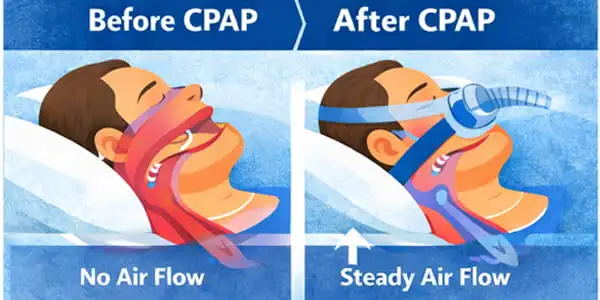
with and without cpap

What Does CPAP Mean?

CPAP stands for Continuous Positive Airway Pressure.

A CPAP machine gently pushes air through a mask to keep your airway open while you sleep. The air pressure acts like an invisible splint, preventing the throat from collapsing.

You are still breathing naturally — the machine only assists airflow.

Think of it as: Glasses for your breathing at night. It doesn’t cure sleep apnea permanently, but it controls it extremely effectively.


How CPAP Therapy Improves Your Life

Most patients notice changes within days or weeks.

Benefits of consistent CPAP use:

  • Deeper, more restorative sleep
  • Increased daytime energy
  • Better concentration and memory
  • Reduced snoring
  • Lower blood pressure
  • Improved heart health
  • Better mood and mental clarity

Many people say: “I didn’t realize how exhausted I was until I started sleeping properly again.”


What to Expect in Your First Weeks

Adjusting to CPAP is a learning process — not an overnight transformation.

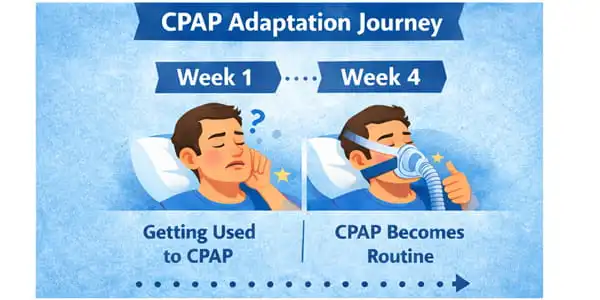
The first 2–4 weeks are about adaptation.

Normal beginner experiences:

  • Feeling strange wearing a mask
  • Mild air leaks
  • Dry mouth or nose
  • Removing the mask during sleep
  • Light sleep interruptions

These are temporary and manageable. Consistency is the key. Even wearing the mask for a few hours each night builds tolerance.

1 4 weeks of cpap

Choosing the Right CPAP Mask

Comfort determines success.

There are three main mask types:

Nasal masks

Cover the nose only
Best for: side sleepers, light breathers

Nasal pillow masks

Minimal contact with the face
Best for: active sleepers

Full face masks

Cover nose and mouth
Best for: mouth breathers

There is no universal “best” mask — only the best mask for you. Mask fit matters more than brand.


Cleaning and Maintenance Basics

Clean equipment = better health and longer machine life.

Daily:

  • Rinse mask cushion
  • Empty humidifier water

Weekly:

  • Wash mask and tubing
  • Clean humidifier chamber
  • Replace distilled water

Every few months:

  • Replace filters
  • Inspect mask cushions
  • Check tubing for wear

Regular maintenance prevents infections and keeps airflow optimal. click here for more details


Will I Need CPAP Forever?

Sleep apnea is usually a chronic condition.

Some patients improve with:

  • Weight loss
  • Surgery
  • Oral appliances
  • Lifestyle changes

But CPAP remains the gold standard treatment for moderate to severe sleep apnea. Using CPAP consistently is safer than stopping therapy prematurely. Think long-term health, not short-term inconvenience.


Tips for CPAP Success

  • Wear it every night (even naps)
  • Adjust straps gradually — not too tight
  • Use humidification if you feel dryness
  • Replace worn mask cushions
  • Track your sleep data
  • Ask for help when needed

Success is not perfection. Success is consistency.


Frequently Asked Questions

Is CPAP painful?

No. The pressure feels unusual at first, but not painful. Most people adapt quickly.

What if I feel claustrophobic?

Start by wearing the mask while awake for 10–15 minutes daily. Gradual exposure builds comfort.

Can I travel with CPAP?

Yes. CPAP machines are approved medical devices and allowed on airplanes worldwide.

Will I sleep normally again?

Yes — and often better than you have in years.


Final Thoughts

Being diagnosed with sleep apnea is not a setback. It’s the beginning of better sleep, better health, and a better quality of life. CPAP therapy works. Millions of people use it successfully every night. The first step is patience. The second step is consistency. The result is life-changing sleep.

CPAP 101: Sleep Apnea Basics for Newly Diagnosed Patients

The Ultimate Winter CPAP Comfort Guide

The Ultimate Winter CPAP Comfort Guide

Stay warm, breathe easier, sleep better — even on the coldest nights.

Winter brings unique challenges for CPAP users. Cold air, dry indoor heating, and changes in humidity often lead to nasal dryness, condensation in the tube, discomfort, and leaks.

This guide gives you the essential winter tips to keep your CPAP therapy smooth, comfortable, and consistent — no matter how cold it gets.

Why Winter Affects Your CPAP Therapy

During colder months, many users experience:

  • Nasal and throat dryness
  • Cold air sensation during inhalation
  • Condensation (rainout) inside the tube
  • Mask seal changes due to temperature
  • More frequent colds → need for extra hygiene

Small adjustments in settings and equipment can dramatically improve comfort.

Increase Your Humidifier Level

Your humidifier is the #1 tool for winter CPAP comfort.

Tips:

  • Increase humidity by 1–3 levels compared to summer.
  • On Resmed AirSense 10 or AirSense 11, use Climate Control Auto for balanced humidity & temperature.
  • Always use distilled water to avoid mineral build-up.

Signs you need more humidity:
Morning dryness, burning sensation, dehydration headaches.

Heated Tube = No More Rainout

Cold rooms create condensation inside the tube — the classic CPAP “rainout.”

A heated tube like the ClimateLineAir helps by:

  • Keeping air temperature stable
  • Eliminating condensation
  • Improving overall breathing comfort

Alternative:
Use a fabric or wool hose cover for passive insulation.

Set the Ideal Air Temperature (27°C – 30°C)

If the air feels cold on your face, adjust your Climate Control temperature to:

27°C – 30°C

This provides a neutral, comfortable airflow that prevents irritation.

Proper CPAP Device Placement

Avoid placing your CPAP:

  • On a cold floor
  • Near a window
  • In drafty areas

Best location:
On your nightstand, slightly higher than the level of your mask.
This reduces rainout and keeps airflow stable.

Winter Hygiene Matters Even More

Winter usually means more colds — so your cleaning routine becomes crucial.

Essential routine:

  • Daily mask washing
  • Clean humidifier chamber & tube 2–3 times a week
  • Replace the CPAP filter every 1 month
  • Keep an extra silicone cushion so each one can dry fully

For Very Cold Rooms: The “2-Minute Technique”

If your bedroom is very cold:

  1. Start the CPAP with heated tube on
  2. Let it run 1–2 minutes
  3. Allow the air to warm up
  4. Then wear your mask

Instant comfort.

What If You Have a Cold?

A cold doesn’t mean you should stop CPAP therapy.

Tips that help:

  • Use saline nasal spray 10 minutes before bed
  • If your nose is blocked, switch to a full-face mask (F20, F30, F40)
  • A small temporary pressure reduction may help
    (only with medical guidance)

Quick Winter Hacks for Better Sleep

  • Drink a little water before bed
  • Avoid air-conditioners in “dry mode”
  • Don’t place a room humidifier next to your CPAP
  • Keep a second cushion for rotation
  • Place your device 20–30 cm higher than the mask to reduce condensation

Winter CPAP Essentials

Perfect add-ons to stay comfortable:

  • ClimateLineAir Heated Tube
  • HumidAir Water Chamber
  • Full-face mask for cold-season congestion
  • Fabric hose cover
  • Extra silicone cushion for hygiene & comfort

Winter CPAP Checklist

  • Humidity increased
  • Heated tube on
  • Temperature set to 27–30°C
  • Daily mask cleaning
  • Fresh filter every month

10 Hacks to Make CPAP More Comfortable

10 Hacks to Make CPAP More Comfortable

10 Practical Hacks to Make CPAP Therapy More Comfortable

Living with sleep apnoea often means that CPAP therapy becomes a nightly routine. While CPAP machines are highly effective, many patients in Europe and worldwide struggle with comfort—especially when starting treatment.

The good news: with the right setup and small adjustments, your CPAP can feel natural, comfortable, and even enjoyable. Here are 10 practical hacks to make CPAP therapy more comfortable, whether you’re in Greece, Ireland, Germany, Spain I, or anywhere across the EU.

1. Choose the Right Mask for Your Sleeping Style

Every sleeper is different.

  • Side sleepers: nasal pillows or compact nasal masks are less intrusive.
  • Back sleepers: full-face masks may provide better stability.
    If your mask leaks or leaves marks, it may not be the right fit. In the EU market, leading brands like Resmed, Philips, Löwenstein, and BMC offer multiple options to suit different needs.

2. Use Mask Liners to Prevent Irritation

Mask liners create a soft layer between the cushion and your skin. They help avoid redness, irritation, and morning marks. Especially popular in warm climates like Greece and Southern Europe, they also reduce sweating around the mask seal.

3. Adjust Humidity and Temperature

Dryness and congestion are common CPAP complaints. Modern CPAPs such as the Resmed AirSense 11 or Philips DreamStation 2 come with integrated humidifiers and heated tubing. Adjusting these settings helps prevent dry mouth and keeps therapy comfortable.

4. Keep Your CPAP Clean with a Routine

A clean device is essential for hygiene and comfort. Wash your mask, tubing, and humidifier chamber with mild soap and warm water. In the EU, guidelines recommend daily mask cleaning and weekly deep cleaning of tubing. This ensures fresh air and prevents unpleasant odours.

5. Use a CPAP Pillow for Better Positioning

Special CPAP pillows with side cut-outs are ideal for patients in Europe, where side-sleeping is common. These pillows prevent your mask from being pressed against your face, reducing leaks and improving comfort.

6. Manage Noise with Smart Setup

Modern devices are very quiet (below 30 dB), but positioning them correctly makes a difference. Place your CPAP slightly lower than your mattress and on a soft surface. This small adjustment minimises vibrations and helps light sleepers rest easier.

7. Prevent Condensation with Heated Tubes

If you notice water droplets in your tubing (“rainout”), especially during cold European winters, a heated tube keeps airflow warm and consistent. No more waking up with a damp mask or gurgling hose!

8. Build Consistency into Your Routine

Wearing CPAP every night—including naps—helps your body adjust faster. Many European sleep clinics emphasise consistent daily use as the key factor in long-term success.

9. Use a CPAP Battery for Travel and Power Cuts

From island hopping in Greece to business trips in Germany, a portable CPAP battery gives you peace of mind. It ensures uninterrupted therapy during travel, camping, or power outages.

10. Make CPAP Part of Your Bedtime Ritual

Transform CPAP use into a positive ritual: read a book, play calming music, or try CPAP-compatible aromatherapy (unscented or safe essential oils). A relaxed mindset improves compliance and makes therapy feel natural.

Final Thoughts

CPAP therapy works best when it feels comfortable. By making small adjustments and using the right accessories, you can enjoy better sleep, improved energy, and long-term health benefits.