
Author Archives: CPAP Store

Comparison of the AirFit F20 and AirTouch F20 CPAP Masks

When it comes to Continuous Positive Airway Pressure (CPAP) therapy, the choice of mask can significantly impact the effectiveness of treatment and the overall comfort of the user. Two of the most popular full-face CPAP masks on the market are the AirFit F20 and the AirTouch F20 from ResMed. While both masks are designed to provide a secure and comfortable fit, they have some key differences that might make one a better choice for you than the other. This article will break down these differences to help you make an informed decision.

F20 AirTouch
Foam
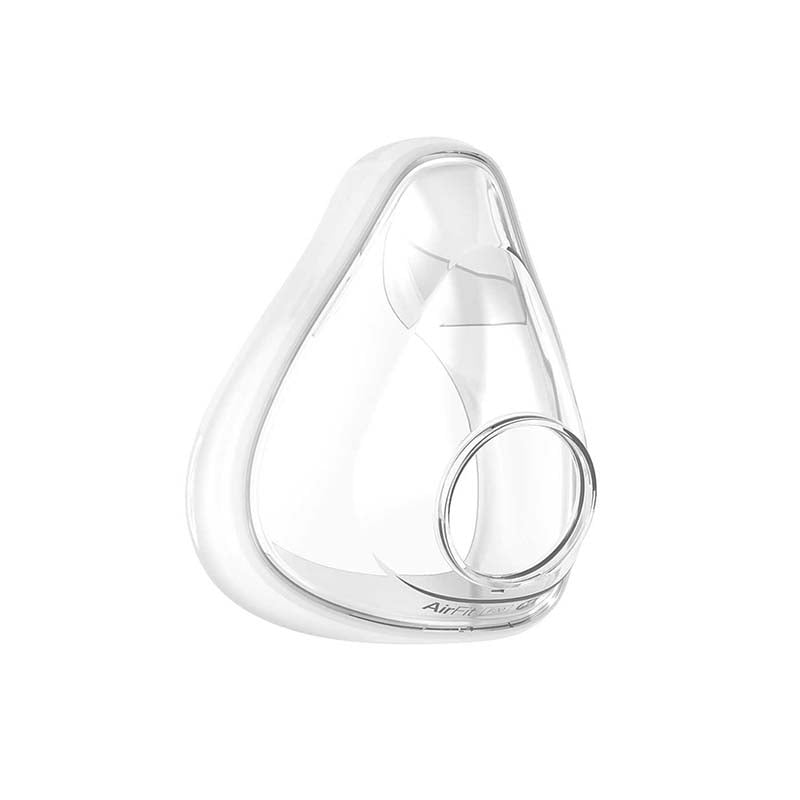
F20 AirFit
Cushion

F20 Cushion Material

The most significant difference between the AirFit F20 and the AirTouch F20 lies in the material used for the cushion that makes contact with your face.

  • AirFit F20: This mask features a cushion made of traditional silicone. Silicone cushions are known for their durability, easy maintenance, and the ability to create a strong seal against the skin. The silicone cushion in the AirFit F20 is soft and flexible, conforming to the face to reduce leaks while maintaining comfort throughout the night.
  • AirTouch F20: The AirTouch F20, on the other hand, uses an UltraSoft memory foam cushion. Memory foam provides a more adaptive fit that conforms closely to the contours of the face. This material is especially beneficial for users with sensitive skin, as it reduces the risk of skin irritation and pressure sores. However, the memory foam cushion needs to be replaced more frequently (approximately every 30 days) compared to the silicone cushion, which is more durable.

F20 Comfort and Fit

Both masks are designed to offer comfort and a secure fit, but the materials used for the cushion impact how each mask feels on the face.

  • AirFit F20: The silicone cushion is slightly firmer compared to memory foam, which some users may find reassuring as it feels more secure. It is also less likely to shift during sleep, maintaining a strong seal even if you move around a lot at night.
  • AirTouch F20: The memory foam cushion of the AirTouch F20 is softer and more pliable, providing a more personalized fit. This can be particularly advantageous for those who experience discomfort or pressure points with silicone cushions. However, because the foam is softer, it might require more frequent adjustments to maintain an optimal seal.

Maintenance and Durability

Maintenance and the longevity of the mask are crucial factors to consider, especially for those looking for low-maintenance options.

  • AirFit F20: The silicone cushion is easy to clean and can be wiped down daily. It is more resistant to oils and sweat from the skin, making it more durable over time. Generally, the silicone cushion can last several months before needing to be replaced.
  • AirTouch F20: The memory foam cushion of the AirTouch F20 is not washable and should only be wiped with a dry cloth. The foam is more susceptible to wear and tear, meaning it needs to be replaced more frequently, about every 30 days. This can lead to higher maintenance costs over time compared to the silicone cushion.

Interchangeability of Cushions

One of the advantages of choosing between the AirFit F20 and AirTouch F20 masks is that the cushions are interchangeable.

  • Cushion Interchangeability: If you already own one of these masks, you can switch between the silicone cushion from the AirFit F20 and the memory foam cushion from the AirTouch F20 without needing to purchase an entirely new mask. This flexibility allows you to experiment with both types of cushions to determine which one you prefer or to switch based on your skin’s needs or comfort preferences over time. For example, you might use the silicone cushion for durability and lower maintenance, and the memory foam cushion during periods when you need extra softness and comfort.

User Experience and Preferences

Ultimately, the choice between the AirFit F20 and the AirTouch F20 may come down to personal preference and specific needs.

  • AirFit F20: This mask is often favored by users who prioritize durability and a firm, reliable seal. The silicone cushion’s robustness makes it a go-to choice for those who want a mask that requires less frequent replacement and is easy to clean.
  • AirTouch F20: The AirTouch F20 is ideal for users who seek maximum comfort and have sensitive skin. The softness of the memory foam cushion is a significant draw, providing a gentle and cushioned feel that reduces pressure marks and irritation. However, users should be prepared for the need to replace the cushion more frequently.

Cost Considerations

The initial cost of both masks is generally similar, but the ongoing cost of replacement cushions can differ.

  • AirFit F20: The cost is generally lower in the long run due to the durability of the silicone cushion, which does not require frequent replacement.
  • AirTouch F20: While the upfront cost is comparable to the AirFit F20, the need to replace the memory foam cushion every 30 days can lead to higher ongoing expenses.

Conclusion

Both the AirFit F20 and AirTouch F20 are excellent CPAP masks, each with its own strengths. The AirFit F20 is better suited for those who value durability and easy maintenance, while the AirTouch F20 is ideal for users who prioritize comfort, especially if they have sensitive skin.

The ability to interchange the cushions between these two masks adds another layer of convenience and flexibility, allowing you to customize your CPAP experience to your needs. Whether you choose the AirFit F20 for its long-lasting silicone cushion or the AirTouch F20 for its soft and adaptive memory foam cushion, you can rest assured that you are getting a high-quality mask that will enhance the effectiveness and comfort of your CPAP therapy.

Getting Used to Your CPAP: Essential Tips for a Comfortable Experience

Continuous Positive Airway Pressure (CPAP) therapy is a common treatment for sleep apnea, a condition that causes interruptions in breathing during sleep. While CPAP can significantly improve sleep quality and overall health, many users find it challenging to adjust to the equipment. Here are some essential tips to help you get used to your CPAP and make the most out of your therapy.

Practice Breathing Through the Mask

One of the initial hurdles in CPAP therapy is getting comfortable with the mask. To ease this transition, start by practicing breathing through the mask while you’re awake. Put on the mask and spend some time each day just sitting and breathing normally. Gradually increase the duration until it feels natural. This practice helps your body adapt to the sensation of the mask and airflow, making it easier to fall asleep with it on.

Use Your CPAP Mask Every Time You Sleep

Consistency is key when adjusting to CPAP therapy. Make it a habit to use your CPAP mask every time you sleep, including naps. Regular use helps your body and mind get used to the equipment, leading to a more comfortable experience over time. Skipping nights can make it harder to adjust and diminish the effectiveness of your treatment.

Ensure the Mask is Properly Fitted

A well-fitted mask is crucial for comfort and effectiveness. Masks that are too loose can cause air leaks, while those that are too tight can lead to discomfort and skin irritation. Work with your healthcare provider or a CPAP specialist to find a mask that fits your face properly. Many types of masks are available, including nasal pillows, nasal masks, and full-face masks. Don’t hesitate to try different options to find the one that suits you best.

Use a CPAP Humidifier

Dry air from the CPAP machine can cause nasal congestion, dryness, and discomfort. Using a CPAP humidifier adds moisture to the air, making breathing more comfortable. Most CPAP machines have built-in humidifiers, and you can adjust the humidity level to find what works best for you. This addition can make a significant difference in your comfort, especially if you live in a dry climate or are prone to nasal dryness.

Ask Your Doctor About CPAP Comfort Settings

Modern CPAP machines come with various comfort settings, such as ramp time and exhalation relief. Ramp time gradually increases the air pressure to the prescribed level, allowing you to fall asleep more comfortably. Exhalation relief reduces the pressure slightly when you exhale, making breathing feel more natural. Talk to your doctor or CPAP provider about these settings and adjust them to enhance your comfort.

Wash Your Face Before Putting on the Mask

A clean face can prevent skin irritation and improve the seal of your CPAP mask. Wash your face with a gentle cleanser before putting on the mask each night. This routine removes oils and dirt that could cause irritation or interfere with the mask’s fit. Additionally, keeping your mask clean is essential. Follow the manufacturer’s instructions for regular cleaning to maintain hygiene and ensure the mask functions correctly.

Final Thoughts

Adjusting to CPAP therapy can take time, but with patience and the right strategies, it can become a comfortable part of your nightly routine. Practice breathing with the mask, use it consistently, ensure a proper fit, utilize a humidifier, explore comfort settings, and maintain good facial hygiene to enhance your experience. Remember, your healthcare provider is a valuable resource; don’t hesitate to reach out for additional support and advice. With these tips, you’ll be well on your way to enjoying the benefits of improved sleep and better health.

CPAP Humidifier Maintenance and Water Type

Using a CPAP (Continuous Positive Airway Pressure) device can significantly improve the quality of life for individuals with sleep apnea. A critical component of these devices is the humidifier, which ensures that the air delivered is moist and comfortable, preventing dryness and irritation. Proper maintenance of the CPAP humidifier is essential to ensure its longevity and efficiency, as well as your health. In this article, we’ll cover everything you need to know about maintaining your CPAP humidifier and the type of water you should use.

Why is Humidification Important in CPAP Therapy?

Humidification in CPAP therapy helps to:

  • Prevent Dryness: It prevents dryness in the nasal passages, mouth, and throat.
  • Reduce Irritation: It reduces irritation that can be caused by the continuous flow of air.
  • Enhance Comfort: It enhances overall comfort, leading to better adherence to therapy.

Types of Water for CPAP Humidifiers

The type of water you use in your CPAP humidifier is crucial for its maintenance and your health. Here are the recommended types of water:

  1. Distilled Water:
    • Why Use It? Distilled water is free from minerals and impurities that can accumulate in the humidifier and potentially enter your airways.
    • Benefits: It prevents mineral buildup, which can damage the humidifier and reduce its efficiency. It also minimizes the risk of respiratory issues caused by inhaling mineral particles.
  2. Tap Water:
    • Why Avoid It? Tap water contains minerals, chlorine, and other impurities.
    • Drawbacks: Regular use of tap water can lead to mineral deposits, which are difficult to clean and can harbor bacteria.
  3. Bottled Water:
    • Why Use Caution? Not all bottled water is created equal. Some bottled water contains minerals similar to tap water.
    • Recommendations: If distilled water is unavailable, use bottled water labeled as purified or with low mineral content.

Daily Maintenance of CPAP Humidifiers

Daily maintenance is essential to keep your CPAP humidifier functioning properly and to ensure a hygienic environment.

  1. Empty the Water Chamber:
    • Why? Prevents bacterial growth and mineral buildup.
    • How? After each use, carefully empty any remaining water from the chamber.
  2. Rinse the Chamber:
    • Why? Keeps the chamber clean and free from residues.
    • How? Rinse the chamber with warm, clean water. Avoid using soap or detergents daily, as they can leave residues.

Weekly Maintenance of CPAP Humidifiers

Weekly maintenance involves a more thorough cleaning to ensure optimal performance and hygiene.

  1. Disassemble the Humidifier:
    • Why? Allows for thorough cleaning of all components.
    • How? Remove the water chamber from the CPAP machine and disassemble any parts that can be separated.
  2. Clean with Mild Soap:
    • Why? Removes buildup and prevents bacterial growth.
    • How? Wash the chamber and any removable parts with mild soap and warm water. Rinse thoroughly to ensure no soap residue remains.
  3. Soak in Vinegar Solution:
    • Why? Disinfects and removes mineral deposits.
    • How? Soak the components in a solution of one part white vinegar to three parts water for about 15-30 minutes. Rinse thoroughly with water afterward.
  4. Air Dry:
    • Why? Prevents mold and bacterial growth.
    • How? Allow all parts to air dry completely before reassembling the humidifier.

Additional Tips for CPAP Humidifier Maintenance

  • Inspect Regularly: Regularly inspect the water chamber for cracks or discoloration and replace it if necessary.
  • Use Only Approved Parts: Always use manufacturer-approved parts and accessories for your CPAP device.
  • Avoid Scented Additives: Do not add any scented oils or additives to the water, as these can damage the humidifier and irritate your airways.
  • Follow Manufacturer’s Instructions: Adhere to the cleaning and maintenance guidelines provided by the manufacturer of your CPAP device.

Conclusion

Proper maintenance of your CPAP humidifier is crucial for ensuring effective and comfortable therapy. Using distilled water and adhering to a regular cleaning schedule will prevent issues such as mineral buildup and bacterial contamination. By taking these simple steps, you can prolong the life of your CPAP device and enhance your overall health and well-being.

Remember, a well-maintained CPAP humidifier not only ensures the device works efficiently but also makes your sleep therapy more comfortable and effective. Happy breathing and sweet dreams!

Can Sleep Apnea Be Cured Understanding Treatment and Management Options

Sleep apnea is a common yet serious sleep disorder that affects millions of people worldwide. Characterized by repeated interruptions in breathing during sleep, it can lead to various health issues, including daytime fatigue, cardiovascular problems, and increased risk of accidents. One of the most pressing questions for those diagnosed with sleep apnea is whether it can be cured. In this article, we will explore the current understanding of sleep apnea, its causes, and the available treatments and management strategies.

Understanding Sleep Apnea

There are three main types of sleep apnea:

  1. Obstructive Sleep Apnea (OSA): The most common form, caused by a physical blockage of the airway, usually when the soft tissue in the back of the throat collapses during sleep.
  2. Central Sleep Apnea (CSA): Occurs when the brain fails to send proper signals to the muscles that control breathing.
  3. Complex Sleep Apnea Syndrome: A combination of both obstructive and central sleep apnea.

The primary causes of sleep apnea include obesity, anatomical abnormalities, and certain medical conditions. Risk factors such as age, family history, and lifestyle choices can also contribute to its development.

Can Sleep Apnea Be Cured?

The concept of a “cure” for sleep apnea is complex. While there is no universal cure that permanently eliminates sleep apnea for all patients, several treatment and management options can effectively control symptoms and improve quality of life.

1. Lifestyle Changes

For many individuals, lifestyle modifications can significantly reduce the severity of sleep apnea. These changes may include:

  • Weight Loss: Obesity is a major risk factor for OSA. Losing weight can reduce fat deposits around the upper airway, making it less likely to collapse during sleep.
  • Exercise: Regular physical activity can improve overall health and help manage weight.
  • Avoiding Alcohol and Sedatives: These substances can relax the muscles in the throat, increasing the likelihood of airway obstruction.
  • Sleeping Position: Sleeping on the back can worsen OSA. Using positional therapy to encourage side sleeping may help.
2. Continuous Positive Airway Pressure (CPAP) Therapy

CPAP therapy is considered the gold standard for treating moderate to severe OSA. It involves wearing a mask over the nose or mouth that delivers a continuous stream of air, keeping the airway open during sleep. While CPAP does not cure sleep apnea, it effectively manages the symptoms, improving sleep quality and reducing associated health risks.

3. Oral Appliances

Oral appliances, fitted by a dentist specializing in sleep apnea, can reposition the jaw and tongue to keep the airway open. These devices are often recommended for mild to moderate OSA and can be an alternative for those who find CPAP therapy uncomfortable.

4. Surgery

In some cases, surgical interventions may be considered, especially when anatomical abnormalities contribute to sleep apnea. Surgical options include:

  • Uvulopalatopharyngoplasty (UPPP): Removes excess tissue from the throat to widen the airway.
  • Genioglossus Advancement (GA): Repositions the tongue muscle attachment to prevent airway collapse.
  • Maxillomandibular Advancement (MMA): Repositions the jawbones to enlarge the airway space.
5. Emerging Treatments

Research into new treatments for sleep apnea is ongoing. Some emerging therapies include:

  • Hypoglossal Nerve Stimulation: A device implanted under the skin stimulates the nerve controlling the tongue, preventing it from blocking the airway.
  • Expiratory Positive Airway Pressure (EPAP): Small devices placed over the nostrils create pressure during exhalation, keeping the airway open.

Conclusion

While sleep apnea may not have a one-size-fits-all cure, effective treatment and management options are available. Lifestyle changes, CPAP therapy, oral appliances, and surgical interventions can significantly reduce symptoms and improve quality of life for those affected by sleep apnea. Consulting with a healthcare professional is essential to determine the best approach tailored to individual needs.

At CPAPstore.eu, we offer a wide range of CPAP machines, masks, and accessories to help you manage your sleep apnea effectively. Visit our website to explore our products and find the support you need for a better night’s sleep.

Enhance Your CPAP Therapy with Comfort and Support from Sleep Apnea Pillows

For those managing sleep apnea, finding the right equipment and accessories is crucial for effective treatment and a good night’s rest. At CPAPstore.eu, we understand that comfort is key when it comes to using CPAP (Continuous Positive Airway Pressure) machines, which is why we offer a range of specialized pillows designed to enhance your therapy experience. We’re introducing two of our top sleep apnea pillows: the Regular Foam CPAP Pillow and the Gel-Infused CPAP Pillow.

Regular Foam CPAP Pillow: Ultimate Support for Better Sleep

The Regular CPAP Pillow is designed to provide the perfect balance of comfort and support for individuals using CPAP therapy. Here are some of its standout features:

  • Ergonomic Design: The pillow’s unique contour shape supports your head and neck, ensuring proper alignment throughout the night. This reduces pressure points and minimizes the risk of air leaks from your CPAP mask.
  • Memory Foam Core: The pillow’s core is made from premium memory foam that adapts to the shape of your head and neck, offering superior support and reducing pressure points.
  • CPAP Mask Compatibility: Special cutouts on both sides of the pillow accommodate the mask and hose, allowing for different sleeping positions without compromising the mask seal.
  • Hypoallergenic Material: Made from high-quality, hypoallergenic foam, this pillow is ideal for allergy sufferers and provides a soft yet supportive surface for your head.
  • Breathable Fabric Cover: The pillow comes with a removable, machine-washable cover that enhances breathability and ensures a clean, fresh sleeping environment.
  • Special cutouts accommodate your CPAP mask and hose, allowing you to sleep in any position without compromising the mask seal.

For More Information click here

Gel-Infused CPAP Pillow: Cool Comfort for Restful Nights

For those who tend to overheat during the night or simply prefer a cooler sleeping surface, our Gel-Infused CPAP Pillow is the perfect solution. Here’s what makes it a great choice:

  • Cooling Gel Layer: The gel layer infused into the pillow provides a cooling effect, helping to regulate your body temperature and reduce night sweats. This ensures a more comfortable and uninterrupted sleep.
  • Memory Foam Core: The pillow’s core is made from premium memory foam that adapts to the shape of your head and neck, offering superior support and reducing pressure points.
  • Versatile Design: Like the Regular CPAP Pillow, the Gel-Infused CPAP Pillow features cutouts for your CPAP mask and hose, promoting a proper fit and accommodating various sleeping positions.
  • Hygienic and Easy to Maintain: The pillow comes with a removable, washable cover, making it easy to keep your sleep environment clean and hygienic.
  • Special cutouts accommodate your CPAP mask and hose, allowing you to sleep in any position without compromising the mask seal.

For More Information click here

Why Choose CPAPstore.eu for Your Sleep Apnea Needs?

At CPAPstore.eu, we are dedicated to providing high-quality CPAP equipment and accessories that enhance the effectiveness of your therapy and improve your overall comfort. Our sleep apnea pillows are designed with the specific needs of CPAP users in mind, ensuring you get the support and comfort you need for a restful night’s sleep.

Both the Regular CPAP Pillow and the Gel-Infused CPAP Pillow are excellent choices for those looking to optimize their sleep apnea treatment. Whether you prefer the classic support of the Regular CPAP Pillow or the cooling comfort of the Gel-Infused CPAP Pillow, you can trust that our products will help you achieve better sleep quality.

Understanding Home Sleep Apnea Tests: A Comprehensive Guide

Introduction

Sleep apnea is a common but serious sleep disorder where your breathing repeatedly stops and starts during sleep. If left untreated, it can lead to various health complications. One of the most convenient ways to diagnose sleep apnea is through a Home Sleep Apnea Test (HSAT). In this blog, we’ll dive into what a home sleep apnea test is, how it works, its benefits, and tips for getting accurate results.

What is a Home Sleep Apnea Test?

A Home Sleep Apnea Test (HSAT) is a simplified version of a polysomnography (PSG) test that you can perform in the comfort of your own home. It monitors your breathing, oxygen levels, heart rate, and other parameters while you sleep to determine if you have sleep apnea. HSATs are usually prescribed by a doctor and are an effective tool for diagnosing obstructive sleep apnea (OSA).

How Does a Home Sleep Apnea Test Work?

The HSAT kit typically includes:

  • Nasal Cannula: Measures airflow and detects breathing patterns.
  • Chest/Abdomen Bands: Monitor respiratory effort.
  • Pulse Oximeter: Clips onto your finger to measure blood oxygen levels and heart rate.

Before you go to bed, you’ll set up the equipment as per the instructions. The data collected overnight is then analyzed by a sleep specialist to see if you have sleep apnea.

Benefits of Home Sleep Apnea Tests

  1. Convenience: You get to do the test in your own bed, making it more comfortable.
  2. Cost-Effective: HSATs are usually cheaper than in-lab sleep studies.
  3. Accessibility: Great for people who live far from sleep centers or have mobility issues.
  4. Efficiency: Easy setup and quick results mean you can get diagnosed faster.

Preparing for Your Home Sleep Apnea Test

To get the most accurate results, follow these tips:

  • Follow Instructions Carefully: Make sure to read and understand all instructions provided with the testing kit.
  • Maintain Regular Sleep Routine: Stick to your usual bedtime and wake time.
  • Avoid Caffeine and Alcohol: These can mess with your sleep patterns and affect the results.
  • Ensure Proper Sensor Placement: Properly placing the sensors is key for accurate data collection.

What to Expect After Sleep Apnea Test

Once you finish the test, you’ll return the equipment to your healthcare provider or the testing company. The data will be analyzed, and your doctor will discuss the results with you. If you’re diagnosed with sleep apnea, your doctor will recommend treatment options, which might include lifestyle changes, CPAP therapy, or other interventions.

Conclusion

Home Sleep Apnea Tests offer a convenient and effective way to diagnose sleep apnea without leaving your home. By understanding how these tests work and preparing properly, you can ensure accurate results and take the first step toward better sleep and overall health. If you think you might have sleep apnea, talk to your doctor about whether an HSAT is right for you.

Call to Action

Are you or a loved one experiencing symptoms of sleep apnea? Don’t wait. Speak to your healthcare provider today about a Home Sleep Apnea Test and take control of your sleep health.

Exploring ResMed Climate Control

ResMed, a leading provider in sleep-related medical equipment, has incorporated advanced climate control technology into its AirSense 10 and AirSense 11 CPAP devices. This feature significantly improves the comfort and effectiveness of sleep apnea therapy for users. The climate control system is designed to provide personalized temperature and humidity levels in the airflow, enhancing the overall experience and adherence to therapy.

What is ResMed Climate Control?

ResMed’s Climate Control technology consists of an intelligent algorithm that adjusts the heat and moisture levels of the air delivered through the CPAP machine. It includes both the HumidAir humidifier and the ClimateLineAir heated tube, which work together to maintain a controlled environment. This technology ensures that the air is neither too dry nor too cold, which can be crucial in reducing common side effects associated with CPAP therapy such as nasal congestion, dryness, and rainout (condensation in the mask or tube).

Benefits of Climate Control in AirSense Devices

  1. Enhanced Comfort: The primary benefit of ResMed’s Climate Control technology is increased comfort during sleep. By maintaining optimal humidity and temperature, users can avoid discomfort that might otherwise disrupt their sleep and deter them from using the device regularly.
  2. Reduced Side Effects: Many users of CPAP machines experience nasal congestion and dryness due to constant air flow. The Climate Control system helps mitigate these issues by humidifying and warming the air, which can lead to better compliance and fewer interruptions due to discomfort.
  3. Adaptable Settings: Both the AirSense 10 and AirSense 11 allow users to adjust settings according to their personal preferences or environmental needs. This adaptability is particularly useful in changing seasons or different sleeping environments.
  4. Improved Air Quality: By controlling the humidity and temperature of the airflow, the system also helps in maintaining cleaner and healthier air quality. This is especially beneficial for users who are sensitive to allergens or have respiratory conditions.
air10 climate control combo

Practical Application in AirSense 10 and AirSense 11

The Climate Control system in the AirSense 10 and AirSense 11 is highly intuitive, requiring minimal user interaction. Once the preferred settings are configured, the devices automatically adjust the air properties based on ambient temperature and humidity levels. This seamless integration ensures that the user can focus entirely on getting a good night’s sleep, rather than adjusting the machine.

Conclusion

ResMed’s Climate Control technology in the AirSense 10 and AirSense 11 devices represents a significant advancement in CPAP therapy. It offers a more comfortable, adaptable, and effective solution for managing sleep apnea. The integration of this technology addresses common barriers to CPAP adherence, such as discomfort and side effects, thereby supporting consistent use and improving patient outcomes. For individuals undergoing CPAP therapy, the benefits of using a device equipped with Climate Control are clear: it makes sleep not only a necessity but also a pleasure.

Sleep Apnea Masks Types. Choose the Right One for You

Sleep apnea is a serious sleep disorder where breathing repeatedly stops and starts during sleep. A common treatment for sleep apnea is the use of a Continuous Positive Airway Pressure (CPAP) machine, which helps keep the airways open by providing a steady stream of air through a mask. Selecting the right sleep apnea mask is crucial for effective treatment. This article explores the different types of sleep apnea masks, their benefits, and tips for choosing the best mask for your needs.

Types of Sleep Apnea Masks

Sleep apnea masks come in various forms, each designed to meet different patient needs and preferences:

  1. Nasal Masks: These cover the nose only and are ideal for people who breathe through their nose during sleep. They are smaller and less intrusive than full-face masks.
  2. Full-Face Masks: These masks cover both the nose and mouth and are suitable for those who breathe through their mouths during sleep. They are beneficial for patients with higher pressure settings on their CPAP machines.
  3. Nasal Pillow Masks: These are the smallest of the CPAP masks and have two small cushions that sit at the entrance of the nostrils. They are a good option for those who feel claustrophobic with more extensive masks and those who wear glasses.
  4. Hybrid Masks: These are a combination of full-face and nasal pillow masks. They cover the mouth and provide nasal pillows for the nostrils, making them versatile and comfortable for many users.

Benefits of Using a Sleep Apnea Mask

Using a sleep apnea mask in conjunction with a CPAP machine offers several health benefits:

  • Reduced Snoring and Sleep Interruptions: By ensuring continuous breathing, these masks reduce the frequency of waking up during the night, thereby improving sleep quality.
  • Lower Risk of Health Issues: Effective treatment with a sleep apnea mask can decrease the risk of health problems linked to sleep apnea, including high blood pressure, heart disease, and diabetes.
  • Improved Daytime Alertness: A good night’s sleep improves concentration, mood, and overall energy levels during the day.
  • Comfort and Convenience: Modern sleep apnea masks are designed with comfort in mind, featuring soft materials and adjustable components to fit different face shapes and sizes.

Choosing the Right Mask

Finding the right mask is crucial for comfort and the effectiveness of sleep apnea treatment. Here are some tips to help you choose:

  1. Consult with a Specialist: Speak with your doctor or a sleep specialist who can recommend the best mask based on your specific condition and sleeping habits.
  2. Consider Your Sleep Position: Your preferred sleep position might influence your choice. For instance, some masks are better suited for side sleepers, while others are more comfortable for those who sleep on their back.
  3. Ensure a Proper Fit: An ill-fitting mask can lead to air leaks and reduced effectiveness of the therapy. Make sure to try on different sizes and styles to find the best fit.
  4. Trial Periods and Adjustments: Many suppliers offer trial periods for masks. Take advantage of this to test different types and see what works best for you.
  5. Check for Mask Accessories: Additional components like mask liners, soft straps, and hose covers can enhance comfort and improve the treatment experience.

Read More: Guide to choose the right CPAP Mask

Conclusion

Choosing the right sleep apnea mask is a personal decision that can significantly impact the effectiveness of your treatment. With the right mask and proper CPAP use, you can enjoy a better night’s sleep and improved overall health. Always consult with healthcare professionals to ensure you select a mask that fits well and meets your individual needs.

Visit Shop: CPAP Mask Category

Crucial Role of a Quality CPAP Mask in Enhancing Sleep and Preventing Facial Marks

Crucial Role of a Quality CPAP Mask in Enhancing Sleep and Preventing Facial Marks

Introduction: Continuous Positive Airway Pressure (CPAP) therapy is a cornerstone treatment for sleep apnea, a disorder characterized by pauses in breathing or periods of shallow breathing during sleep. While the CPAP machine ensures steady airflow, the mask is equally critical. A high-quality CPAP mask can significantly impact the effectiveness of therapy, comfort during sleep, and the avoidance of facial marks. In this article, we explore why selecting a suitable CPAP mask is essential for improving sleep quality and preventing discomfort.

The Importance of a Good Fit: A well-fitting CPAP mask is paramount in maximizing the benefits of CPAP therapy. An ideal mask will:

  • Seal effectively without being too tight, ensuring that air does not leak, which can diminish the therapy’s effectiveness and disrupt sleep.
  • Distribute pressure evenly across the contact areas, reducing the risk of developing pressure sores or discomfort.
  • Adapt to different sleep positions, maintaining a seal and comfort throughout the night, which is crucial for uninterrupted sleep.

Material and Design Considerations: Advancements in CPAP technology have led to the development of masks that cater to diverse needs and preferences. When choosing a CPAP mask, consider the following:

  • Soft, flexible materials that conform to the contours of the face to enhance comfort and reduce the likelihood of pressure marks.
  • Minimalist designs that cover less of the face to decrease the feeling of claustrophobia and make it easier to wear glasses or read before sleep.
  • Adjustable features that allow for a personalized fit, which is essential for accommodating changes in weight or facial structure over time.

Impact on Sleep Quality: A good CPAP mask directly influences the quality of sleep. It does so by:

  • Ensuring continuous therapy: A mask that fits well prevents air leaks, which are a common cause of sleep disturbances in CPAP users.
  • Enhancing comfort: Comfort increases the likelihood of wearing the mask throughout the night, thus ensuring that the user benefits fully from the therapy.
  • Reducing the incidence of dry mouth or nasal congestion: A mask that fits well will work efficiently with a humidifier to maintain appropriate moisture levels, enhancing breathing comfort.

Preventing Facial Marks: To avoid facial marks, which can be a concern for many CPAP users, it is important to:

  • Choose the right size and style: Masks come in various sizes and styles (nasal, full-face, or nasal pillow). Selecting the one that best fits the shape and size of your face is crucial.
  • Look for masks with soft padding: Some masks are designed with additional padding or softer materials around the nose and cheeks to prevent marks.
  • Adjust the straps correctly: Straps that are too tight can lead to indentations and discomfort; therefore, they should be snug but not overly tight.

Conclusion: Investing in a high-quality CPAP mask is as critical as choosing the right CPAP machine. A mask that fits well, is made from comfortable materials, and suits your sleeping style can drastically improve your therapy’s effectiveness and your overall quality of sleep. Moreover, it plays a significant role in preventing the discomfort of facial marks, making it an essential component of successful CPAP therapy.

For anyone using CPAP therapy, taking the time to select the right mask can lead to a much better sleep experience and overall improved health outcomes.

Understanding CPAP Ramp Time, From Basics to Auto Ramp Superiority

Continuous Positive Airway Pressure (CPAP) therapy stands as a critical intervention for individuals grappling with obstructive sleep apnea (OSA), a condition characterized by repeated breathing interruptions during sleep. By delivering air at a controlled pressure, CPAP machines keep the airways open, ensuring uninterrupted breathing. However, acclimatizing to the sensation of continuous air pressure can pose a challenge for new users. This brings into focus the significance of “ramp time” in CPAP therapy, designed to ease the user into therapy by gradually increasing the air pressure.

What is CPAP Ramp Time?

Ramp time is a feature in CPAP machines that gently raises the air pressure from a lower initial setting to the target therapeutic level over a specified period. This adjustment phase aims to make the onset of therapy more comfortable, allowing users to fall asleep before the full pressure is applied. Users or their healthcare providers can customize the ramp time, which typically spans from 5 to 45 minutes, based on individual preferences and needs.

Timed Ramp vs. Auto Ramp: A Comparative Overview

There are two primary approaches to ramp time in CPAP therapy: timed ramp and auto ramp.

  • Timed Ramp: This setting allows the user to pre-determine a fixed duration over which the CPAP machine will incrementally increase the air pressure from a minimal starting point to the prescribed therapeutic level. The duration is chosen based on how long it typically takes the user to fall asleep.
  • Auto Ramp: Leveraging sophisticated algorithms, the auto ramp feature adjusts the pressure dynamically, detecting the user’s sleep onset before ramping up to the therapeutic level. It utilizes indicators such as changes in respiratory patterns, flow limitations, and snoring to determine when the user has fallen asleep.

Why Auto Ramp Reigns Supreme

The evolution of auto ramp technology marks a significant advancement in CPAP therapy, offering several key benefits over traditional timed ramp settings:

  1. Customized Comfort: Auto ramp provides a tailored approach to initiating therapy, adjusting pressure in real-time based on the user’s actual sleep onset. This contrasts with the static nature of timed ramps, ensuring a smoother transition to therapeutic pressure.
  2. Enhanced Adherence: One of the critical barriers to CPAP compliance is the initial discomfort associated with adapting to therapy. Auto ramp mitigates this issue by ensuring the full pressure is only applied after the user is asleep, potentially improving long-term adherence.
  3. Night-to-Night Flexibility: Auto ramp excels in its ability to accommodate variations in how quickly users fall asleep each night, adjusting the pressure timing accordingly. This flexibility ensures consistent comfort and effectiveness.
  4. Optimized Therapy: By intelligently increasing pressure only when needed, auto ramp not only enhances user comfort but may also contribute to the longevity and efficiency of the CPAP machine.

In conclusion

while both timed and auto ramp features in CPAP machines aim to make the initiation of therapy more comfortable for the user, auto ramp offers superior personalization, adaptability, and potential for improving therapy compliance. Its intelligent design adjusts to the user’s sleep patterns, ensuring that therapy is as comfortable and effective as possible. As CPAP technology advances, features like auto ramp signify a significant step forward in managing sleep apnea with patient comfort and compliance at the forefront.

A Comparative Review of AirSense 10 and 11, Why the AirSense 10 Continues to Shine

The world of Continuous Positive Airway Pressure (CPAP) machines has seen significant advancements over the years, with leading manufacturers striving to enhance the comfort, efficiency, and user-friendliness of their devices. Among the most notable products in this space are the AirSense 10 and AirSense 11 by ResMed, two models that represent the evolution of sleep apnea treatment technology. In this article, we will compare these models based on their key features and specifications, highlighting why the AirSense 10 continues to be a remarkable machine despite the newer options available.

Design and Usability

AirSense 10: Launched in 2014, the AirSense 10 boasts a user-friendly interface with intuitive controls and an easy-to-read display. Its sleek design not only makes it an attractive bedside device but also simplifies the user experience. The machine is known for its quiet operation, ensuring that sleep is undisturbed.

AirSense 11: The newer model builds on the strengths of its predecessor with an even more streamlined design and enhanced usability features. It includes a color touchscreen display, making navigation and settings adjustment more straightforward than ever. Additionally, the AirSense 11 is designed to integrate seamlessly with ResMed’s digital health solutions, offering users and healthcare providers deeper insights into therapy data.

Features and Technology

AirSense 10: This model introduced the AutoRamp feature, which gently increases air pressure to the prescribed level as the user falls asleep, enhancing comfort. It also includes the EPR (Expiratory Pressure Relief) technology that reduces pressure upon exhalation, making breathing more natural and advanced event detection that adjusts pressure settings in real-time for different types of apneas and breathing issues. The built-in humidifier adjusts moisture levels to mitigate dryness and irritation. In 2023 the MyAir app also introduced in certain countries whihc where users can have their sleep data on their mobiles or computer.

AirSense 11: Building on the technological foundation of the AirSense 10, the AirSense 11 introduces new features such as personalized therapy settings via the ResMed app and advanced event detection that adjusts pressure settings in real-time for different types of apneas and breathing issues, It also includes the EPR (Expiratory Pressure Relief) technology that reduces pressure upon exhalation, making breathing more natural. The device also offers enhanced connectivity options, including Wi-Fi and Bluetooth, for easier data tracking and sharing.

Performance and Therapy Optimization

Both models are designed to offer exceptional therapy optimization, but the AirSense 11 takes it a step further with its advanced algorithms that adapt to the user’s breathing patterns, providing a more tailored therapy experience. However, the AirSense 10’s proven reliability and effectiveness in treating sleep apnea continue to make it a preferred choice for many users.

Why the AirSense 10 Is Still an Amazing Machine

Despite the introduction of the AirSense 11, the AirSense 10 remains a highly respected machine in the CPAP community for several reasons:

  1. Proven Reliability: Having been on the market longer, the AirSense 10 has a well-established track record of reliability and effectiveness in treating sleep apnea.
  2. Cost-Effectiveness: As the older model, the AirSense 10 is often available at a lower price point, making it an excellent value for those seeking high-quality CPAP therapy without the newest features.
  3. Ease of Use: For users who prefer simplicity and may not need advanced connectivity features, the AirSense 10’s straightforward design and intuitive controls continue to be incredibly appealing.

Conclusion

while the AirSense 11 offers the latest in CPAP technology and connectivity, the AirSense 10 remains a standout option for its reliability, ease of use, and excellent therapeutic performance. For many users, the choice between these models will come down to personal preference, specific therapy needs, and budget considerations. The AirSense 10 exemplifies how advancements in technology can create enduring products that continue to serve the needs of users long after newer models are introduced.

The Ultimate Guide to Choosing Your First CPAP Mask

Starting CPAP therapy marks a pivotal step towards a better night’s sleep for individuals with sleep apnea. However, the myriad of mask options available can make the initial setup seem daunting. This comprehensive guide is designed to ease your journey, offering detailed advice on selecting the perfect CPAP mask for your therapy.

Understanding CPAP Masks: Types and Purposes

CPAP masks are the critical link between the CPAP machine and the user, delivering the air that helps keep airways open during sleep. They come in various shapes and sizes, each with unique features designed to accommodate different breathing styles, facial structures, and comfort preferences.

Nasal Masks

Nasal masks are a popular choice due to their balance of comfort and performance. They fit over the nose, providing a steady airflow and are ideal for users who:

  • Prefer a less intrusive design
  • Move around in their sleep
  • Have higher pressure settings

Key Consideration: Nasal masks may not be suitable for mouth breathers unless used with a chin strap to keep the mouth closed.

Nasal Pillow Masks

Nasal pillow masks are the minimalist’s choice, with a design that uses small prongs inserted into the nostrils. They are best suited for users who:

  • Seek a lightweight option
  • Experience claustrophobia with larger masks
  • Have facial hair that interferes with larger masks

Key Consideration: Some users may find the direct airflow into the nostrils uncomfortable at higher pressure settings.

Full Face Masks

Full face masks provide a solution for users who breathe through their mouths or have nasal congestion. They cover both the nose and mouth and are recommended for:

  • Mouth breathers
  • Users with frequent nasal congestion
  • Those who require high-pressure settings

Key Consideration: Full face masks can be bulky and may not be the best choice for restless sleepers.

Selecting the Right CPAP Mask: Factors to Consider

1. Breathing Style

Identify whether you breathe through your nose, mouth, or both during sleep, as this will directly influence your mask choice.

2. Fit and Comfort

A proper fit is essential for preventing air leaks and ensuring effective therapy. Consider the following:

  • Facial Structure: Everyone’s face is different. What works for one person may not work for another.
  • Adjustable Features: Look for masks with adjustable straps and multiple cushion sizes to achieve the best fit.
  • Material: Masks are typically made from silicone, gel, or fabric. Choose a material that feels comfortable against your skin.

3. Lifestyle Considerations

Your lifestyle and nightly routine also play a significant role in your choice of mask. For instance:

  • Glasses: If you like to read or watch TV before bed, a nasal or nasal pillow mask may be more conducive.
  • Sleep Position: Your preferred sleep position can affect mask selection. Side sleepers might find nasal pillow masks more comfortable, while back sleepers have more flexibility in choice.

Tips for First-Time Users

  • Be Patient: Adjusting to CPAP therapy takes time. Give yourself grace during this period.
  • Seek Professional Advice: Consult with your sleep therapist or equipment provider to find recommendations tailored to your specific needs.
  • Prioritize Hygiene: Regular cleaning of your CPAP mask is essential for maintaining hygiene and ensuring the longevity of the equipment.

Conclusion: Embracing Your CPAP Journey

Choosing your first CPAP mask is a significant step towards improving your health and quality of life. By considering the factors outlined in this guide, you can make an informed decision that enhances your CPAP therapy experience. Remember, the best CPAP mask is one that you feel comfortable wearing every night, paving the way for restful sleep and rejuvenated mornings.

Revolution in CPAP Cleaners

Ozone and UV Light Cleaners

Introduction

In the quest for optimal sleep health, maintaining the cleanliness of Continuous Positive Airway Pressure (CPAP) devices is paramount. Traditional cleaning methods, while effective, can be time-consuming and may not always reach the microscopic pathogens that lurk in the nooks and crannies of CPAP equipment. Enter the era of ozone and UV light cleaners, innovative technologies that promise to revolutionize how we care for our CPAP devices. In this article, we delve into what these cleaners are, their benefits, and why they might be the future of CPAP maintenance.

What are Ozone and UV Light Cleaners?

Ozone and UV light cleaners are two distinct types of cleaning technologies that utilize the power of ozone gas and ultraviolet light, respectively, to disinfect and sanitize CPAP equipment.

  • Ozone Cleaners: Ozone, or O3, is a powerful oxidant that can destroy bacteria, viruses, and other pathogens by breaking down their cell walls. Ozone cleaners work by generating ozone gas and circulating it through the CPAP equipment, effectively sanitizing the mask, hose, and reservoir without the need for water or chemicals.
  • UV Light Cleaners: UV light cleaning utilizes the germicidal properties of ultraviolet light to kill microorganisms. By exposing CPAP components to UV-C light, these cleaners can destroy the DNA of bacteria, viruses, and molds, preventing them from replicating and causing harm.

Benefits of Ozone and UV Light Cleaners

The adoption of ozone and UV light cleaners brings several benefits to CPAP users, including:

  • Effectiveness: Both technologies are highly effective at eliminating a wide range of pathogens, ensuring a thorough clean that traditional methods might miss.
  • Ease of Use: These cleaners offer a hassle-free cleaning process. With simple operations and automatic cycles, users can sanitize their equipment with the push of a button.
  • Time-Saving: Ozone and UV light cleaners can complete a cleaning cycle in a fraction of the time required for manual cleaning, freeing up users’ time for other activities.
  • Chemical-Free: Unlike some traditional cleaning methods, these technologies do not rely on harsh chemicals, reducing the risk of residue that could be harmful to the user or the environment.
  • Longevity of CPAP Equipment: By preventing the buildup of pathogens and debris, these cleaners can help extend the lifespan of CPAP devices, ensuring optimal performance over time.

Warnings for Ozone

  1. Health Risks: Ozone at ground level is an air pollutant with harmful effects on the respiratory tissues and is a concern for people’s health when it is present in high concentrations. It can cause chest pain, coughing, throat irritation, and airway inflammation. It can also reduce lung function and harm lung tissue.
  2. Respiratory Conditions: Individuals with pre-existing respiratory conditions such as asthma, bronchitis, or COPD should be particularly cautious as ozone can exacerbate these conditions.
  3. Safe Exposure Levels: Exposure to ozone should not exceed safety guidelines established by organizations such as the Environmental Protection Agency (EPA) in the United States or the World Health Organization (WHO). These guidelines are based on the concentration of ozone and exposure time.
  4. Use in Unoccupied Spaces: For ozone generators used in home or commercial settings for air purification or cleaning purposes, it is generally recommended that they be used in unoccupied spaces to avoid inhalation of ozone.
  5. Proper Ventilation: After using ozone in any capacity, ensuring proper ventilation to remove any residual ozone before humans or pets re-enter the space is crucial.
  6. Equipment Material Compatibility: Ozone’s strong oxidizing properties mean it can degrade certain materials over time. This is particularly relevant for CPAP equipment, where repeated exposure to ozone could potentially damage masks, hoses, or other components made from vulnerable materials.
  7. Regulation and Certification: Users should opt for ozone generators and cleaning devices that are compliant with regulatory standards and have undergone safety testing. Look for certifications or approvals from reputable organizations.
  8. Residual Ozone Dissipation: Ensure that sufficient time has elapsed for ozone to dissipate or actively remove ozone residues before using cleaned equipment or reoccupying treated spaces to prevent exposure.

Conclusion

In conclusion, the advent of ozone and UV light cleaners marks a transformative era in CPAP device maintenance, blending convenience, effectiveness, and simplicity to overcome traditional cleaning hurdles. These technologies provide a beacon of innovation, offering a streamlined and efficient approach to ensuring CPAP equipment remains pristine, thus supporting the respiratory health and overall well-being of its users. However, the utilization of ozone cleaners warrants a cautious approach, underscored by adherence to manufacturer guidelines, proper ventilation practices, and ensuring no residual ozone is left post-cleaning. By navigating the nuances of these advanced cleaning solutions with informed diligence, CPAP users are empowered to harness the full spectrum of benefits these technologies offer, thereby elevating their sleep therapy experience. In doing so, they not only safeguard their health but also enrich their quality of life, making CPAP maintenance a less daunting task and more a routine aspect of achieving optimal sleep health.

Understanding the Connection Between COPD and Sleep Apnea

Chronic Obstructive Pulmonary Disease (COPD) and Sleep Apnea are two prevalent respiratory disorders that significantly impact the quality of life for millions worldwide. While COPD is characterized by long-term airflow obstruction making breathing difficult, Sleep Apnea is known for causing breathing to repeatedly stop and start during sleep. At first glance, these conditions may seem distinct, yet emerging research highlights a compelling link between them, shedding light on how they may coexist and exacerbate each other’s symptoms. This article delves into the intricate relationship between COPD and Sleep Apnea, aiming to provide valuable insights for those navigating these conditions.

The Overlapping Spectrum: COPD and Sleep Apnea

COPD and Sleep Apnea can intersect in a condition known as Overlap Syndrome. This syndrome is characterized by the coexistence of both disorders in the same individual, leading to a compounded impact on respiratory health. Patients with Overlap Syndrome often experience more severe nocturnal oxygen desaturation, leading to a higher risk of cardiovascular complications, heightened daytime sleepiness, and a diminished overall quality of life.

The Mechanisms Linking COPD and Sleep Apnea

  1. Oxygen Desaturation: COPD compromises lung function, leading to decreased oxygen levels in the blood. When Sleep Apnea interrupts breathing, these oxygen levels can drop further, exacerbating the risk of severe health complications.
  2. Airway Inflammation: Both conditions involve a degree of airway inflammation. In COPD, inflammation is a response to irritants like tobacco smoke, while in Sleep Apnea, it can result from the mechanical stress of repeated airway closures, further impairing respiratory function.
  3. Neuromuscular Control: COPD affects the lung’s elasticity and airway structure, which can influence the upper airway’s stability during sleep, potentially increasing the susceptibility to apneas.

Learn More about COPD, click here

Diagnosing the Overlap Syndrome

Recognizing Overlap Syndrome requires a careful evaluation, often involving a multidisciplinary approach. Diagnostic steps typically include pulmonary function tests to assess COPD, coupled with sleep studies (polysomnography) to detect episodes of Sleep Apnea. Early identification and intervention are crucial to managing the compounded effects of both conditions effectively.

Management Strategies

Managing Overlap Syndrome involves a comprehensive strategy tailored to address both COPD and Sleep Apnea simultaneously. Treatment options may include:

  • Continuous Positive Airway Pressure (CPAP): A cornerstone treatment for Sleep Apnea, CPAP can also benefit COPD patients by stabilizing the upper airway during sleep, reducing apnea episodes, and improving oxygen saturation.
  • Oxygen Therapy: Supplemental oxygen during sleep and, in some cases, during the day can help maintain adequate oxygen levels in patients with severe COPD.
  • Medication: Bronchodilators and corticosteroids may be prescribed to manage COPD symptoms, alongside any necessary adjustments to address Sleep Apnea complications.
  • Lifestyle Modifications: Weight loss, smoking cessation, and avoiding alcohol or sedatives can help reduce the severity of both conditions.

Conclusion

The link between COPD and Sleep Apnea underscores the importance of a holistic view in medical diagnosis and treatment. For individuals living with either condition, it’s vital to be aware of the symptoms of the other, as their coexistence can significantly impact health and treatment outcomes. By fostering a better understanding of the connection between COPD and Sleep Apnea, patients and healthcare providers can work together towards more effective management strategies, improving quality of life and reducing the risk of complications. Awareness, early diagnosis, and an integrated treatment approach are key steps in navigating the challenges posed by these interlinked conditions.

What is CPAP Machine

CPAP stands for Continuous Positive Airway Pressure. It is a type of therapy commonly used to treat obstructive sleep apnea (OSA), a sleep disorder characterized by pauses in breathing or periods of shallow breathing during sleep. These disruptions in breathing happen when the muscles in the throat relax too much to allow normal breathing.

A CPAP machine works by delivering a steady stream of pressurized air through a mask that covers the nose and sometimes the mouth. This pressurized air keeps the sleeper’s airway open throughout the night, preventing the breathing interruptions that are characteristic of sleep apnea. By doing so, it ensures that oxygen levels remain stable, and sleep is less fragmented.

What is a Continuous Positive Airway Pressure Machine?

A CPAP machine is a device designed to deliver a steady flow of air pressure into a patient’s airways while they sleep. This continuous air pressure prevents the airways from collapsing, which is a common issue in individuals with obstructive sleep apnea (OSA). By keeping the airways open, CPAP machines help ensure a steady supply of oxygen throughout the night, promoting restful sleep and reducing the risk of complications associated with untreated sleep apnea.

CPAP Machines: The Lifeline for Sleep Apnea Sufferers

At the heart of treating sleep apnea is the CPAP machine, a device designed to keep the airway open and ensure uninterrupted breathing during sleep. By delivering a steady flow of pressurized air through a mask, the CPAP machine prevents the airway from collapsing, thus averting the breathing pauses characteristic of sleep apnea.

Core Components:

  • Machine: A quiet, electric machine that draws in air and pressurizes it to the required level.
  • Air Filter: To remove impurities from the air before it is delivered to the user.
  • Humidifier: Optional component that adds moisture to the air to prevent dryness in the nose and throat.
  • CPAP Hose: A tube that connects the motor with the mask, delivering the pressurized air.
  • CPAP Mask: Worn over the nose, mouth, or both, it directs the flow of pressurized air into the airways to keep them open.

Benefits of Using a CPAP Machine

  1. Improved Sleep Quality: CPAP machines significantly reduce the frequency of apneas (pauses in breathing) during sleep, leading to better rest and increased energy during the day.
  2. Reduced Risk of Heart Disease: Untreated sleep apnea is linked to a higher risk of cardiovascular problems. CPAP therapy can lower this risk by ensuring consistent oxygenation throughout the night.
  3. Lower Blood Pressure: Regular use of a CPAP machine has been shown to reduce high blood pressure, particularly in patients with obstructive sleep apnea.
  4. Decreased Daytime Sleepiness: By preventing sleep interruptions, CPAP machines help reduce excessive daytime sleepiness, improving overall alertness and productivity.

Embracing CPAP Therapy: A Path to Restful Nights and Healthier Days

Adopting CPAP therapy can be a significant adjustment, but the rewards in terms of improved sleep quality and health are immeasurable. With advancements in technology, modern CPAP machines are quieter, more comfortable, and more user-friendly than ever before, making it easier for patients to integrate them into their nightly routine.

Conclusion

A Continuous Positive Airway Pressure (CPAP) machine can be a life-changing device for individuals with sleep apnea, offering numerous health benefits and significantly improving quality of life. By understanding how CPAP machines work, their benefits, and how to choose and maintain the right machine, users can make informed decisions that lead to better sleep and overall health.

If you suspect you have sleep apnea or are considering CPAP therapy, consult with a healthcare provider to determine the best course of action for your specific needs.