
Author Archives: CPAP Store

COPD Definition and Diagnosis

COPD Definition and Diagnosis

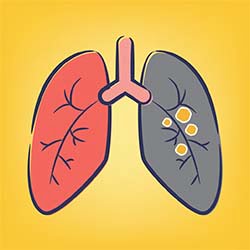
Chronic Obstructive Pulmonary Disease (COPD) is a long-term, progressive lung disease that makes it hard to breathe. It is a major cause of disability and a leading cause of death worldwide, affecting millions of people each year. Understanding COPD’s definition, its causes, symptoms, and diagnosis processes can empower individuals to seek timely medical attention and manage the condition effectively.

Definition

COPD is not a single disease but a term used to describe a group of lung conditions that cause breathing difficulties, including emphysema and chronic bronchitis:

  • Emphysema involves damage to the alveoli (air sacs) in the lungs, making it hard for the lungs to exchange oxygen and carbon dioxide.
  • Chronic Bronchitis is characterized by long-term inflammation of the bronchial tubes, which leads to increased production of mucus, coughing, and difficulty breathing.

These conditions limit airflow in and out of the lungs, making it difficult to breathe. The obstruction is usually progressive, meaning it worsens over time, especially if exposure to the cause, such as smoking, continues.

Causes

The primary cause of COPD is long-term exposure to substances that irritate and damage the lungs. This includes:

  • Tobacco Smoke: The leading cause of COPD in developed countries. People who smoke or have a history of smoking are at high risk.
  • Air Pollution: Exposure to indoor and outdoor air pollution can contribute to developing COPD.
  • Occupational Dust and Chemicals: Long-term exposure to dust, chemicals, and fumes in the workplace can lead to COPD.
  • Genetic Factors: A deficiency in a protein called alpha-1 antitrypsin can cause COPD. This condition is less common but can affect individuals at a younger age.

Symptoms

COPD symptoms often don’t appear until significant lung damage has occurred, and they usually worsen over time. Common symptoms include:

  • Persistent cough, often referred to as a “smoker’s cough”
  • Increased mucus production
  • Shortness of breath, especially during physical activities
  • Wheezing
  • Chest tightness

Diagnosis

Diagnosing COPD involves a combination of clinical evaluation and diagnostic tests:

  • Medical History and Physical Examination: A doctor will review symptoms, exposure to lung irritants, and family health history.
  • Spirometry: The most common test for diagnosing COPD, spirometry measures how much air one can inhale and exhale, and how quickly. A significant reduction in airflow indicates COPD.
  • Chest X-ray or CT Scan: These imaging tests can provide detailed pictures of the lungs, helping to rule out other lung conditions and assess the extent of lung damage caused by COPD.
  • Arterial Blood Gas Analysis: This test measures how well the lungs are bringing oxygen into the blood and removing carbon dioxide.

Early diagnosis and treatment are crucial in managing COPD, slowing its progression, and improving quality of life. Lifestyle changes, such as quitting smoking, avoiding lung irritants, and adhering to a treatment plan, including medication, pulmonary rehabilitation, and possibly oxygen therapy, can help manage symptoms and enhance the ability to stay active.
Keeping it clean: CPAP hygiene

Keeping it clean: CPAP hygiene

A shower or bath is a great way to start your day. But a refreshing dip and a good hygiene routine are just as important for your CPAP as it is for you.

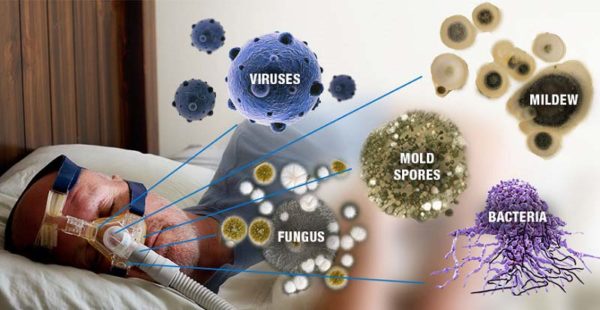
Proper upkeep of your CPAP machine can help ensure the device functions properly. “It is vitally important to keep everything as clean as possible, as hoses/tubing and masks can be a prime breeding ground for bacteria and mold,” said Phoebe Ochman, Director of Communications for Sleep Apnea Treatment Centers of America.

The thorough cleaning of your CPAP machine can be divided into daily and weekly cleaning, she said.

Daily Cleaning

Get in the habit of wiping down your mask (including areas that come in contact with your skin) using a damp towel with mild detergent and warm water. This will remove any oils, dead skin cells and sweat on the mask that can affect the quality of the seal. Gently rinse with a clean towel and let the mask air-dry.

You can also use pre-moistened towels designed specifically for cleaning CPAP masks, which are available at many sleep centres.

If your unit has a humidifier, empty any leftover water instead of letting it sit in the unit all day. Refill the humidifier with clean, distilled water right before bedtime for optimal use.

If you’ve been sick, it’s smart to wash your mask, tubing, humidifier chamber and daily until your cold, flu or virus symptoms are gone. That can help reduce the amount of time you spend under the weather.

Weekly Cleaning

Your mask and tubing need a full bath once a week to keep it free of dust, bacteria and germs.

Clean the CPAP tubing, nasal mask and headgear in a bathroom sink filled with warm water and a few drops of ammonia-free, mild dish detergent. “Swirl all parts around for about five minutes, rinse well and let air dry during the day,”. Hang the tubing over the shower rod, on a towel rack or in the laundry room to ensure all the water drips out.

The mask and headgear can be air-dried on a towel or hung on a hook or hanger.

“You should also wipe down your CPAP machine with a damp cloth,” Ochman noted. The towel shouldn’t be too damp or wet, as water could get into the machine.

Clean the filter by removing it and rinsing it in warm tap water. “Squeeze it under the water and squeeze to make sure there is no dust. Then blot down the filter with a towel,” she said.

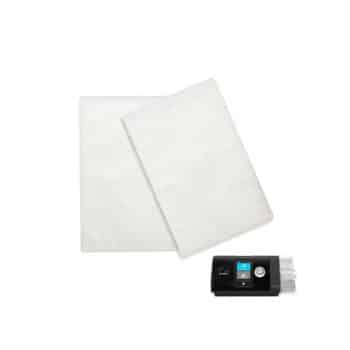
But don’t wash your machine’s white filter, if one is present—those are disposable and should be replaced once a month, Ochman said. “Just like your house filters, if the white filter is dirty, it should be replaced sooner than once a month.”

If your CPAP has a humidifier, that also needs to be cleaned weekly.

Empty any remaining water and then wash the water chamber in the sink with warm soapy water. Rinse well and drain out as much of the water as possible. Let the chamber air-dry before placing it back into the CPAP unit.

“Every other week you should disinfect the humidifier,” Ochman said. Do that by soaking it in a solution of one part vinegar to five parts water for 30 minutes, thoroughly rinsing and then placing in your dishwasher’s top rack for washing. And keep it clean by using only distilled water to prevent mineral deposits that can build up and cause damage to your machine.

With a little upkeep, your CPAP can continue to help you breathe better for a long time. Just a few minutes a day can help keep your CPAP running efficiently for years to come.

What Sleep Lab Measure

Measurements in sleep lab

A sleep study (polysomnogram) is performed in a sleep disorder center and is typically used to diagnose sleep apnea. It is also possible for the condition to be diagnosed based on home sleep apnea testing.

A lot of information is collected, and part of the purpose of these studies consists of tracking your breathing patterns through the night. This is accomplished with several sensors:

  • Nasal cannula (or thermistor) with plastic prongs that sit in the nostrils
  • Respiratory effort belts that stretch across the chest and/or stomach
  • An oximeter clip that measures continuous oxygen and pulse rate by shining a laser light through a fingertip

learn what is sleep apnea and AHI

read our ultimate Sleep Apnea

All of this information is analyzed to determine how many times you breathe shallowly (flow limitation and Hypopnea) or stop breathing altogether(complete Obstructive) during the night. Any partial obstruction of the airway is called a hypopnea. Hypopnea refers to a transient reduction of airflow (often while asleep) that lasts for at least 10 seconds. Shallow breathing or an abnormally low respiratory rate may be called hypoventilation.

A complete cessation in breathing is called apnea (from the Greek meaning “no breath”). Hypopnea is less severe than apnea (which is a more complete loss of airflow). It may likewise result in a decreased amount of air movement into the lungs and can cause oxygen levels in the blood to drop. Sleep apnea is more commonly due to partial obstruction of the upper airway.

To count in the AHI, these pauses in breathing must last for 10 seconds and more which is associated with a decrease in the oxygen levels of the blood or cause an awakening called arousal. These awakenings may fragment sleep, make it unrefreshing, and lead to daytime sleepiness.

Some sleep facilities use other measures to assess this degree of severity. The respiratory disturbance index (RDI) may be used if a measurement of airway resistance with a pressure oesophagal manometer is also included in the study. The oxygen-desaturation index (ODI) attempts to calculate the number of apnea or hypopnea events per hour that lead to an oxygen drop of at least 3%. This is thought to be important in assessing the risk of long-term cardiovascular (high blood pressure, heart attack, and heart failure) or neurocognitive (stroke and dementia) consequences.

If your sleep study does not contain these more specific measures, this is nothing to worry about.

Ultimate Guide – Everything You Need to Know About Sleep Apnea

Ultimate Guide – Everything You Need to Know About Sleep Apnea

Everything You Need to Know About Sleep Apnea

Do you wake up in the morning after a night sleep and wonder why you still feel tired? Do you feel unfocused, drained, and have difficulty concentrating on daily tasks? Has a bed partner complained about your excessive snoring episodes? If so, read below the ultimate guide! This article covers everything you ever wanted to know about Sleep Apnea treatment and CPAP therapy.

Let’s start with the Basics. Sleep Apnea occurs in roughly 1 billion people worldwide and many of those case being un-diagnosed. Sleep Apnea as a symptom is the periodical cessation of breathing that happens during sleep time only. When a person sleeps, the muscles of the tongue and throat could relax and this time apnea occurs.  It seems a simple as a straight explanation, however, there’s so much more to it than that.

During sleep apnea the airflow to the lungs becomes blocked on the throat and breathing from nose and mouth does provide the oxygen that human needs leading the person to wake up (arousal), often gasping and choking for air. Because of this process, happens many times during the night, the person who suffers from sleep apnea can’t get the restful night.


What Are the Types of Sleep Apnea?

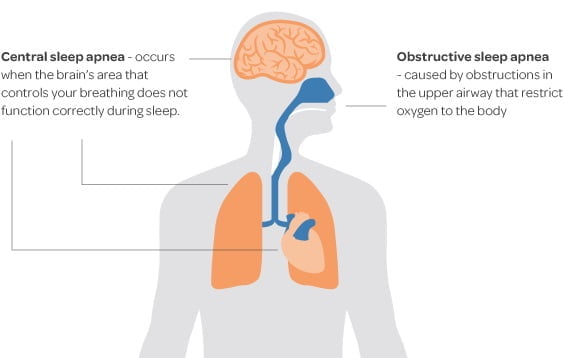
  • Obstructive Sleep Apnea (OSA)
  • Central Sleep Apnea (CSA)
  • Mixed Sleep Apnea

What is Obstructive Sleep Apnea (OSA)

Obstructive Sleep Apnea (OSA) is the most common sleep apnea, it’s a condition that arises when excess tissues of the tongue, mouth, and throat expand during sleep and partially or completely block the airway, reducing the person blood oxygen saturation due of a blocked airway. The Breathing could stop for 10 seconds and more during each episode and the person could wake up gasping or choking air. And this process repeats many times during the night. This repeated arousal during the night will exhaust the person even with a long time of sleeping. Another that we have to point and it is crucial for the human is the repeated heart running to cover the blood oxygen saturation during sleep apnea face. Some people naturally have a more narrow throat than other people, and when you add in other risk factors, the conditions are right for developing OSA.

Symptoms of OSA include:
  • Very Loud Snoring
  • Falling Asleep during day
  • Lack of Concentration and focus on tasks
Treatment for OSA:

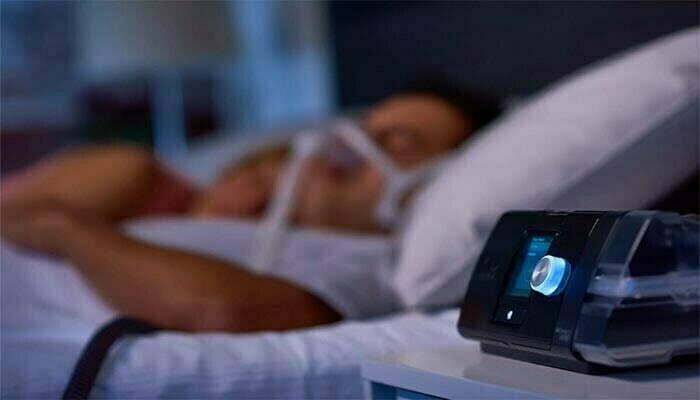
The most effective and common treatment for sleep apnea symptoms is CPAP machines. These type of Machines through the tube and mask, pressurize the outside air and gently open the airway so the person will be able to breathe normally. In many cases, these machines can achieve effectiveness therapy reducing the apnea even to the normal state. It’s important to note that CPAP therapy isn’t a cure for OSA.

In low sleep apnea events, there are some alternative treatments that can solve OSA avoiding using daily the sleep apnea machine. Like Provent sleep apnea therapy

What is Central Sleep Apnea (CSA)

The CSA is a different kind of apnea and instead of a blocked airway, we speak about the missing signals from brain leading the person to fail to draw breath, because the brain doesn’t send the instructions to breathe. The Central Apnea typically developing from several conditions such as heart failure and stroke. Some of the conditions could lead to central apneas, Cheyne-Stoke Breathing usually found in those with heart failure or stroke, this main breathing type can be categorized by a gradual decrease in breathing effort over the course of the night. Breaths become shallower, quieter, and softer and eventually breathing stops altogether. Cheyne-Stokes Breathing is the leading cause of CSA.

Symptoms of CSA include:
  • Falling Asleep during day
  • Lack of Concentration and focus on tasks
  • lack of Breathing without snoring
  • Shortness of breathing
Treatment for CSA:

The Treatments for CSA vary. We use the same PAP therapy as a common form of treatment for CSA. While some users may use CPAP therapy, BiPAP therapy and nowadays even ASV machines. The most important situation that happens in a person who suffers from central sleep apnea is lack of breath per minute, which means that the backup rate is necessary and BiPAP or Servo-Ventilators should be used. The cardiovascular death risk observed in SERVE-HF has been confirmed as true.

BiPAP machines use 2 phases, one for inhalation and one for exhalation phase, which means the machine will follow the person through his/her breathing cycles. If the person is using BiPAP ST, the machine will support him/her even with the back-up rate when the person, due to the central sleep apnea, will stop the cycle of breathing.

What is Complex (Mixed) Sleep Apnea

Complex or Mixed Sleep Apnea is a disorder that combines OSA and CSA, which exist in every single event. The person has stopped breathing by Central sleep apnea and it continues with obstructive sleep apnea and this period, which should be more than 10 seconds, is called mixed sleep apnea. 

Symptoms of Mixed Sleep Apneas include:
  • Very Loud Snoring
  • Falling Asleep during day
  • Lack of Concentration and focus on tasks
  • Lack of Breathing without snoring
Treatment for Complex Sleep Apnea

Mixed Sleep apnea can be varied and many machines can be used for treatment since CPAP therapy could also be effective. But in many cases, the BiPAP machine or even better the ASV Machine, are the best choice for such apneas because it will be able to adjust the needed pressure to the person needs during each breath.

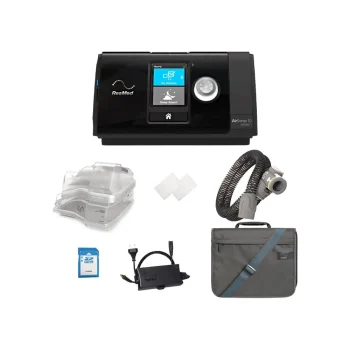
AirSense 10 AutoSet Auto CPAP with HumidAir, ResMed

Sleep Apnea, Nearly 1 Billion People Worldwide Have

Sleep Apnea, Nearly 1 Billion People Worldwide Have

Nearly 1 Billion Worldwide have Sleep Apnea

Nearly 1 Billion Worldwide have Sleep Apnea, a new data analysis presented by ResMed this week at the ATS 2018 International Conference indicates that the prevalence of sleep apnea impacts more than 936 million people worldwide—nearly 10 times greater than previous estimates.

The study “Global Prevalence of Obstructive Sleep Apnea (OSA)” was conducted by an international panel of researchers seeking to provide a clear scope of the impact of the chronic sleep-disordered breathing condition. The previous estimation of OSA prevalence (100 million) came from a 2007 World Health Organization study that used methods and data available at the time. By analyzing technology improvements in detecting OSA and underreported statistics from other areas of the world, this latest study depicts an impacted population significantly larger than previously identified.

“The research and findings are a revelation in sleep apnea research and represent a vastly underreported major public health issue,” says Adam Benjafield, ResMed vice president of Medical Affairs and lead study researcher, in a release. “This new study demonstrates a need for expanded awareness around the diagnosis and treatment of OSA worldwide.”

ResMed chief medical officer Carlos M. Nunez, MD, says, “This study should encourage physicians to talk with their patients about how sleep affects our overall health. It should also cause more people to ask themselves, ‘Do I or my bed partner have this?’ Those who have sleep apnea don’t often realize they have it and, therefore, don’t realize they can do something to mitigate the resulting chronic fatigue or its more harmful long-term health risks. And sleep apnea isn’t just a disease for older, overweight men, as once thought. It affects people of all ages, all ethnic and racial groups, all states of health, and is not gender-specific. In fact, nearly half of newly diagnosed patients are female.”

Types of sleep apnoea

175 Million Europeans which Have Sleep Apnoea

There are three main types of sleep apnoea:

  • Obstructive Sleep Apnoea (OSA)
  • Central Sleep Apnoea (CSA)
  • Mixed sleep apnoea

Obstructive Sleep Apnoea (OSA)

Obstructive Sleep Apnoea is the most common type of sleep apnoea, making up 84% of sleep apnoea diagnoses.1

Types of sleep apnoea

In most cases of Obstructive Sleep Apnoea, air stops flowing to the lungs because of a blockage (or obstruction) in the upper airway-that is, in the nose or throat.

The upper airway could become blocked due to:

  • The muscles relaxing too much during sleep, which blocks sufficient air from getting through*
  • The weight of your neck narrowing the airway
  • Inflamed tonsils, or other temporary reasons
  • Structural reasons, like the shape of the nose, neck or jaw

Central Sleep Apnoea (CSA)

Central Sleep Apnoea (CSA) is rare in general,and can be caused by certain drug therapies used in pain management, such as opioids, as well as heart failure, or a disease or injury involving the brain, such as:

  • Stroke
  • Brain tumor
  • Viral brain infection
  • Chronic respiratory disease

In cases of CSA the airway is actually open but air stops flowing to the lungs because no effort is made to breathe. This is basically because the communication between the brain and the body has been lost, so the automatic action of breathing stops.

Those with CSA don’t often snore, so the condition sometimes goes unnoticed.

Noticeably, in case of heart failure, CSA is very frequent, with up to 1 patient over 4 being affected.2 CSA also has a specific pattern in Heart Failure, known as Cheyne-Stokes Respiration (CSR). 

People with CSR have an abnormal, cyclic pattern of breathing that alternates deeper and sometimes faster breathing with a temporary stop in breathing (apnoea).

Together, Central Sleep Apnoea and Cheyne-Stokes respiration are known as CSA-CSR, which occurs in 30 to 50% of people with heart failure.1

Mixed sleep apnoea

This is a combination of both OSA (where there is a blockage or obstruction in the upper airway) and CSA (where no effort is made to breathe). Your doctor can help you understand more about this if you need to.

If you have any concerns that you may have any type of sleep apnoea, please consult your doctor.

What happens during normal breathing?

What happens during normal breathing

To find out what could be affecting your ability to breathe properly, it’s helpful to first understand what normal breathing looks like.

Breathing is automatic

It might sound simple, but it’s important to realize that breathing is not something we have to consciously remember to do. It’s a reflex that is controlled by nerve cells in the brain and spine.

The upper and lower airways

The respiratory system is made up of 2 parts: the upper and lower airways.

Upper airway

What happens during normal breathing

Lower airway

What happens during normal breathing

The lower airway is protected by the chest cavity, which also contains the heart and lungs.

The breathing process

What starts the breathing process is actually the effort you make to draw air into your body.

When you breathe, the air entering your nose is cleaned, warmed and moistened. It then flows through your trachea, your bronchi and down to the alveoli of your lungs.

As you inhale and exhale, your chest and ribs expand and contract to allow for the air going in and out.

Abnormal breathing

As you can imagine, the everyday act of breathing can become very difficult if you have a respiratory condition that affects the airways, muscles, nerves, reflexes or organs involved in breathing.

How Diabetes associated with sleep apnea

How Diabetes associated with sleep apnea

How Diabetes associated with sleep apnea

Diabetes and sleep apnea are strongly associated with one another. Clinical research shows that as many as 48% of people diagnosed with type 2 diabetes have also been diagnosed with sleep apnea. Even more striking, researchers believe that 86% of obese type 2 diabetic patients suffer from sleep apnea.
What does that mean? Although these statistics don’t necessarily prove that diabetes causes sleep apnea (or vice versa), it’s clear that there’s a real medical connection here – one which the medical community has been exploring for decades. It also means that if you’ve been diagnosed with Type 2 diabetes, you may want to consider paying close attention to the risk factors of sleep apnea.
“Based on the current evidence, clinicians need to address the risk of OSA [obstructive sleep apnea] in patients with type 2 diabetes,” advise the authors of a 2008 study published in the journal Chest, “and, conversely, evaluate the presence of type 2 diabetes in patients with OSA.”

Diabetes and sleep apnea: What’s the relationship?
Of course, despite the numerous research articles published on the association between sleep apnea and diabetes – and there are a lot – researchers still don’t know exactly what causes this connection. And it hasn’t been proven in specific terms whether one condition directly causes the other.
In fact, a 2005 study published in the American Journal of Respiratory and Critical Care Medicine attempted to find out “whether an independent relationship” existed between type 2 diabetes and sleep-disordered breathing. Looking for an “independent relationship” means that researchers hoped to discover the secret behind the connection between sleep apnea and diabetes and why so many people have both conditions.
Unfortunately, that study was inconclusive, and the real source of the connection between sleep apnea and diabetes remains unknown. Although, combined evidence from population and clinical-based studies suggest there is an independent association between OSA and type 2 diabetes, highlighting the importance of considering each of these two diseases if you have one of them.

Diabetes and Sleep Apnea: Awareness and prevention
We can’t say that if you have sleep apnea, you’ll get diabetes, or vice versa. But with such a large overlap between these two conditions, it’s sensible to suspect that if you do have one of these conditions, your likelihood of developing the other is increased.
That means paying extra close attention to the risk factors for diabetes if you have sleep apnea, and making sure you’re doing all you can to ensure healthy sleep if you happen to be diabetic.
Even health professionals are on the lookout for the connection. The international Diabetes Federation Task force on epidemiology and Prevention strongly recommends that health professionals working in both type 2 diabetes and SDB adopt clinical practices to ensure that a patient presenting with one condition is considered for the other.”

Be More Aware

Global Health Crisis with 175 Million Europeans which Have Sleep Apnoea

175 Million Europeans which Have Sleep Apnoea

Global Health Crisis with 175 Million Europeans which Have Sleep Apnoea

Late-breaking abstract at ERS Congress provides new estimate from leading researchers and key opinion leaders

Roughly 175 million Europeans have obstructive sleep apnoea, according to a late-breaking abstract presented by ResMed today at the European Respiratory Society’s annual ERS Congress in Paris. Leading researchers estimate 90 million Europeans have moderate to severe sleep apnoea, meaning they experience at least 15 breathing events an hour during sleep.
These statistics are based on the latest scoring rules for determining one’s apnoea–hypopnoea index (AASM 2012) and are connected with a 16-country study announced in May 2018 that revealed an estimated 936 million people worldwide have sleep apnoea, a chronic sleep-disordered breathing condition associated with increased risk of mortality and reduced quality of life.
The new global prevalence is nearly tenfold higher than the previous one – 100 million – estimated by the World Health Organization in 2007.
European countries with the highest prevalence are:

  • Russia, 40 million
  • Germany, 26 million
  • France, 24 million
  • Ukraine, 13 million
  • Spain, 9 million
  • United Kingdom, 8 million

“This data is a warning call to Europe’s doctors and other care providers to properly identify, screen and diagnose these people so they can get the life-changing treatment they need,” said Dr. Adam Benjafield, lead researcher and ResMed’s vice president of Medical Affairs.
Benjafield said one sign of an at-risk patient is whether they have a related chronic medical condition:

  • 83% of people with drug-resistant hypertension have sleep apnoea
  • 77% of people with obesity
  • 76% of people with chronic heart failure
  • 72% of people with type 2 diabetes
  • 62% of people with a prior stroke
  • 49% of people with atrial fibrillation

“Doctors should screen their patients if they have any of these conditions,” said Benjafield, “especially if a patient has exhibited sleep apnoea-related symptoms like snoring, daytime sleepiness or frequent nighttime urination.”


How to choose a travel CPAP machine

How to choose a travel CPAP machine

How to choose a travel CPAP machine

They’re not all created equal

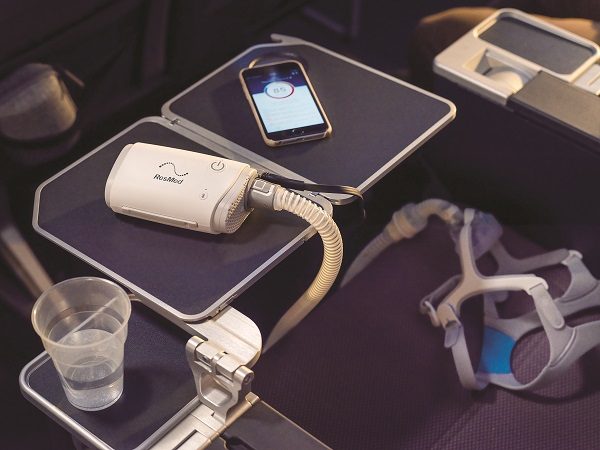
For frequent travelers, a portable PAP machine is smaller, lighter, easier to carry, and more discreet. A portable CPAP machine can fit into your regular carry-on bag, rather than needing a separate carrying case. And new innovations in design and technology have made it possible to experience the same performance with a mini PAP device as a home-based unit. But remember: not all travel PAP machines are the same. Look for machines with quiet operation, comfort therapy settings, and features that are similar to your home device.

Don’t be fooled when shopping for a travel CPAP machine
Travel PAPs come in a variety of sizes, shapes, and additional features. Some may look extremely small, but they require a lot of added components to work like your home system. Here are some other tips to help you find the machine that’s right for you:

  • Components a device with fewer components requires less time to assemble for use and packs easily into your suitcase.
  • Weight traveling light is important. Compare the weight of the PAP machines.
  • Tubing since each manufacturer will have different tubing, look for those with smaller tubes that provide ease of packing and more freedom of movement when you sleep.
  • Added features look for added features, such as, user friendly touch screen activation, built in USB charging port for cell phones or other devices, leaving outlets available for lamps, alarm clocks, etc.

However, you shouldn’t let the idea of traveling with your machine get you down. And you definitely shouldn’t leave your machine at home, even for short trips. What many people may not realize is that traveling with a CPAP machine is much easier than previously thought. Below you find some of our products for your traveling.

What to expect at the airport and on the plane

  • It is recommended  to label your CPAP case with a medical equipment luggage tag. However, most TSA agents are more than familiar with CPAP machines, and will easily recognize them as medical equipment.
  • You CPAP will need to be x-rayed. To expedite the process take the machine out of the carry case and place in an individual screening bin. The rest of the equipment can stay in the carry case.Your CPAP machine may need to be swabbed by an agent to check for explosives residue. If this is the case, you can ask that the agent use a fresh pair of gloves and an unused swab.
  • It may be a good idea to keep your prescription for the machine on you in the event TSA agents need additional confirmation for your equipment.
  • If you plan on using your machine on the plane make sure you have the necessary adapters or back-up battery pack.
  • Fill your humidifier with bottled water rather than using tapwater in the airport bathroom or the bathroom on the plane.
  • If you feel slightly embarrassed about using your device on the plane, you can always purchase a CPAP travel hoodie to be more inconspicuous.
  • You may want to check with your airline’s policy regarding CPAP usage in flight. Some airlines require a minimum of 48 hours notice of use of inflight CPAP machines to verify that your model meets FAA standards and regulations. Many airlines require that your machine is properly labeled indicating that it meets FAA safety regulations and is approved for use on an aircraft. click here for FAA regulations regarding medical carying and using medical machines in the Aircraft

The Effects of Sleep Apnea on the Body

The Effects of Sleep Apnea on the Body

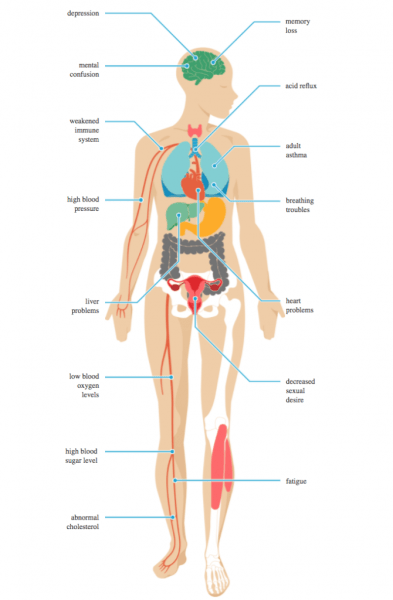
Sleep apnea is a condition in which your breathing repeatedly pauses while you sleep. When this happens, your body wakes you up to resume breathing. These multiple sleep interruptions prevent you from sleeping well, leaving you feeling extra tired during the day. Sleep apnea does more than make you sleepy, though. When left untreated, it can contribute to heart disease, diabetes, and other long-term health risks.

Sleep apnea happens when your airway becomes blocked or collapses during the night. Each time your breathing restarts, you might let out a loud snore that wakes both you and your bed partner.Many health conditions are linked to sleep apnea, including obesity and high blood pressure. These conditions, coupled with the lack of sleep, can harm many different systems in your body.

Respiratory system

By depriving your body of oxygen while you sleep, sleep apnea can worsen symptoms of asthma and chronic obstructive pulmonary disease (COPD). You might find yourself short of breath or have more trouble exercising than usual.

Endocrine system

People with sleep apnea are more likely to develop insulin resistance, a condition in which the cells don’t respond as well to the hormone insulin. When your cells don’t take in insulin like they should, your blood sugar level rises and you can develop type 2 diabetes.Sleep apnea has also been associated with metabolic syndrome, a cluster of heart disease risk factors that include high blood pressure, high LDL cholesterol levels, high blood sugar levels, and a larger-than-normal waist circumference.

Digestive system

If you have sleep apnea, you’re more likely to have fatty liver disease, liver scarring, and higher-than-normal levels of liver enzymes.Apnea can also worsen heartburn and other symptoms of gastroesophageal reflux disease (GERD), which can interrupt your sleep even more.

Circulatory and cardiovascular systems

Sleep apnea has been linked to obesity and high blood pressure, which increase the strain on your heart. If you have apnea, you’re more likely to have an abnormal heart rhythm such as atrial fibrillation, which could increase your risk of a stroke. Heart failure is also more common in people with sleep apnea.

Nervous system

One type of sleep apnea, called central sleep apnea, is caused by a disruption in the brain’s signals that enable you to breathe. This type of sleep apnea can also cause neurological symptoms like numbness and tingling.

Reproductive system

Sleep apnea can reduce your desire to have sex. In men, it could contribute to erectile dysfunction and affect your ability to have children.

Other systems

Other common symptoms of sleep apnea include:

  • dry mouth or sore throat in the morning
  • headache
  • trouble paying attention
  • irritability

Takeaway

Sleep apnea can disrupt your nightly slumber and put you at risk of several serious diseases, but there are ways to control it. Treatments, such as continuous positive airway pressure (CPAP) and oral appliances, help keep oxygen flowing into your lungs while you sleep. Losing weight can also improve sleep apnea symptoms while reducing your heart disease risk.

Written by Stephanie Watson | Medically Reviewed by Elaine Luo, MD on June 29, 2017 | Healthline.com

Sleep Apnea’s Effect on Sex Drive and Sexual Function

Sleep Apnea’s Effect on Sex Drive and Sexual Function

Sleep Apnea’s Effect on Sex Drive and Sexual Function

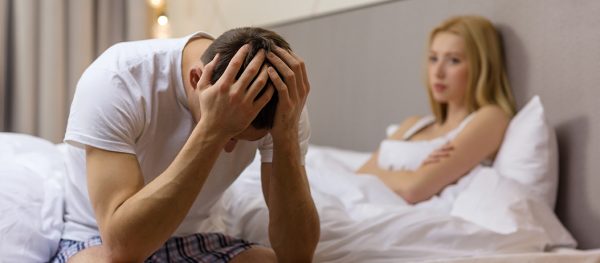
It seems to be common knowledge these days that obstructive sleep apnea (OSA) is tied to troubling health issues including obesity, heart disease, diabetes, stroke, and cancer. However, fewer people are aware that sleep apnea and its consequences can result in a wide range of sexual health issues, including libido, sexual function, and intimacy. In addition, both men and women can suffer these problems if they are not properly treated for their sleep apnea.

The side effects of sleep apnea—fatigue, high blood pressure, risk of heart disease and stroke—are pretty well-known. But one thing that’s not as widely documented is sleep apnea’s effect on sex.

Sleep Apnea & Sexual Health: The Studies

Within the past two decades, a large number of studies have confirmed that sleep apnea can affect a number of different facets of a person’s sex life, from their sex drive to their hormone levels, to their erectile function. Below, we will highlight just a few of the recent studies involving sleep apnea and sexual health.

  • A 2009 study found that a staggering 69 percent of men with diagnosed OSA suffered from erectile dysfunction, compared with just 34 percent of people without sleep apnea. The study examined 401 adult men and corrected for factors such as age and weight.
  • A 2011 study published in The Journal of Sexual Medicine found that women suffering from untreated sleep apnea had higher rates of sexual dysfunction and sexual difficulties. The study, which compared 80 women with sleep apnea to 240 women without the sleep disorder, found that no matter how mild or severe the OSA, women were negatively affected by their condition.
  • Researchers at the Walter Reed Military Medical Center found that a significant number of men who treat their sleep apnea see a large improvement in their sexual function and sexual satisfaction. The study followed 92 men with an average age of 46 who had been diagnosed with OSA and who were being treated with CPAP therapy.
  • A 2008 sleep apnea study of 15 patients who underwent maxillomandibular advancement (MMA) surgery (also known as bimaxillary advancement surgery) found that, six months after the operation, a statistically significant number noted an increase in satisfaction with intimacy and sex.
  • A 2007 study of 25 women with obstructive sleep apnea found that all aspects of sexual functioning were were affected by the sleep disorder save two: enjoyment and pain. The study excluded women with genital deformity, postmenopausal women, and women without a regular partner and controlled for factors like age and c0-morbid diseases.
  • A 2011 sleep apnea study focused on sexual hormone levels and sleep apnea found that disrupted sleep caused by sleep apnea affects the testosterone levels of both men and women. Testosterone is a hormone that affects sex drive in both sexes.

Why Does Sleep Apnea Hurt Sex Drive?

While research is showing that OSA can hinder many aspects of patients’ sex lives, the answer to why the relationship exists is more difficult. First and foremost, physicians believe that the lack of deep sleep caused by sleep apnea affects sex hormones that drive our libido. In addition, sleep apnea often leaves patients drowsy, unable to focus, and fatigued – not a recipe for a happy sex life. Finally, sleep apnea negatively affects blood pressure, weight, and overall health, which in turn could affect sexual function. But there’s good news: treatment for sleep apnea can make a difference.

The CPAP—a device that’s worn while sleeping and keeps the airway from closing can diminish or alleviate sleep apnea, and doesn’t have to interfere with intimacy. Plus, Ochman said, people who are treated for their sleep apnea are 60 percent more likely to be compliant with their treatment plan if their spouses sleep in the same bedroom.

Other things that can help:
Keep your weight in a healthy range: Excess weight is a primary risk factor for sleep apnea in both men and women.
Don’t light up: Smoking increases the risk of obstructive sleep apnea.
Get regular exercise: Exercise helps keep weight in check, plus, when combined with CPAP therapy, helps improve sleep apnea.
Use your CPAP nightly and Keep the romance alive: The relationship between sleep and sex needs more research, especially for women, but improving the quality of your sleep is likely to benefit your sex life.

How Alcohol Affects Sleep Apnea and Snoring by Relaxing Airway Muscles

How Alcohol Affects Sleep Apnea and Snoring

How Alcohol Affects Sleep Apnea and Snoring by Relaxing Airway Muscles

Understanding Why Drinking Alcohol and Sleep Apnea Don’t Mix

Alcohol consumption can induce sleep apnea and other sleep disorders. It disrupts the natural sequence and length of sleep states by changing the total amount of time you sleep and the time it takes you to fall asleep. It also has important impacts on breathing during sleep. How does alcohol affect the risk of sleep apnea and snoring by relaxing the muscles of the airway?

While about 20 percent Americans have obstructive sleep apnea (OSA), only about 10 percent have received a diagnosis. During an episode of sleep apnea, your air passage narrows to such a degree it interrupts your natural breathing cycle and wakes you up, although you may fall back to sleep so fast you don’t know you were ever awake. Sometimes the air passage completely closes.

You are more likely to have OSA than the general population if you are:

  • middle-aged or older
  • overweight or obese
  • have anatomy that narrows the airway

The Health Benefits of Sleep

No one knows the exact function of sleep but not getting enough of it causes serious consequences. If you don’t get enough sleep you increase your risk of developing:

  • depression
  • poor metabolism
  • heart disease
  • insulin resistance (diabetes)

The day after an insufficient night’s sleep, you feel tired the next day. Excessive daytime sleepiness caused by sleep disturbance, such as breathing interruptions, is associated with:

  • impaired function in social situations and at work
  • difficulty with remembering things
  • car accidents

These consequences are important to keep in mind when considering the effects of alcohol consumption on breathing during sleep.

Alcohol Causes Sleep Apnea and Makes It Worse

There is an association between alcohol and sleep apnea even if you don’t have a diagnosis.

Studies show that moderate or heavy drinking can cause episodes of OSA in people who don’t even have it. Additionally, if you have alcohol use disorder, you may be at higher risk for developing OSA, especially if you already snore.

For those with OSA, the consequences of sleep apnea become more pronounced when you drink because alcohoI can increase the time between when you stop breathing and “wake up” to breathe again. In other words, it makes your OSA worse.

The increase in the severity of your symptoms makes the drops in your blood’s oxygen levels, called desaturations, become more severe. This may lead to increased carbon dioxide levels in the body, a condition called hypercapnia, which, in severe cases, can be fatal.

Alcohol’s Effect on Nighttime Breathing and Snoring

Drinking alcohol can affect the nighttime breathing of patients with sleep-disordered breathing, such as sleep apnea.

Alcohol decreases your drive to breathe, slowing your breathing and making your breaths shallow. In addition, it may relax the muscles of your throat, which may make it more likely for your upper airway to collapse. This may contribute to both snoring, which represents the vibration of the soft tissues, to complete obstruction that occurs in sleep apnea.

Should Sleep Apnea Sufferers Avoid Alcohol?

If you have sleep apnea, the best advice would be to abstain from all alcohol use. If you enjoy drinking an alcoholic beverage, even occasionally, this is unlikely. At the very least, don’t consume alcohol in the several hours prior to bedtime to minimize the effects overnight. Use your treatment for sleep apnea every night.

You should also keep in mind the importance of setting up your continuous positive airway pressure (CPAP) under typical sleeping conditions. Therefore, if you drink alcohol daily but abstain prior to your titration study, the pressure may not be adequate to maintain your airway when you drink.

AutoCPAP machines that can adjust the pressures through the night may help to avoid this issue.

To maximize your response to therapy, consider the role that alcohol use plays in optimally treating your sleep apnea.

learn more about sleep Apnea risks?

Avoid Illness with Routine Cleaning of CPAP components

Avoid Illness with Routine Cleaning of CPAP components

Risks of Infection Reduced with Regular Cleaning, Distilled Water Use

It is common when initially starting the use of continuous positive airway pressure (CPAP) to treat sleep apnea to worry about the risk of infection from the device. You might ask, “Can CPAP make me sick?” Learn about whether you might be at risk of infection, including sinus infections and pneumonia, from using a CPAP machine. Review how to avoid this with proper cleaning steps on a regular basis and the use of filters, distilled water in a heated humidifier, and heated tubing.

The Dangers of Infection with CPAP Machines

First, the CPAP itself is initially a sterile device. The plastic and metal parts will not cause illness on their own, and germs will not be present there when the machine is new. Once you start using it, any germs inside the mask, tubing, or device are your germs. Therefore, you are at low risk of acquiring a new infection from a CPAP. The bugs whether they are bacteria or viruses are ones that you put there via breathing, and your body has already reached a truce with them. Though there may be a reasonable concern for potential infection from the use of CPAP equipment, there is little research in adults supporting such an association. Modern devices with the use of heated humidifiers, heated tubing, hypoallergenic filters, and improved design have not been well studied.
In fact, there are currently zero—yes, zero—case reports by doctors& found in the scientific literature of CPAP use contributing to an increased risk of upper respiratory infection like sinus infections or pneumonia.
There have been a few reports of eye irritation and ulceration occurring, possibly related to masks leaking air into the eyes, but the cause-and-effect relationship is not clear.
In conclusion, it is very likely that CPAP therapy simply does not cause higher rates of infection.

The Potential Risk of Warm, Humid Environments and Mold

The CPAP has some “creature features” to make it more comfortable to use. In particular, the heated humidifier and heated tubing may make the air more warm and moist. This decreases mouth and nose dryness, which may actually reduce the risk of potential infection, and improves tolerance to the therapy. (Inflammation along the airway often improves with CPAP use, in fact.) However, there are organisms that also love a warm, humid environment. In particular, fungus, yeast, and mold would love to hang out in such a place. If your CPAP is not kept clean and excess moisture is allowed to sit in the tubing or humidifier, you might be at risk of developing a fungal or yeast colonization. Dangerous molds could also establish themselves in the equipment. These organisms could potentially be harmful to you.
Large studies have not been performed, and cases of this occurring have not been reported in the literature, but the risk is likely extremely low. The use of a humidifier and adequate hygiene seems to reduce these risks. If water is left in the device for an extended period of time without use, mold is more likely to form. Therefore, the device should not be stored with water left in it, especially in an environment that might promote such growth (like leaving the CPAP in a shed or garage for months or years and then resuming its use).

How to Avoid Infection When Using CPAP

In order to reduce the theoretical risk of infection or exposure to unwanted fungi or molds, there are certain steps that you can take.
  • Make sure to clean your CPAP as often as you should with hot water and dish soap. The equipment manufacturers suggest daily cleaning. It is recommended that this be done at least weekly, depending on your environment. It is not necessary to use an expensive CPAP sanitizer device to reduce the risk of infection that is simply not there.
  • If you are sick with a cold or flu, clean your mask, tubing, and device thoroughly to remove mucus and other undesirable residual discharges from the illness. This basic hygiene can help to avoid any unpleasant smells from developing.
  • Do not let water or moisture remain in the equipment for prolonged periods and use a heated humidifier and heated tubing to reduce condensation. If you decide to stop using the treatment for longer than a few days, clean and dry it out completely. Modern devices are also able to circulate air to help dry out the tubing after use has concluded.
  • Use distilled water in the humidifier to reduce your risk of infection by amoeba in& certain regions such as Lousiana. If you don’t trust the local water supply, always err on the side of using distilled water. This can also avoid the accumulation of minerals inside the water chamber.
  • Replace your supplies, including machine filters, as often as you should. Filters have been shown to reduce the spread of bacteria within the device. Masks should be replaced at least every 3 months and filters should be changed from every 2 weeks to monthly.
  • Do not share your equipment with others to prevent the spread of infection. Do not purchase or accept used equipment, especially used masks and tubing.
By taking these simple steps, you can further reduce the risk of infection and ensure that you get the healthful benefits you expect from your treatment.
Sources:
Aly H et al. “Nasal colonization among premature infants treated with nasal continuous positive airway pressure.” Am J Perinatol. 2011 Apr; 28(4):315.320.
Gelardi M et al. “Regular CPAP utilization reduces nasal inflammation assessed by nasal cytology in obstructive sleep apnea syndrome.” Sleep Med. 2012 Aug;13(7):859-63.
Harrison W;et al. “Anterior segment complications secondary to continuous positive airway pressure machine treatment in patients with obstructive sleep apnea.Optometry. 2007 Jul;78(7):352-5.
Ortolano, GA et al. “Filters reduce the risk of bacterial transmission from contaminated heated humidifiers used with CPAP for obstructive sleep apnea.” J Clin Sleep Med. 2007 Dec 15; 3(7)700-5.
Sanner BM et al. “Effect of continuous positive airway pressure therapy on infectious complications in patients with obstructive sleep apnea syndrome.” Respiration. 2001; 68(5):483-7.

Health Risks of untreated Sleep Apnea

Health Risks of untreated Sleep Apnea
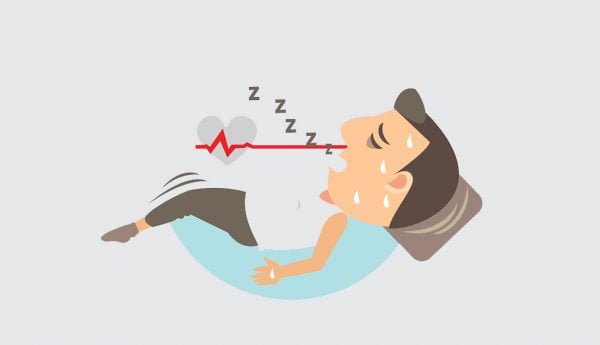
The sleep apnea does much more than just disrupt your sleep and your bed partner from loud snore. Sleep apnea which commonly occurs in those who snore loudly is defined by recurrent pauses in breathing during their sleep where the minimum pause time is more than 10 seconds. This may be caused either by obstruction of the airway(obstructive sleep apnea – OSA) or by the brain forgetting to prompt a breath(central sleep apnea – CSA). When this happens, oxygen levels fallcarbon dioxide levels rise, and there is a spike in blood pressure, heart rate, and hormones like cortisol as the body reawakens to breathe. Sleep apnea has been linked to many chronic medical conditions, and even sudden death.

Hypertension

It is estimated that 50-70% of people with sleep apnea have hypertension, or high blood pressure. This increases the risk of heart attack, stroke, and other health problems. Laboratory experiments in animals have shown a cause-and-effect relationship, with the presence of sleep apnea leading to a later development of hypertension. In people with hard-to-control hypertension, it may be that sleep apnea is contributing. It is shocking that 96% of men requiring three blood pressure medications have sleep apnea contributing to the problem! Effective treatment with continuous positive airway pressure (CPAP) can help to improve blood pressure as much as a blood pressure medication.

Coronary Artery Disease and Heart Attack

The risk for cardiovascular disease increases due to several mechanisms. Sleep apnea can lead to activation of the sympathetic nervous system. This is responsible for the “fight-or-flight” response. Imagine the stress on your body that occurs when a lion is chasing you, this is the sympathetic nervous system at work.

Apnea events may lead to bursts of cortisol, the stress hormone, repeatedly during sleep. In addition, sleep apnea leads to problems with the lining of blood vessels, inflammation, and problems with metabolic regulation and diabetes. All of these can cause problems with blood vessels and this coronary artery disease may lead to major problems like a heart attack.

Stroke

Research shown that the association between stroke and sleep apnea is perhaps as strong as the association between smoking and stroke. There may be several factors involved. During sleep apnea, blood vessels within the brain dilate when the oxygen levels fall. Moreover, individuals with sleep apnea have higher levels of blood factors that make them more susceptible to clots that may lead to stroke. About half of people with atrial fibrillation, a major risk factor for stroke, have sleep apnea contributing to these episodes. Approximately 40-60% of people with stroke are found to have obstructive sleep apnea.

Congestive Heart Failure

When apneic events occur, as the affect of stopped breathing  will decreased levels of oxygen which can cause blood vessels in the lungs to constrict. This increases the blood pressure in these vessels, and over time may lead to chronic right-sided heart failure.

Sudden Death

In a study of patients who died suddenly who had had recent sleep studies performed, it was shown that almost half of the patients with sleep apnea died between the hours of midnight to 6 a.m., compared with 21% without sleep apnea. It is possible that these individuals died suddenly during periods of apnea. These deaths could occur due to breathing dysfunction contributing to cardiac arrhythmia, heart attack, and stroke.

The Good News

The good news is that there is effective treatment for sleep apnea and this can help eliminate many of these risks associated with the disease of sleep apnea. Improve your sleep, your daily function, and your long-term health by finding a therapy that you can live with. Sources: Arzt M, Young T, Finn L, Skatrud JB, Bradley TD. “Association of sleep-disordered breathing and the occurrence of stroke.” Am J Respir Crit Care Med. 2005;172:1447–1451. Collop, N. “The effect of obstructive sleep apnea on chronic medical disorders.” Cleveland Clinic Journal of Medicine. 2007;74:1. Logan AG, Perlikowski SM, Mente A, et al. “High prevalence of unrecognized sleep apnoea in drug-resistant hypertension.” J Hypertens. 2001;19:2271–2277. Shahar E, Whitney CW, Redline S, et al. “Sleep-disordered breathing and cardiovascular disease: cross-sectional results of the Sleep Heart Health Study.” Am J Respir Crit Care Med. 2001;163:19–25. Yaggi HK, Concato J, Kernan WN, Lichtman JH, Brass LM, Mohsenin V. “Obstructive sleep apnea as a risk factor for stroke and death.” N Engl J Med. 2005;353:2034–2041.