


Category Archives: Comparison

Explore and compare CPAP machines, masks, and accessories to discover the best options for a comfortable, effective, and personalized sleep therapy experience.

Comparison of ResMed AirSense 10 and Philips DreamStation 2

Features, Specifications, and User Insights

The ResMed AirSense 10 and Philips DreamStation 2 are both popular CPAP devices, each offering unique features tailored for sleep apnea therapy. The AirSense 10 is known for its quiet operation, integrated humidifier, and advanced AutoSet algorithms that adjust pressure based on individual needs. It also has an easy-to-read display and user-friendly controls. The DreamStation 2, on the other hand, is compact, designed for easy travel, and features intuitive touchscreen controls. It provides advanced data tracking and can connect to the Philips DreamMapper app, enabling users to monitor their therapy progress. Both devices are reliable choices, with the AirSense 10 focusing on comfort and ease of use, while the DreamStation 2 emphasizes portability and modern tech integration.

Overview

The AirSense 10 by ResMed is renowned for its compact design, quiet operation, and advanced features like AutoRamp and Expiratory Pressure Relief (EPR). The built-in humidifier and cellular connectivity make it a popular choice for CPAP therapy.

The DreamStation 2 by Philips Respironics, a more recent model, offers a modern, compact design with features like an integrated humidifier, Bluetooth connectivity, and a color touchscreen interface. It’s designed for easy portability and patient comfort.

Specifications Comparison

FeatureResMed
AirSense 10 AutoSet
Philips Respironics DreamStation 2
Dimensions (L x W x H)25.4 x 15.0 x 11.6 cm19.3 x 15.7 x 8.4 cm
Weight1.24 kg1.33 kg
Pressure Range4-20 cm H2O4-20 cm H2O
Sound Level26.6 dBA27.9 dBA
Ramp FeatureAutoRamp with sleep onset detectionAdjustable ramp time
HumidificationIntegrated HumidAir humidifierIntegrated with adjustable settings
Data ReportingWireless connectivity, SD cardBluetooth, SD card, and cloud reporting
Mask CompatibilityCompatible with all ResMed masksCompatible with all Philips Respironics masks
Power Supply90W power supply65W power supply (with integrated power brick)
Climate ControlOptional ClimateLineAir tubingOptional heated tube
Altitude AdjustmentAutomatic up to 2,591 metersAutomatic up to 2,286 meters
DisplayLCD with light sensorColor touchscreen
Water Chamber Capacity380 ml325 ml
ConnectivityBuilt-in cellularBuilt-in Bluetooth
FAA ApprovedYesYes
Compliance TrackingYesYes
Warranty2 years2 years

Additional Considerations

  1. User Experience and Comfort:
    • AirSense 10: Offers AutoRamp for gradual pressure increase and EPR for easier exhalation, enhancing overall comfort during use.
    • DreamStation 2: Features a color touchscreen and Flex technology, providing a user-friendly interface and natural breathing experience.
  2. Maintenance and Cleaning:
    • Both devices have easy-to-remove water chambers and accessible filters, ensuring simple cleaning and maintenance.
  3. Environmental and Altitude Adaptability:
    • AirSense 10 adjusts automatically up to 2,591 meters, making it suitable for higher altitudes, whereas the DreamStation 2 adjusts up to 2,286 meters.
  4. Noise Levels:
    • AirSense 10 is slightly quieter at 26.6 dBA compared to the DreamStation 2 at 27.9 dBA, making it a better option for light sleepers.
  5. Travel and Portability:
    • DreamStation 2 is more compact and travel-friendly due to its smaller size and integrated power brick, while the AirSense 10 is slightly larger and uses a separate power supply.
  6. Data Tracking and Connectivity:
    • The AirSense 10 offers built-in cellular connectivity for robust data tracking and remote monitoring via app (where is available).
    • The DreamStation 2 focuses on Bluetooth and integrates with the DreamMapper app for real-time feedback(where is available).
  7. Accessories and Mask Compatibility:
    • Both machines are compatible with a wide range of masks from their respective manufacturers, with optional heated tubing available for climate control.
  8. Cost Considerations:
    • The AirSense 10 might be slightly less expensive while the DreamStation 2 is competitively priced.
  9. Warranty and Support:
    • Both devices come with a 2-year warranty, with good customer support networks, though recent recalls of earlier DreamStation models might be a consideration.
  10. Current Market Trends:
    • The AirSense 10 remains popular due to its reliability, while the DreamStation 2 is gaining traction for its advanced features and modern design.

Conclusion

Both the ResMed AirSense 10 and Philips DreamStation 2 are excellent choices for CPAP therapy, offering a range of features that enhance comfort and compliance. Your choice will largely depend on personal preferences related to design, interface, and specific feature needs. The DreamStation 2 may appeal to those seeking a more compact, modern device with a touchscreen interface, while the AirSense 10 is ideal for those who prioritize quiet operation, larger humidifier capacity and built quiality.

Comparison of the AirFit F20 and AirTouch F20 CPAP Masks

When it comes to Continuous Positive Airway Pressure (CPAP) therapy, the choice of mask can significantly impact the effectiveness of treatment and the overall comfort of the user. Two of the most popular full-face CPAP masks on the market are the AirFit F20 and the AirTouch F20 from ResMed. While both masks are designed to provide a secure and comfortable fit, they have some key differences that might make one a better choice for you than the other. This article will break down these differences to help you make an informed decision.

F20 AirTouch
Foam

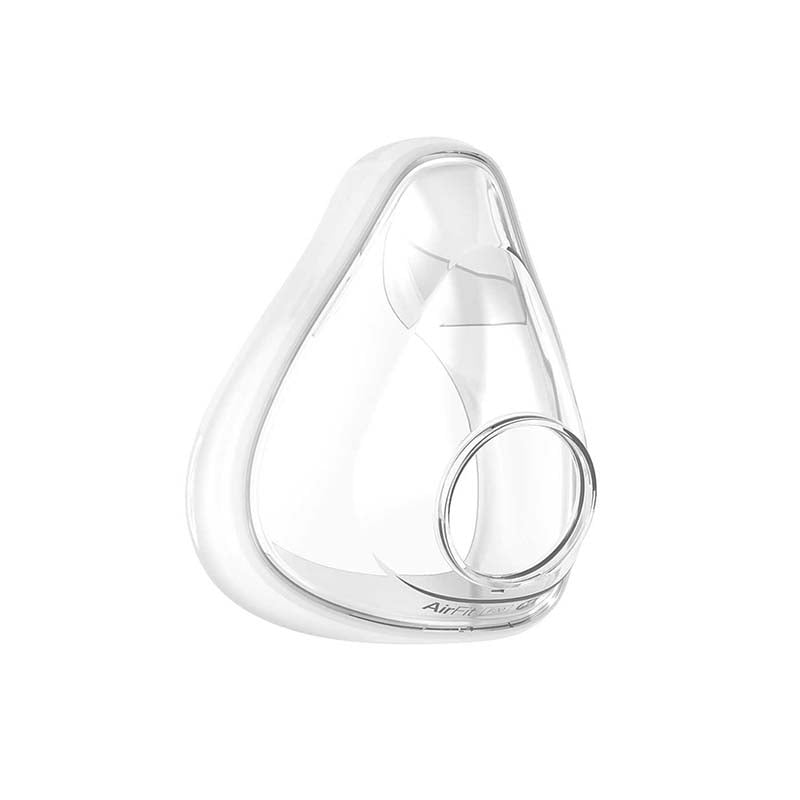
F20 AirFit
Cushion

F20 Cushion Material

The most significant difference between the AirFit F20 and the AirTouch F20 lies in the material used for the cushion that makes contact with your face.

  • AirFit F20: This mask features a cushion made of traditional silicone. Silicone cushions are known for their durability, easy maintenance, and the ability to create a strong seal against the skin. The silicone cushion in the AirFit F20 is soft and flexible, conforming to the face to reduce leaks while maintaining comfort throughout the night.
  • AirTouch F20: The AirTouch F20, on the other hand, uses an UltraSoft memory foam cushion. Memory foam provides a more adaptive fit that conforms closely to the contours of the face. This material is especially beneficial for users with sensitive skin, as it reduces the risk of skin irritation and pressure sores. However, the memory foam cushion needs to be replaced more frequently (approximately every 30 days) compared to the silicone cushion, which is more durable.

F20 Comfort and Fit

Both masks are designed to offer comfort and a secure fit, but the materials used for the cushion impact how each mask feels on the face.

  • AirFit F20: The silicone cushion is slightly firmer compared to memory foam, which some users may find reassuring as it feels more secure. It is also less likely to shift during sleep, maintaining a strong seal even if you move around a lot at night.
  • AirTouch F20: The memory foam cushion of the AirTouch F20 is softer and more pliable, providing a more personalized fit. This can be particularly advantageous for those who experience discomfort or pressure points with silicone cushions. However, because the foam is softer, it might require more frequent adjustments to maintain an optimal seal.

Maintenance and Durability

Maintenance and the longevity of the mask are crucial factors to consider, especially for those looking for low-maintenance options.

  • AirFit F20: The silicone cushion is easy to clean and can be wiped down daily. It is more resistant to oils and sweat from the skin, making it more durable over time. Generally, the silicone cushion can last several months before needing to be replaced.
  • AirTouch F20: The memory foam cushion of the AirTouch F20 is not washable and should only be wiped with a dry cloth. The foam is more susceptible to wear and tear, meaning it needs to be replaced more frequently, about every 30 days. This can lead to higher maintenance costs over time compared to the silicone cushion.

Interchangeability of Cushions

One of the advantages of choosing between the AirFit F20 and AirTouch F20 masks is that the cushions are interchangeable.

  • Cushion Interchangeability: If you already own one of these masks, you can switch between the silicone cushion from the AirFit F20 and the memory foam cushion from the AirTouch F20 without needing to purchase an entirely new mask. This flexibility allows you to experiment with both types of cushions to determine which one you prefer or to switch based on your skin’s needs or comfort preferences over time. For example, you might use the silicone cushion for durability and lower maintenance, and the memory foam cushion during periods when you need extra softness and comfort.

User Experience and Preferences

Ultimately, the choice between the AirFit F20 and the AirTouch F20 may come down to personal preference and specific needs.

  • AirFit F20: This mask is often favored by users who prioritize durability and a firm, reliable seal. The silicone cushion’s robustness makes it a go-to choice for those who want a mask that requires less frequent replacement and is easy to clean.
  • AirTouch F20: The AirTouch F20 is ideal for users who seek maximum comfort and have sensitive skin. The softness of the memory foam cushion is a significant draw, providing a gentle and cushioned feel that reduces pressure marks and irritation. However, users should be prepared for the need to replace the cushion more frequently.

Cost Considerations

The initial cost of both masks is generally similar, but the ongoing cost of replacement cushions can differ.

  • AirFit F20: The cost is generally lower in the long run due to the durability of the silicone cushion, which does not require frequent replacement.
  • AirTouch F20: While the upfront cost is comparable to the AirFit F20, the need to replace the memory foam cushion every 30 days can lead to higher ongoing expenses.

Conclusion

Both the AirFit F20 and AirTouch F20 are excellent CPAP masks, each with its own strengths. The AirFit F20 is better suited for those who value durability and easy maintenance, while the AirTouch F20 is ideal for users who prioritize comfort, especially if they have sensitive skin.

The ability to interchange the cushions between these two masks adds another layer of convenience and flexibility, allowing you to customize your CPAP experience to your needs. Whether you choose the AirFit F20 for its long-lasting silicone cushion or the AirTouch F20 for its soft and adaptive memory foam cushion, you can rest assured that you are getting a high-quality mask that will enhance the effectiveness and comfort of your CPAP therapy.

A Comparative Review of AirSense 10 and 11, Why the AirSense 10 Continues to Shine

The world of Continuous Positive Airway Pressure (CPAP) machines has seen significant advancements over the years, with leading manufacturers striving to enhance the comfort, efficiency, and user-friendliness of their devices. Among the most notable products in this space are the AirSense 10 and AirSense 11 by ResMed, two models that represent the evolution of sleep apnea treatment technology. In this article, we will compare these models based on their key features and specifications, highlighting why the AirSense 10 continues to be a remarkable machine despite the newer options available.

Design and Usability

AirSense 10: Launched in 2014, the AirSense 10 boasts a user-friendly interface with intuitive controls and an easy-to-read display. Its sleek design not only makes it an attractive bedside device but also simplifies the user experience. The machine is known for its quiet operation, ensuring that sleep is undisturbed.

AirSense 11: The newer model builds on the strengths of its predecessor with an even more streamlined design and enhanced usability features. It includes a color touchscreen display, making navigation and settings adjustment more straightforward than ever. Additionally, the AirSense 11 is designed to integrate seamlessly with ResMed’s digital health solutions, offering users and healthcare providers deeper insights into therapy data.

Features and Technology

AirSense 10: This model introduced the AutoRamp feature, which gently increases air pressure to the prescribed level as the user falls asleep, enhancing comfort. It also includes the EPR (Expiratory Pressure Relief) technology that reduces pressure upon exhalation, making breathing more natural and advanced event detection that adjusts pressure settings in real-time for different types of apneas and breathing issues. The built-in humidifier adjusts moisture levels to mitigate dryness and irritation. In 2023 the MyAir app also introduced in certain countries whihc where users can have their sleep data on their mobiles or computer.

AirSense 11: Building on the technological foundation of the AirSense 10, the AirSense 11 introduces new features such as personalized therapy settings via the ResMed app and advanced event detection that adjusts pressure settings in real-time for different types of apneas and breathing issues, It also includes the EPR (Expiratory Pressure Relief) technology that reduces pressure upon exhalation, making breathing more natural. The device also offers enhanced connectivity options, including Wi-Fi and Bluetooth, for easier data tracking and sharing.

Performance and Therapy Optimization

Both models are designed to offer exceptional therapy optimization, but the AirSense 11 takes it a step further with its advanced algorithms that adapt to the user’s breathing patterns, providing a more tailored therapy experience. However, the AirSense 10’s proven reliability and effectiveness in treating sleep apnea continue to make it a preferred choice for many users.

Why the AirSense 10 Is Still an Amazing Machine

Despite the introduction of the AirSense 11, the AirSense 10 remains a highly respected machine in the CPAP community for several reasons:

  1. Proven Reliability: Having been on the market longer, the AirSense 10 has a well-established track record of reliability and effectiveness in treating sleep apnea.
  2. Cost-Effectiveness: As the older model, the AirSense 10 is often available at a lower price point, making it an excellent value for those seeking high-quality CPAP therapy without the newest features.
  3. Ease of Use: For users who prefer simplicity and may not need advanced connectivity features, the AirSense 10’s straightforward design and intuitive controls continue to be incredibly appealing.

Conclusion

while the AirSense 11 offers the latest in CPAP technology and connectivity, the AirSense 10 remains a standout option for its reliability, ease of use, and excellent therapeutic performance. For many users, the choice between these models will come down to personal preference, specific therapy needs, and budget considerations. The AirSense 10 exemplifies how advancements in technology can create enduring products that continue to serve the needs of users long after newer models are introduced.

BiPAP vs CPAP: Understanding the Differences and Applications

BiPAP vs CPAP: Understanding the Differences and Applications

Sleep apnea, a common sleep disorder, often requires the use of a breathing assistance device during sleep. Two of the most prominent devices used for this purpose are BiPAP and CPAP machines. While both aim to assist patients with sleep apnea, they operate differently and are suited to different patient needs. This article explores the distinctions, applications, and considerations of BiPAP and CPAP machines.

What is CPAP?

Continuous Positive Airway Pressure (CPAP) is a therapy commonly prescribed for treating obstructive sleep apnea. The CPAP machine delivers a steady, continuous stream of pressurized air into a patient’s airways to keep them open during sleep. This constant airflow prevents the airways from collapsing, thereby reducing snoring and apnea episodes.

Key Features of CPAP Machines:

  • Constant, Single Pressure: CPAP delivers air at a single, constant pressure throughout the night.
  • Effectiveness for Mild to Moderate Obstructive Sleep Apnea: Particularly effective in cases of mild to moderate obstructive sleep apnea.
  • Simplicity and Ease of Use: Generally simpler in operation compared to BiPAP machines.

What is BiPAP?

Bilevel Positive Airway Pressure (BiPAP) machines, also known as BPAP, provide two levels of pressure: one for inhalation (IPAP) and a lower one for exhalation (EPAP). This dual pressure setting is particularly beneficial for patients who find it difficult to exhale against the constant pressure of a CPAP machine.

Key Features of BiPAP Machines:

  • Dual Pressure Settings: Offers different pressures for inhalation and exhalation.
  • Useful for Severe Sleep Apnea and Other Respiratory Disorders: Often prescribed for more severe forms of sleep apnea and conditions like COPD (Chronic Obstructive Pulmonary Disease).
  • Adaptive Pressure Support: Adjusts pressure based on the patient’s breathing patterns.

Comparing CPAP and BiPAP

Suitability:

  • CPAP: Best suited for individuals with mild to moderate obstructive sleep apnea.
  • BiPAP: Ideal for patients with severe sleep apnea, those with coexisting respiratory disorders, or patients who struggle with CPAP therapy.

Comfort and Tolerance:

  • CPAP: Some patients may find it hard to exhale against the constant pressure.
  • BiPAP: The varying pressures can make it easier to breathe out, increasing comfort and compliance.

Cost:

  • CPAP: Generally less expensive than BiPAP machines.
  • BiPAP: More sophisticated technology leads to higher costs.

Size and Portability:

Both CPAP and BiPAP machines are similar in size and portability, though features and accessories can vary.

Making the Right Choice

Choosing between CPAP and BiPAP should be based on medical necessity, patient comfort, and doctor’s recommendations. Patients with mild to moderate sleep apnea may find CPAP sufficient and more cost-effective. In contrast, BiPAP might be the better choice for those with severe sleep apnea, difficulty tolerating CPAP, or with specific respiratory conditions.

Conclusion

Both CPAP and BiPAP machines play critical roles in managing sleep apnea and improving sleep quality and overall health. The choice between the two should be made with careful consideration of the patient’s specific medical needs and comfort. Consultation with a doctor is essential in making an right decision. With the right device, patients can enjoy a significant improvement in sleep quality and overall wellbeing.