Category Archives: Health

Even children with higher IQs behave better when their sleep apnea is fixed

Date:
January 8, 2016
Source:
University of Michigan Health System
Summary:
Many doctors will ask about quality of sleep when children have problems at school, but new research shows it’s just as important to pay attention to how high achievers are sleeping.
Share:
FULL STORY

Many doctors will ask about quality of sleep when children have problems at school, but new research shows it’s just as important to pay attention to how high achievers are sleeping.

A study in today’s print edition of the International Journal of Pediatric Otorhinolaryngology suggests doctors and parents should pay attention to snoring, labored breathing and other symptoms of obstructive sleep apnea in bright, high-performing children as well as those who struggle in school. The researchers studied 147 children ages 3-12 that were scheduled for an adenotonsillectomy, a procedure that removes both the tonsils and the adenoids. These children also were suspected of having obstructive sleep apnea, a common reason for adenotonsillectomy. In obstructive sleep apnea, enlarged tonsils and adenoids stop children from breathing for a few seconds or tens of seconds many times during the night. Previous research shows that an adenotonsillectomy can lead to behavioral improvements in children who are struggling in the classroom or at home. But this study focused, for what researchers believe is the first time, on children who are doing well from the start. “When a clinician sees a pediatric patient who has a problem in school, they ask about sleep,” said study co-author Ronald Chervin, M.D., neurologist and director of the University of Michigan Sleep Disorders Center. “We wondered, in high-performing children, do we still need to worry about snoring or sleep issues?” All of the children in this study, from low IQ to high IQ groups, improved at a similar level when their sleep and behavior were evaluated six months after the adenotonsillectomy procedure. Parents graded their child’s behavior in areas such as inattention, hyperactivity, social problems and perfectionism. Sleep tests included monitoring brain wave patterns, eye movements, heart rhythm, muscle activity, airflow at the nose and mouth, chest movements, and snoring. “Regardless of intellectual level, we can expect to see some behavioral improvement along with better sleep,” says study co-author Bruno Giordani, Ph.D., professor of neurology, psychiatry, psychology and nursing. “Once behavior improves, attention in school improves, and emotional ability and behavioral and impulsivity control improve.” In obstructive sleep apnea, the air stops in the throat, causing the child to choke, wake up briefly to open the airway and then go back to sleep. This can happen more than a hundred times in a night. Although it’s easy to tell when an adult is sleepy the next day, it can be more difficult to spot lack of good sleep in a child. A child may become hyperactive, leading parents and providers to wonder about other reasons for the behavior. “Children with obstructive sleep apnea are fidgeting and not able to stay on task, because they’re doing anything they can to stay awake,” says first author Seockhoon Chung, M.D., Ph.D., who began the research as a U-M research fellow but is now associate professor at Asan Medical Center in South Korea. “Even when those behavioral problems are minimal, improvement is still possible.” “Deciding whether to perform an adenotonsillectomy should be about the physician’s view of how bad the sleep problem is, and how significantly it appears to be related to the tonsil and adenoid issue,” Giordani says. “Then, the physician can think about how that fits together with the child’s appearance and behavior, expecting neurobehavioral benefit.” Higher-IQ children may be less likely, in practice, to have obstructive sleep apnea recognized and treated if they do not show problems with school performance. The new findings suggest that other signs and symptoms of sleep apnea, such as loud nightly snoring, should not be ignored, because the brain and daytime behavior of a child with higher IQ may still benefit from diagnosis and treatment of the sleep disorder.

Story Source: The above post is reprinted from materials provided by University of Michigan Health System. Note: Materials may be edited for content and length.

Journal Reference:
  1. Seockhoon Chung, Elise K. Hodges, Deborah L. Ruzicka, Timothy F. Hoban, Susan L. Garetz, Kenneth E. Guire, Barbara T. Felt, James E. Dillon, Ronald D. Chervin, Bruno Giordani. Improved behavior after adenotonsillectomy in children with higher and lower IQ. International Journal of Pediatric Otorhinolaryngology, 2016; 80: 21 DOI:10.1016/j.ijporl.2015.11.005

Does my Child have Sleep Apnea?

Written by: Tarig Ali-Dinar, M.D   While it might not feel like it to the sleep-deprived parent, your child actually spends a lot of time sleeping. By age 2, the average child has spent about 9,500 hours – or 13 months – asleep. Between 2 to 5 years of age, children spend equal amounts of time awake and asleep, and during childhood and adolescence sleep continues to account for about 40 percent of a child’s day. What happens if sleep is interrupted? Beyond having a cranky kiddo, lack of sleep can have adverse effects on a child’s health. Sleep is crucial to promoting health and bodily function. It maintains memory and cognitive performance. It plays a role in the normal function of the hormone and immune systems, and there is a link between sleep duration and quality and serious health problems, including neurobehavioral changes. How is sleep interrupted? If your child snores, sleeps with the mouth open or has trouble breathing during sleep, it could be a sign of Obstructive Sleep Apnea (OSA), a treatable disorder in which a child’s breathing is partially blocked during sleep. It affects 2 to 5 percent of children across all ages, including infancy. OSA can cause your child to be unusually irritable, tired and hyperactive during the day or have poor school performance. If you think your child has OSA, discuss your concerns with a pediatrician. You may be referred to a pediatric sleep specialist, who will use a non-invasive sleep study to help diagnose your child’s sleep issues. The most common cause of OSA is enlargement of tonsils or adenoids, which can be removed surgically. Other common causes of airway blockage include abnormal facial structure, muscular diseases and being overweight. In addition to surgery, interventions like a nighttime CPAP (continuous positive airway pressure) machine, which keeps the airway open by blowing air via a nasal/face mask during sleep, are available. When weight is a factor, work with your child’s primary care physician on a weight-loss plan. By taking corrective steps, you can successfully manage your child’s OSA and get them – and yourself – back to sleep.

Losing Weight Can Ease Obstructive Sleep Apnea

Posted on June 17, 2015 by Elizabeth Klein, MPhil in Daily Diabetes   People with diabetes have a higher risk for sleep apnea, a condition in which your breathing stops and starts many times during the night. As this prevents you from getting a good night’s sleep, it puts you at a high risk for sleepiness during the day, memory and attention problems, insulin resistance, and even heart disease. Obstructive sleep apnea (OSA) is the most common type of this condition, and it usually affects people who are older or overweight. The good news is that a recent study found that people with OSA can manage the condition well by changing their lifestyle. The study, which was published in CHEST Journal, looked to see whether losing weight with certain lifestyle changes helped people with OSA feel more awake during the day. The Chinese researchers tracked 104 people with moderate to severe OSA. For one year, they were either given the standard treatment, or extra help from a dietitian. Those in the dietitian group were able to work with healthcare professionals specifically to change their eating and exercise habits. By the end of the study, the subjects in the dietitian group lowered their BMI and had a more balanced meal plan that included lots of protein and fiber. Most importantly, their OSA was improved. They woke up fewer times each night compared to the control group, and felt less sleepy during the day. The results came quickly, too. Most of the subjects in the dietitian group started to feel better and lose weight after just 4 months on the program. While more research is needed to confirm these results, they show that there is hope for people with OSA to feel better fast. If you have sleep apnea, talk to your healthcare provider about seeing a dietitian to help you change your eating habits.

Could You Have Sleep Apnea?

By Dr. Phillip C. Hall, DDS Do you snore when you sleep? Do you wake up gasping for air? Do you get morning headaches or daytime sleepiness? If so, you may be suffering from sleep apnea, a condition in which you stop breathing during the night.  Left untreated, this condition can cause serious associated medical problems like stroke, heart attack, diabetes, weight gain, or even death. Proper diagnosis for sleep apnea is made by a physician, and traditionally treated with a C-PAP machine. This machine works to keep the airway open while a person sleeps by delivering room air via a mask to the nose or face under various amounts of pressure. Even though great advances have been made, most people find C-PAP use very trying and often end in non-compliance. C-PAP compliance failures occur for various reasons, including claustrophobia, feeling of air in the stomach, noise of the machine or mask, pain or deformity from mask, annoyance of transporting device, dry nose or mouth, and irritation to ears because of air pressure. Still, for most severe sleep apnea sufferers, C-PAP is the treatment of choice if the client is compliant. For the past ten years, sleep physicians have become more accepting of oral appliances for the treatment of sleep apnea.  In fact, treatment guidelines now support a prescription of oral appliances as a first-line treatment choice for mild to moderate sleep apnea. What is an oral sleep appliance? Oral sleep appliances are devices that are worn in the mouth. Most patients are able to sleep with their mouth closed while wearing an oral appliance, and they generally do not have any attaching lines or electrical components. Although C-PAP therapy can be more therapeutic than an oral appliance if a person religiously wears their C-PAP machine, studies show that oral appliance wearers are more compliant more of the time, thus rendering it more effective. How does an oral appliance work? By use of the special attachments between the upper and lower parts of the oral appliance, the lower jaw can be moved forward and held in position while the patient sleeps, keeping the airway open. My expertise as a dentist is to determine a therapeutic position of the lower jaw that will keep the airway open at night and not cause pain in the jaw joint or its associated muscles.  The tongue muscle is one of the major offenders in obstructing the airway.  By holding the jaw forward, the back of the tongue is brought partly out of the airway.  The slight tension this causes on the associated muscles in and around the airway, also help to improve or lesson the severity of the patient’s apnea. Am I a good candidate for an oral sleep appliance? If you have your natural teeth, or a good-fitting denture with at least the lower denture being retained by implants, you are likely a good candidate.  If you have jaw or TMJ issues, the majority of the time I can incorporate the treatment of your sleep apnea and your jaw joint problems in the fabrication of your oral appliance. The severity of your apnea may make oral appliances less effective than a C-PAP.  With this noted, combination treatment, meaning wearing a C-PAP device and an oral appliance simultaneously, can lower the C-PAP pressures, making C-PAP compliance more tolerable.  Of course, if you are a C-PAP failure, oral appliance treatment is your only alternative, even though the treatment results are less than optimal. How can I obtain a sleep appliance? You can request a referral from your physician to see a dentist such as myself, who has received special training to treat patients with sleep apnea. They will fit you for an oral sleep appliance and adjust it to ensure comfort, working closely with your physician to maximize its effectiveness. If you have any questions, please make a no-charge consultation appointment with my office and I will assess your circumstances, and make the necessary referral and/or request to a sleep physician.    

Treating Sleep Apnea May Reverse Brain Changes

Sleep apnea treatment may reverse changes in brain stem activity associated with increased risk of heart disease, a new study suggests. The findings “highlight the effectiveness of CPAP treatment in reducing one of the most significant health issues [heart disease] associated with obstructive sleep apnea,” the researchers concluded. CPAP stands for continuous positive airway pressure. Previous research suggests that people with obstructive sleep apnea have greater activity in nerves associated with stress response, which can lead to high blood pressure and heart problems. This increased nerve activity is due to altered brain stem function caused by sleep apnea, earlier studies have shown. In this small study, published recently in the Journal of Neurophysiology, Australian researchers found that CPAP treatment reduced that nerve activity by restoring normal brain stem function. The study included 13 sleep apnea patients who were assessed before and after six months of CPAP treatment. “These data strongly suggest that functional and anatomical changes within the brain stem, which we believe underlie the elevated sympathetic activity in individuals with untreated obstructive sleep apnea, can be restored to healthy levels by CPAP treatment,” the University of Sydney researchers wrote. In obstructive sleep apnea, muscles in the airway collapse during sleep and block breathing. A CPAP device keeps airways open by delivering a steady flow of air while patients sleep.

All You Need to Know About Sleep Apnoea

All You Need to Know About Sleep Apnoea

What Is Sleep Apnoea?

Sleep apnoea is a serious sleep disorder where breathing repeatedly stops during the night. People with sleep apnoea often experience daytime sleepiness, poor concentration, and high blood pressure. Family members usually notice snoring, gasping, or choking noises while the person is asleep.

  • Moderate to severe sleep apnoea: Affects around 5% of adults, with breathing pauses 15 times or more per hour.
  • Mild sleep apnoea: Affects up to 20% of middle-aged people, with 5 to 15 breathing pauses per hour.

While mild cases may not always cause health problems, untreated sleep apnoea shortens life expectancy by increasing the risk of stroke, cancer, heart disease, and depression. Excessive sleepiness also triples the risk of car accidents.

Sleep Apnoea and Stroke Risk

In ageing and overweight populations, the risk of stroke rises sharply. Studies from Spain, the United States, and Australia show that people with untreated sleep apnoea are three times more likely to suffer a stroke.

Why does this happen?

  • Daytime blood pressure rises steadily.
  • During sleep, blood pressure spikes dramatically.
  • Sleep apnoea reduces the body’s ability to process cholesterol.

The consequences of stroke range from temporary disability to death. Treating sleep apnoea is key to prevention.

Sleep Apnoea and Cancer Risk

Recent studies have shown a surprising connection between sleep apnoea and cancer, unrelated to other common cancer risks.

  • Patients with sleep apnoea face a higher chance of developing cancer.
  • Oxygen fluctuations at night may cause cancer cells to grow faster.
  • Melanoma appears especially linked with sleep apnoea.

While research is ongoing, these findings highlight the importance of early diagnosis and treatment.

The Good News – Sleep Apnoea Is Treatable

Not every case carries the same risk:

  • Mild sleep apnoea can often be managed with lifestyle changes such as diet and weight loss.
  • Severe sleep apnoea is serious but highly treatable with CPAP therapy (continuous positive airway pressure).

With proper treatment, the risk of stroke, cancer, and heart problems drops significantly. Sleep apnoea is not just snoring – it is a medical condition that requires attention.

Sleep Apnoea Treatment in Europe

For people in Greece, Bulgaria, Spain, Italy, Germany and across the EU, there are CE-marked CPAP machines, CPAP masks, and accessories available. Buying from a trusted European supplier ensures fast delivery, VAT compliance, and full warranty support.

Sleep Apnea and Sex Problems it’s Not Just For Men

Sleep Apnea and Sex Problems: Not Just For Men

Sleep Apnea and Sex Problems it’s Not Just for Men

Sleep apnea, a condition in which breathing repeatedly stops and starts during sleep, has long been associated with various health complications. While the focus has often been on physical effects like high blood pressure, heart disease, and daytime fatigue, sleep apnea can also lead to sexual dysfunction — and it’s not just a men’s issue. Both men and women can experience challenges in their sexual health due to untreated sleep apnea, affecting intimacy, satisfaction, and overall well-being.

How Sleep Apnea Impacts Sexual Health

Sleep apnea’s repeated interruptions in breathing lead to lower blood oxygen levels, fragmented sleep, and increased stress on the body. This combination impacts physical and mental health in several ways that can affect sexual function for both men and women:

  1. Hormonal Changes: Sleep apnea disrupts the body’s normal hormone cycles. Testosterone, a hormone associated with sexual drive in both sexes, is typically replenished during deep sleep stages. In sleep apnea, these stages are interrupted, often leading to lower testosterone levels. This can result in a decreased libido for both men and women.
  2. Fatigue and Mood Changes: The chronic exhaustion caused by sleep apnea can reduce overall energy levels, making the idea of intimacy less appealing. Additionally, poor-quality sleep can lead to mood swings, irritability, and even depression — all factors that can diminish interest and satisfaction in sexual relationships.
  3. Impaired Blood Flow: For men, reduced blood oxygen levels associated with sleep apnea can lead to problems with blood flow, which is essential for erectile function. Women, too, rely on proper blood flow for arousal and pleasure, so sleep apnea-related oxygen dips can affect their experience as well.
  4. Impact on Relationships: Poor sleep, snoring, and waking up throughout the night can create distance and frustration between partners. The physical and emotional toll of these disruptions can add tension to relationships, making intimacy even more challenging.

Sexual Dysfunction in Men and Women with Sleep Apnea

For Men:

Erectile dysfunction (ED) is common among men with untreated sleep apnea. Studies have found a direct relationship between the severity of sleep apnea and the occurrence of ED, highlighting how reduced oxygen levels and hormonal disruptions interfere with sexual performance and desire. However, with effective treatment, such as continuous positive airway pressure (CPAP) therapy, many men experience improvements in both erectile function and libido.

For Women:

While sexual dysfunction in women with sleep apnea is less frequently discussed, research shows that it is just as prevalent. Women with untreated sleep apnea often report low libido, difficulty with arousal, and reduced satisfaction. These issues are also linked to hormonal disruptions and fatigue but are often less recognized and less frequently treated. Many women experience improvements in sexual health when their sleep apnea is managed, typically with CPAP therapy or other interventions.

The Role of CPAP Therapy in Improving Sexual Health

Continuous positive airway pressure (CPAP) therapy, the primary treatment for sleep apnea, keeps the airway open, allowing for uninterrupted breathing and more restful sleep. Studies show that regular use of CPAP therapy can restore natural sleep cycles, leading to improved hormone regulation, increased energy levels, and better overall mood. For many individuals, these changes translate into a renewed sense of vitality and sexual interest.

In addition, improved oxygen levels from CPAP therapy can benefit blood flow, enhancing arousal and erectile function. The mental and emotional benefits of better sleep can also improve relationships, making intimacy more achievable and enjoyable.

Addressing Sleep Apnea and Sexual Health: A Shared Journey

If you or your partner are experiencing both sleep apnea and sexual difficulties, addressing them together can be beneficial. It’s essential to recognize that these issues are interconnected and not unusual for either gender. Consulting with a sleep specialist can be the first step in addressing sleep apnea, which in turn may improve both partners’ experiences with intimacy. Other lifestyle changes, such as weight management, reducing alcohol consumption, and stress reduction, can also support both sleep quality and sexual health.

Ultimately, recognizing and treating sleep apnea can improve more than just sleep — it can also rejuvenate aspects of life that contribute to happiness, connection, and well-being. By acknowledging that these issues affect everyone, men and women alike, we can open the door to better conversations, understanding, and support for comprehensive health.

Conclusion: CPAP Therapy as a Path to Improved Sexual Health

For individuals affected by sleep apnea, CPAP therapy offers more than just relief from sleep disruptions; it can be a gateway to restoring and enhancing sexual health. By ensuring a steady supply of oxygen and improving overall sleep quality, CPAP therapy helps the body rebalance crucial hormones, reduce fatigue, and stabilize mood. These physical and emotional benefits translate into better energy, greater libido, and improved arousal and satisfaction for both men and women. CPAP therapy can also foster closer relationships by alleviating issues like loud snoring and interrupted sleep, which often strain intimacy. As sleep quality and health improve, many people find themselves more engaged and revitalized in their relationships, demonstrating that effective sleep apnea treatment with CPAP can play a critical role in rekindling intimacy and restoring sexual well-being.

Trucking Wakes Up To Sleep Apnea

Efforts under way to address condition that adds to fatigue Prevalence of sleep apnea among licensed Commercial Drivers: ■ 17% mild sleep apnea ■ 5% moderate ■ 4% severe Source: Federal Motor Carrier Safety Administration Transportation Risk Managers and Commercial Drivers are grappling with the problem of sleep apnea, a condition that contributes to daytime drowsiness, as they try to find ways to improve safety on the road. According to a Federal Motor Carrier Safety Administration commissioned study, out of 3.4 million licensed Commercial Drivers, approximately 26% of drivers suffering from some form of sleep apnea. Studies have shown that sleep apnea can severely impact driving performance by greatly increasing fatigue, boosting the risk of crashes. Though the commercial trucking industry is aware of the prevalence of sleep apnea among drivers, there still is much to be learned in the way the condition is diagnosed, treated and monitored, experts say. Sleep apnea is a condition in which the airway is constricted due to muscular relaxation while sleeping, with interruptions in breathing lasting several seconds at a time, often accompanied by loud snoring and resulting in non-restful sleep. Individuals considered at risk for sleep apnea are those with a body mass index of 30 or greater and a neck circumference of 17 inches or more, experts say, adding that such people often suffer from additional health problems related to obesity, such as diabetes and heart problems. Many people with sleep apnea don’t even know they have it, researchers say, adding that the sleep disorder often results in daytime sleepiness, which has severe effects on reflexes and cognitive and motor skills. “I promise you there are thousands of Commercial Drivers out there that have some form of sleep apnea,” said Don Osterberg, Vice President of Safety and Driver Training for Green Bay, Wisconsin-based Schneider National Inc. “Many drivers don’t want to talk about it, or are in denial that they have a medical condition, or don’t even know they have it. They are not educated on sleepiness, and they might think that daytime sleepiness is normal to them and they don’t realize it is abnormal.” Mr. Osterberg said at least 17% of drivers at Schneider are afflicted with severe sleep apnea. To deal with the issue, Mr. Osterberg said Schneider recently funded an initiative to help diagnose and treat their drivers as a way to help mitigate health care costs and reduce the crash risk on the road. As a result, Mr. Osterberg said Schneider has seen a “significant reduction” in the frequency and severity of crashes. “Making this a safety priority has paid back dividends,” he said. Drivers who are diagnosed with sleep apnea are required by the FMCSA to be “disqualified until diagnosis of sleep apnea is ruled out or has been treated successfully.”

facing a problem with your memory?

A small test that have been done on 18 people with severe sleep apnea showed that this ability called spatial memory was impaired when sleep apnea disturb the phase of REM stage of sleep even when other stage weren’t effected. Sleep apnea may make it hard for you to remember simple things, such as where you parked your car or left your house keys, a small study suggests. Tests on 18 people with severe sleep apnea showed that this ability –called spatial memory — was impaired when sleep apnea disrupted rapid eye movement (REM) sleep, even when other stages of sleep weren’t affected. REM sleep is the deepest level of sleep, during which dreams typically occur. “We’ve shown for the first time that sleep apnea, an increasingly common medical condition, might negatively impact formation of certain memories, even when the apnea is limited to REM sleep,” study leader Dr. Andrew Varga, a clinical instructor of medicine in the division of pulmonary, critical care and sleep medicine at the NYU Langone Medical Center in New York City, said in an NYU news release. “Our findings suggest memory loss might be an additional symptom for clinicians to screen for in their patients with sleep apnea,” added Varga, who is also an attending physician in NYU’s Sleep Disorders Center. While the study found an association between sleep apnea and impaired memory, it did not prove a direct cause-and-effect link between the two. The study was published online Oct. 29 in the Journal of Neuroscience. People with sleep apnea experience periods of disrupted breathing during the night. Sleep apnea can occur at any stage of sleep, but is often worst during REM sleep. Some people have sleep apnea only during REM sleep, the researchers noted. Sleep apnea affects 4 percent of Americans overall, and as many as one in four middle-aged men.

What is central sleep apnea and what causes it?

What is central sleep apnea and what causes it

Central Sleep Apnea (CSA) occurs when the brain fails to send proper signals to the muscles responsible for breathing. This condition is typically seen in infants, particularly those born prematurely, and in adults with underlying conditions such as heart disease, cerebrovascular disorders, or congenital abnormalities. It may also be triggered by certain medications or high-altitude environments.

Central Sleep Apnea in Infants

CSA may affect both premature infants (born before 37 weeks of gestation) and full-term infants. It is defined as apneic episodes lasting longer than 20 seconds, often accompanied by a slowed heart rate, reduced blood oxygen levels, or hypotonia (a generalized relaxation of muscle tone). These infants often require the use of an apnea monitor, which sounds an alarm when an apneic episode occurs.
It is important to note that central sleep apnea in infants is not the same as sudden infant death syndrome (SIDS).

Mechanism of Breathing Control

Under normal circumstances, the brain continuously monitors oxygen and carbon dioxide levels in the blood to regulate breathing. When oxygen levels drop or carbon dioxide levels rise, the brain increases the rate and depth of breathing to correct the imbalance.

In individuals with chronic heart or lung disease, carbon dioxide levels may remain elevated over time. In such cases, the brain becomes desensitized to oxygen levels and relies primarily on carbon dioxide levels to regulate breathing. However, when someone breathes more deeply or rapidly—“blowing off” too much carbon dioxide—the brain slows the respiratory drive. As carbon dioxide builds up again, the brain eventually signals to increase breathing once more.
This delayed response creates a cyclical breathing pattern, known as Cheyne-Stokes respiration, characterized by alternating periods of rapid breathing, slow breathing, and apnea. Although this pattern may occur both during wakefulness and sleep, it tends to be more pronounced and problematic during sleep.
Cheyne-Stokes respiration is particularly common in patients with heart failure, and it is frequently associated with central sleep apnea.

Diagnosis and Treatment

Central sleep apnea is most often seen in adults with underlying medical conditions, and in infants with prematurity or congenital disorders. In both populations, the condition is usually identified by a primary care provider or pediatrician. Diagnosis is confirmed through a sleep study (polysomnography) or continuous overnight monitoring in a hospital setting.

  • In Infants: Treatment typically involves the use of an apnea monitor that uses sensors to detect breathing irregularities and sounds an alarm during apnea events. The alarm not only alerts caregivers but often wakes the infant, resuming normal breathing. Most infants outgrow CSA as they mature, and monitoring can eventually be discontinued. However, those with congenital conditions may require longer-term monitoring.
  • In Adults: Treatment focuses on addressing the underlying cause, such as optimizing management of heart disease, adjusting medications, or mitigating the effects of high altitude. In some cases, specific therapies like adaptive servo-ventilation (ASV) may be used to stabilize breathing patterns during sleep.

Sleep apnoea, sleepiness, inflammation and insulin resistance in middle-aged males and females

Abstract

In obese males obstructive sleep apnoea (OSA) is associated with inflammation and insulin resistance; however, findings are confounded by adipose tissue, a hormone- and cytokine-secreting organ. Our goal was to examine whether in a relatively nonobese population, OSA is associated with sleepiness and inflammation/insulin resistance, and to assess the effects of a 2-month placebo-controlled continuous positive airway pressure (CPAP) use.

77 subjects, 38 middle-aged males and post-menopausal females with OSA and 39 male and female controls, were studied in the sleep laboratory for 4 nights. Measures of sleepiness (objective and subjective), performance, serial 24-h blood samples for interleukin (IL)-6, tumour necrosis factor receptor (TNFR)-1, leptin and adiponectin, and single samples for high-sensitivity C-reactive protein (hsCRP), fasting glucose and insulin levels were obtained.

Apnoeic males were significantly sleepier and had significantly higher hsCRP, IL-6, leptin and insulin resistance than controls. Apnoeic females had significantly higher hsCRP; however, objective sleepiness, IL-6, TNFR-1, insulin resistance (Homeostatic Model Assessment index), leptin and adiponectin were similar to controls. CPAP improved subjective sleepiness, but no changes were observed in any of the biomarkers.

In conclusion, OSA is associated with sleepiness, inflammation and insulin resistance, even in nonobese males, and this association is stronger in males than in females. Short-term CPAP does not improve the inflammatory/metabolic aberrations in OSA.

  Original Article – Sleep Medicine
  • Ilia Kritikou,
  • Maria Basta,
  • Alexandros N. Vgontzas,
  • Slobodanka Pejovic,
  • Duanping Liao,
  • Marina Tsaoussoglou,
  • Edward O. Bixler,
  • Zacharias Stefanakis,
  • and George P. Chrousos
Eur Respir J January 2014 43:145155; published ahead of print April 18, 2013, doi:10.1183/09031936.00126712

Scheduled for surgery? Read more Before it!

New research suggests that you may want to get screened and treated for obstructive sleep apnea (OSA) before going under the knife. According to a first-of-its-kind study in the October issue of Anesthesiology, the official medical journal of the American Society of Anesthesiologists® (ASA®), patients with OSA who are diagnosed and treated for the condition prior to surgery are less likely to develop serious cardiovascular complications such as cardiac arrest or shock.

“OSA is a common disorder that affects millions and is associated with an increased risk of surgical complications, but the condition often goes unrecognized,” said Thomas Mutter, M.D., lead author, department of anesthesia and perioperative medicine, University of Manitoba, Winnipeg, Canada. “As many as 25 percent of surgical patients may have OSA, but the vast majority of these patients aren’t treated or don’t know they have the disorder.” OSA causes the soft tissue in the rear of the throat to narrow and repeatedly close during sleep. The brain responds to each of these “apnea events” by waking the person in order to resume breathing. Since apnea events can happen hundreds of times per night, sleep becomes broken and ineffective and can lead to serious health problems if undetected. Those who are overweight or have high blood pressure are predisposed to developing OSA. It tends to occur in men but women can also develop OSA. Symptoms of apnea may include: heavy snoring, pauses in breathing during sleep and excessive sleepiness during the day. The study compared postoperative outcomes in 4,211 patients with OSA, who were diagnosed by sleep study either before or after surgery, with a matched control group of patients who did not have the condition. Those who were diagnosed with OSA prior to surgery were prescribed treatment with continuous positive airway pressure (CPAP) therapy. CPAP keeps a patient’s airway open by gently delivering pressurized air through a face mask. The study found that although patients with untreated OSA were at an increased risk of developing cardiovascular complications, patients who were diagnosed and treated with CPAP therapy before surgery were less than half as likely to experience cardiovascular complications such as cardiac arrest or shock. Additionally, researchers found that respiratory complications were twice as likely to occur in patients with OSA, compared to patients without the condition, regardless of when patients were diagnosed or if CPAP therapy was prescribed. For both cardiovascular and respiratory complications, increasing severity of OSA was associated with increased risk. Age, type of surgery and other diseases were also important risk factors   Journal Reference:
  1. Thomas C. Mutter, Dan Chateau, Michael Moffatt, Clare Ramsey, Leslie L. Roos, Meir Kryger. A Matched Cohort Study of Postoperative Outcomes in Obstructive Sleep Apnea. Anesthesiology, 2014; 121 (4): 707 DOI:10.1097/ALN.0000000000000407

Treating sleep apnea in cardiac patients reduces hospital readmission

A study of hospitalized cardiac patients is the first to show that effective treatment with positive airway pressure therapy reduces 30-day hospital readmission rates and emergency department visits in patients with both heart disease and sleep apnea. The results underscore the importance of the “Stop the Snore” campaign of the National Healthy Sleep Awareness Project, a collaboration between the Centers for Disease Control and Prevention, American Academy of Sleep Medicine, Sleep Research Society and other partners.

Results show that none of the cardiac patients with sleep apnea who had adequate adherence to PAP therapy were readmitted to the hospital or visited the emergency department for a heart problem within 30 days from discharge. In contrast, hospital readmission or emergency department visits occurred in 30 percent of cardiac patients with sleep apnea who had partial PAP use and 29 percent who did not use PAP therapy.

Journal Reference:
  1. Shilpa R. Kauta, Brendan T. Keenan, Lee Goldberg, Richard J. Schwab. Diagnosis and Treatment of Sleep Disordered Breathing in Hospitalized Cardiac Patients: A Reduction in 30-Day Hospital Readmission Rates. Journal of Clinical Sleep Medicine, 2014; DOI: 10.5664/jcsm.4096

Sleep Apnea Tests and Diagnosis

Sleep Apnea Test which is Right for You?
If you have symptoms of sleep apnea, your doctor may ask you to have a sleep apnea test, called a polysomnogram. This may be done in a sleep disorder center or even at home. A polysomnogram — or sleep study — is a multiple-component test that electronically transmits and records specific physical activities while you sleep. The recordings are analyzed by a qualified sleep specialist to determine whether or not you have sleep apnea or another type of sleep disorder. If sleep apnea is determined, you may be asked to do further sleep testing in order to determine the best treatment option.
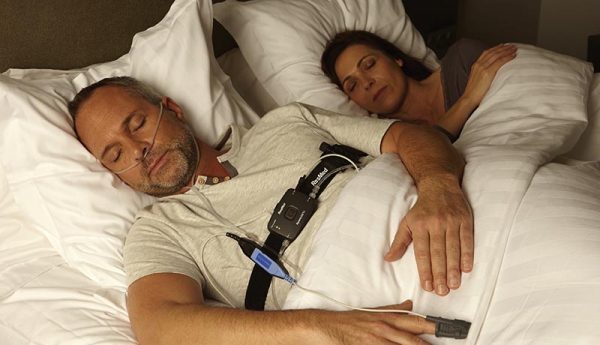
What to Expect During a Sleep Study On the night of your sleep study if you are in a sleep center lab, you will be assigned to a private bedroom in the sleep center or hospital. Near the bedroom will be a central monitoring area, where the technicians monitor sleeping patients. You will be hooked up to equipment that may look uncomfortable. However, most people fall asleep with little difficulty. Similar, more portable equipment is now available for home testing, especially for less complicated cases or situations.
Equipment Used for a Sleep Study During a sleep study, surface electrodes will be put on your face and scalp and will send recorded electrical signals to the measuring equipment. These signals, which are generated by your brain and muscle activity, are then recorded digitally. Belts will be placed around your chest and abdomen to measure your breathing. A bandage-like oximeter probe will be put on your finger to measure the amount of oxygen in your blood.
Other Tests and Equipment Used for Sleep Apnea. EEG (electroencephalogram) to measure and record brain wave activity. EMG (electromyogram) to record muscle activity such as face twitches, teeth grinding, and leg movements, and to determine the presence of REM stage sleep. During REM sleep, intense dreams often occur as the brain undergoes heightened activity. EOG (electro-oculogram) to record eye movements. These movements are important in determining the different sleep stages, particularly REM stage sleep. ECG (electrocardiogram) to record heart rate and rhythm. Nasal airflow sensor to record airflow. Snore microphone to record snoring activity.    

Tongue size and fat

A new study of obese adults is the first to show that those who have obstructive sleep apnea have a significantly larger tongue with a higher percentage of fat than obese controls. This may provide a mechanistic explanation for the relationship between obesity and sleep apnea.

Results show that obese participants with sleep apnea had significantly greater tongue volumes, tongue fat and percentage of tongue fat than obese controls without sleep apnea, after adjusting for potential confounders such as age, body mass index (BMI), gender and race. Further analysis found that tongue fat percentage in participants with sleep apnea was site specific, with increased fat toward the base of the tongue in the retroglossal region. “This is the first study to show that fat deposits are increased in the tongue of obese patients with obstructive sleep apnea,” said principal investigator and senior author Dr. Richard J. Schwab, Professor in the Department of Medicine and co-director of the Penn Sleep Center at the University of Pennsylvania Medical Center in Philadelphia. “This work provides evidence of a novel pathogenic mechanism explaining the relationship between obstructive sleep apnea and obesity.” Study results are published in the Oct. 1 issue of the journal Sleep. “Tongue size is one of the physical features that should be evaluated by a physician when screening obese patients to determine their risk for obstructive sleep apnea,” said American Academy of Sleep Medicine President Dr. Timothy Morgenthaler. “Effective identification and treatment of sleep apnea is essential to optimally manage other conditions associated with this chronic disease, including high blood pressure, heart disease, Type 2 diabetes, stroke and depression.” The study involved 90 obese adults with sleep apnea and 31 obese controls without sleep apnea. All subjects underwent high resolution upper airway magnetic resonance imaging (MRI). Sophisticated volumetric reconstruction algorithms were used to study the size and distribution of upper airway fat deposits in the tongue. The authors proposed that in addition to enlarging the size of the tongue, increased tongue fat may impair the functioning of the muscles that attach the tongue to bone, preventing these muscles from positioning the tongue away from the airway. According to the authors, future studies should examine the effectiveness of removing tongue fat through weight loss, upper airway exercises or surgery as a potential treatment for sleep apnea. The American Academy of Sleep Medicine reports that excess body weight is the major predisposing factor for obstructive sleep apnea (OSA). Common warning signs for sleep apnea include snoring and choking, gasping, or silent breathing pauses during sleep. The AASM and other partners in the National Healthy Sleep Awareness Project urge anyone with signs or symptoms of sleep apnea to visit http://www.stopsnoringpledge.org to pledge to “Stop the Snore” and talk to a doctor about sleep apnea. Adults who have a BMI of 30 or higher are considered to be obese. According to the Centers for Disease Control and Prevention, 34.9 percent of U.S. adults — 78.6 million people — are obese, based on nationally representative survey data from 2011 — 2012 Journal Reference:
  1. Andrew M. Kim, Brendan T. Keenan, Nicholas Jackson, Eugenia L. Chan, Bethany Staley, Harish Poptani, Drew A. Torigian, Allan I. Pack, Richard J. Schwab. Tongue Fat and its Relationship to Obstructive Sleep Apnea. SLEEP, 2014; DOI:10.5665/sleep.4072