Category Archives: Health

Sleep Apnea May Increase Risk of Dementia and Memory Loss

Sleep Apnea May Increase Risk of Dementia and Memory Loss
Got a

CPAP Machines

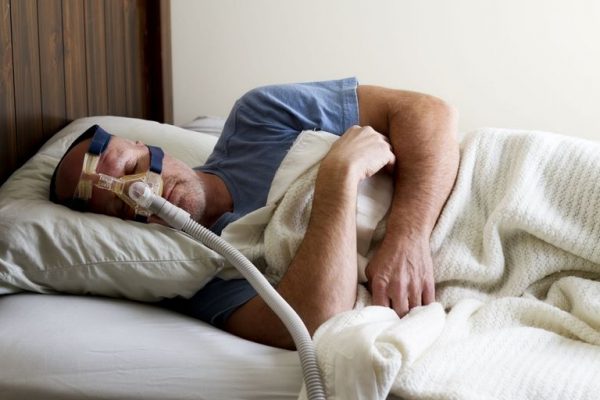
CPAP machines treat sleep apnea by using a mask to place pressurized air in your mouth to keep your airway open. Multiple studies found that CPAP treatment may be able to help address the decline in thinking and memory connected with sleep apnea. Many people report an improvement in their sleeping and functioning after using a CPAP machine.

Next Steps

While these studies don’t prove that sleep apnea causes dementia, they do show a fairly strong correlation. In light of this, as well as the other health risks that sleep apnea has been tied to, identification and treatment by a physician is strongly recommended. Addressing your sleep apnea could be a fairly simple way to improve your current and future health, both for your body and your brain.

Should You Make 15,000 Steps per Day Your Goal?

Should You Make 15,000 Steps per Day Your Goal

You Might Reduce Your Cardiovascular Risks by Walking More and Sitting Less

By Wendy Bumgardner | Reviewed by Richard N. Fogoros, MDUpdated May 23, 2017

If you own a pedometer or fitness band, it likely has a suggested goal of 10,000 steps per day. But would you be smarter to set the goal at 15,000 steps per day if you want to reduce your risks of heart disease and metabolic syndrome? A 2017 study of postal workers in Scotland suggests that the higher number is better, especially if you also spend less time sitting.

15,000 Steps per Day Show Benefits

The study of non-smoking postal workers in Glasgow, Scotland matched 55 office workers who had sedentary jobs with 56 delivery workers who were on their feet most of the workday.

Each wore a sophisticated pedometer for seven days that tracked their steps as well as their walking speed and whether they were standing or sitting. They were tested to see what their indicators were of coronary heart disease risk.

The study found that those who spent more time sitting had a significantly higher risk for coronary heart disease, including larger waist size, more elevated triglycerides, and lower HDL cholesterol. The postal workers who had zero risk factors were those who walked more than 15,000 steps per day or spent more than 7 hours a day standing or walking as opposed to sitting.

How Far Are 15,000 Steps?

In 15,000 steps you would walk 6.5 to 7 miles (10.5 to 11 kilometres) depending on your stride length. At a brisk, continuous walking pace it takes 2 hours or a less. At a more leisurely pace and with starts and stops as would be encountered by mail carriers, it would be about 3 hours a day of walking.

This amount of walking at work was noted as typical for nurses, restaurant servers, and warehouse workers in previous studies. But the average sedentary office worker may only log 1000 to 3000 steps during the workday.

The calories burned in 15,000 steps depends on your weight and stride length, but it’s around 500 calories for a 130-pound person and 600 for a 160-pound person.

That can make a difference in your calorie balance if you control your eating, and it can assist in weight loss or maintaining your weight.

Does This Mean 10,000 Steps Isn’t Enough?

If you’ve been working hard to achieve 10,000 steps each day, don’t think it is for nought. The risks of metabolic syndrome went down in proportion to the amount of Activity each day. It’s just that in this study, the best risk reduction was seen at 15,000 steps or greater.

It’s also important to note that spending less time sitting was shown to reduce risks. It is possible to get 10,000 steps while sitting the rest of the time at work or at home. Many people ensure they get in enough time walking, running, or doing a gym workout to make their step goal for the day. But the time they spend sitting can be working against them and raising their health risks despite those bouts of Activity.

Stop Sitting, Start Stepping?

The study found that less sitting was associated with a smaller waist size as well as a lower risk of coronary heart disease. While the sample size was small, that ties in with other research that links sedentary behaviour with increased risks for cardiovascular disease and diabetes mellitus. Reducing sitting time and replacing it with a couple of minutes of Activity every half hour or hour can help, as can spending more time doing a low-level activity such as slowly walking while using a treadmill desk.

Check How Far You Walk Each Day

If you want to boost your step count, start with where you are right now. You can count your steps using a pedometer or fitness band, or use the pedometer function built into your smartphone. There are several different pedometer apps that can help you access it. For example, if you use an iPhone, search for Activity in the Health Data app to see your daily steps taken while you carried your phone. If you have an Android phone, the Google Fit app is likely already installed, and you can check it for your step count.

Within that day, were there hours you were less active?

One goal to reduce inactivity is to walk 250 steps each hour, which is two to three minutes of Activity. Spot the waking hours where you were least active and think of how you can build at least a little more activity into that time.

How Can You Walk 15,000 Steps per Day Without an Active Job?

Once you see what your intermediate steps are on workdays as well as weekends, you can start to make changes to increase them. Start with where you are, such as an average of 6,000 steps per day on workdays. Aim to add 2,000 more steps per day to that total most days. That is about an extra mile and 15 to 20 minutes of walking distributed throughout the day.

  • Take at least 250 steps each hour, or 100 steps every 30 minutes throughout the day. This is a movement goal built into the newer models of Fitbit and Garmin fitness bands to help people break up stretches of inactivity. Over the course of an 8-hour workday and commute time, those extra bouts can add up to an additional 1,000 to 2,000 steps.
  • Spend work breaks moving. You will also need to think about spending your work breaks walking so you can log 10 to 30 minutes of more continuous exercise at a time. If you don’t want to break a sweat at work, these can be easy walks, perhaps even having walking meetings with colleagues or strolling with a fellow employee.
  • Make part of your commute on foot. Sitting in the car, or on the bus or train is idle sitting time. Is there a place you can park, or a stop you can use, so you get in extra minutes walking? Is it possible to walk to work and ride home, or vice versa?
  • Look for active ways to spend at more of your evening. If you usually spend the evening sitting, how can you be more active? You can start by continuing to ensure you get at least 250 steps each hour. Do a little light housecleaning and decluttering. Go for a quick walk around the block. Be the one who takes out the trash, walks the dog, or goes to get the mail.
  • Do more tasks on foot. If you need something from the store or to mail a letter, can you go on foot instead of by car?
  • Find an active hobby or sport. Golfing, birding, and playing Pokemon Go on foot are just some of the activities that will log plenty of steps while you are having fun.

These tactics can add 2000 to 4000 more steps to your day. Start with that and after you have a week of consistently achieving your new goal, you can then look for even more ways to build in extra Activity.

Add Moderate-to-Vigorous Intensity Exercise Workouts

The minimum amount of moderate-intensity exercise you need to reduce health risks and help maintain weight is 30 to 60 minutes per day, most days of the week. This is in addition to the steps you take at a leisurely pace. For weight loss and to prevent regaining weight, the goal should be 30 to 90 minutes per day, most days of the week.

These will be sessions of brisk walking, running, shooting hoops, or other Activity. Here is where you’ll log 5,000 to 12,000 steps. You can include cycling time, although you’ll have to convert it to an equivalent number of steps.

Many fitness bands and apps track whether you are exercising at enough intensity for the session to be counted as moderate or vigorous. Making the goal of 30 minutes of moderate-intensity or 15 minutes of vigorous-intensity exercise each day can ensure you are getting the minimum needed to reduce health risks.

A Word From Verywell

Numbers help you focus on a goal, and one study doesn’t prove that 15,000 is a magic number. If you’ve been achieving 10,000 steps per day but would like to reduce your health risks further, look for ways to reduce your sitting time and ensure you get enough moderate-to-vigorous exercise each day. If you struggle to get to 10,000, find a way to add 2,000 steps to your daily average. Every step you take is a step in the right direction.

Sources:

Keeping It Off. CDC. https://www.cdc.gov/healthyweight/losing_weight/keepingitoff.html.

Physical Activity and Health: The Benefits of Physical Activity. CDC. https://www.cdc.gov/physicalactivity/basics/pa-health/index.htm#ControlWeight

Tigbe WW, Granat MH, Sattar N, Lean MEJ. Time spent in sedentary posture is associated with waist circumference and cardiovascular risk. International Journal of Obesity. 2017;41(5):689-696. doi:10.1038/ijo.2017.30.

Young DR, Hivert M-F, Alhassan S, et al. Sedentary Behavior and Cardiovascular Morbidity and Mortality: A Science Advisory From the American Heart Association. Circulation. 2016;134(13). doi:10.1161/cir.0000000000000440.

Understanding Non-REM and REM Sleep Stages

Understanding Non-REM and REM Sleep Stages

Sleep Studies Identify Different Patterns Based on Brain Waves on EEG

The function of normal sleep and how various sleep disorders occur, it is necessary to understand the basics of sleep stages. For example, what is the difference between non-REM and REM sleep?

What stage of sleep is the deepest? When is the body restored or memory processed? When do vivid dreams occur? Discover the answers to these common questions.

The various sleep stages are distinctive, and they can be identified through the use of a limited EEG.

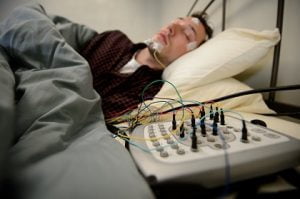
The EEG, which is performed during a standard sleep study (polysomnogram), is a measurement of the brain’s continuous brain wave patterns or electrical activity. This is done by placing electrodes on the scalp with a conducting paste that helps detect electrical patterns.

The recorded activity can be categorized into two basic stages – non-rapid eye movement (NREM) and rapid eye movement (REM) sleep.

An electrooculogram, or EOG, measures the electrical activity associated with eye movements during sleep. It can monitor eyeball movement during both REM and non-REM sleep.

What Is NREM Sleep?

Non-rapid eye movement (NREM) sleep, or Non-REM sleep, consists of three stages (N1, N2, and N3), each having recognizable electrical brain wave patterns. NREM makes up the largest portion of the sleep cycle.

NREM is characterized by decreased blood flow to the brain and skeletal muscle.

There is also decreased heart rate, blood pressure, and air volume moving in and out of the lungs.

Stage 1 (N1) involves slow rolling eye movements and partial relaxation of voluntary muscles. It is a very light stage of sleep and is often misinterpreted as wakefulness by the person asleep.

Stage 2 (N2) shows characteristic patterns on the EEG, including K complexes and sleep spindles. The K complex is a high-amplitude wave, meaning that it is tall and wide. Sleep spindles are closely spaced high-frequency waves, meaning they are not as tall and occur quickly over a short period. These are recognized in sleep studies by trained individuals and are used to identify sleep stages. Stage 2 makes up about 50 percent of our sleep on average.

Stage 3 (N3) shows high amplitude activity consisting of tall and wide waves on EEG and is recognized as the deepest of the three NREM stages of sleep. This is the stage in which growth hormone is released, especially in children. It is very hard to wake the person and usually occurs in the first one-third of the night. It is important for the restoration of the body’s tissues.

What Is REM Sleep?

Rapid eye movement (REM) occurs several times during sleep, but it comprises the smallest portion of your sleep cycle. It is notable for the presence of rapid eye movements (REM), which is the fast movement of your eyes in different directions while you are asleep. This is a stage of sleep with intense activity in certain parts of the brain.

The EEG recordings, more patterned in earlier stages, become desynchronized during REM and appear a lot like wakefulness.

This is the stage of sleep when vivid dreaming occurs, like a movie going through your mind. It is important for memory processing and learning.

Except for your eye muscles and diaphragm, you have no motor function during REM. This loss of muscle tone during REM sleep may conserve energy and protect you from acting out your dreams. It also may worsen the risk of sleep apnea in susceptible individuals.

In addition, REM leads to changes in blood pressure, heart rate, and breathing rate.

Blood flow is increased to the brain and penis, and clitoris, resulting in engorgement. This is the cause of morning erections in men.

Dividing Sleep into Patterns Using a Hypnogram

Sleep architecture represents the structure of your sleep and is generally composed of a cyclical pattern of the various NREM and REM sleep stages.

There are four to six cycles of NREM sleep per night, followed by brief intervals of REM sleep. Each cycle lasts about 90 minutes. As the night progresses, the periods of NREM become shorter, and the periods of REM become longer. Most REM sleep occurs in the last third of the night, towards morning. The average adult will spend about 20 to 25 percent of the night in REM sleep, but this may decrease as we age.

Source:

Mowzoon, N et al. “Neurology of Sleep Disorders.” Neurology Board Review: An Illustrated Guide. 2007;720-722.

Sleep Apnea and Rheumatoid Arthritis: Is There a Link?

Sleep Apnea and Rheumatoid Arthritis: Is There a Link

Do People With Rheumatoid Arthritis Have an Increased Risk of Sleep Apnea?

By Carol Eustice | Reviewed by a board-certified physician

Updated January 27, 2017


Sleep disorders are prevalent among people who have rheumatoid arthritis. Fatigue is recognized as a huge problem for those living with the disease. At one time, it was said to be unclear if obstructive sleep apnea was associated with rheumatoid arthritis. Obstructive sleep apnea is one of three types of sleep apnea.

What’s the current thinking? Is there a higher risk of developing obstructive sleep apnea if you have rheumatoid arthritis?


Is obstructive sleep apnea the cause of sleep disturbance and fatigue which are common complaints of people with rheumatoid arthritis? Let’s consider what researchers have determined.

What Is Rheumatoid Arthritis?

Rheumatoid arthritis is a chronic, autoimmune, inflammatory type of arthritis. While symmetric joint pain and joint damage are characteristic of rheumatoid arthritis, there may be systemic effects and extracurricular manifestations as well. About 1.5 million people in the United States have rheumatoid arthritis, according to the Centers for Disease Control and Prevention (CDC).

What Is Sleep Apnea?

Sleep apnea is the most common sleep-related breathing disorder. With sleep apnea, a person’s breathing is interrupted or essentially stops, during sleep. In North America, the estimated prevalence—when obstructive sleep apnea is defined as apnea-hypopnea index (AHI) of greater than 5 events per hour as determined by polysomnogram—is 20 to 30 percent in males and 10 to 15 percent among females.


While apnea refers to the temporary suspension of breathing, hypopnea refers to slow or shallow breathing. Episodes of sleep apnea result in reduced oxygen saturation.

Risk factors associated with sleep apnea include:

  • Advancing age
  • Male gender
  • Obesity
  • Craniofacial or upper airway soft tissue abnormalities


Other risk factors that have been identified include smoking, nasal congestion, menopause, and family history of sleep apnea. Certain medical conditions have been linked to a higher rate of sleep apnea, including pregnancy, end-stage renal disease, congestive heart failure, chronic lung disease, and stroke. Researchers have also found a link between rheumatoid arthritis and an increased risk of obstructive sleep apnea.

How Are Sleep Apnea and Rheumatoid Arthritis Connected?

According to study results published in BMJ Open (2016), the overall incidence rate of obstructive sleep apnea was 75 percent higher in the cohort of people with rheumatoid arthritis compared to those without rheumatoid arthritis. The findings were derived from the first retrospective cohort study that utilized nationwide population-based data. Previous studies of sleep apnea and its possible association with rheumatoid arthritis were based on case reports or case studies with small sample size.

The BMJ Open study discussion states that the risk of obstructive sleep apnea is greater in men than women, in older people compared to younger people, and in those with comorbidity. The risk of sleep apnea is known to be associated with hypertension, hyperlipidemia, ischemic heart disease, and obesity.


With regard to rheumatoid arthritis, certain factors appear to contribute to the higher risk of sleep apnea, including micrognathia, cervical spine abnormalities, involvement of the temporomandibular joint, the involvement of the cricoarytenoid joint, and obesity.

  • Micrognathia is a condition where the lower jaw is smaller than normal. This is often characteristic of juvenile idiopathic arthritis. It also can occur as adult-acquired micrognathia associated with rheumatoid arthritis, in some cases due to destruction of the temporomandibular joint, leading to obstruction of the upper airway and obstructive sleep apnea.
  • Cervical spine issues can occur with rheumatoid arthritis, specifically, instability of the occipital-cervical junction, misalignment of the occipital-cervical region, as well as other abnormalities, such as the presence of osteophytes. Cervical misalignment can cause upper airway narrowing, brainstem compression, and can affect the severity of sleep apnea. Occipital-cervical (surgical) fusion may help to correct that particular abnormality and improve sleep apnea.
  • Temporomandibular joint involvement—Destruction of the temporomandibular joint related to rheumatoid arthritis can reduce the size of the upper airway and contribute to sleep apnea in those who are affected.
  • Cricoarytenoid joint involvement—The cricoarytenoid joints are located between the cricoid and paired arytenoid cartilages in the back wall of the larynx. The cricoarytenoid joints open, close, and tighten the vocal cords during speaking and breathing. Abnormalities can contribute to sleep apnea in people with rheumatoid arthritis.

Genetic factors, exposure to certain environmental conditions, other comorbidities, and lifestyle choices or behaviours, such as a less-than-optimal diet (e.g., too much sugar or fat), heavy drinking or smoking, and insufficient exercise may also be contributing factors.

It was also suggested that the known association between cardiovascular disease and rheumatoid arthritis may, in part, be due to sleep apnea. Obstructive sleep apnea has been tied to inflammation, coagulation, and endothelial dysfunction. As contributing factors have been identified, the cause and effect become more apparent and the need for managing each factor is obvious.

The factors must be considered from the perspective of how rheumatic diseases are related to sleep apnea. For example, it has been determined that people with obstructive sleep apnea have elevated acute-phase reactants (CRP, sedrate) and pro-inflammatory cytokines. It has been reported that some interleukins, specifically, IL-1, IL-2, IL-6, Il-8, IL-18, and TNF-alpha promote non-REM (rapid eye movement) sleep. IL-4, IL-10, IL-13, and TNF-beta inhibit non-REM sleep.

Inflammatory cytokine levels are proportionate to the severity of sleep apnea. Higher levels of TNF-alpha have been associated with more severe obstructive sleep apnea and hypoxia. This may explain why people with rheumatoid arthritis who are treated with TNF blockers find that their fatigue level improves. More study would be needed to draw a conclusion regarding the impact of specific rheumatoid arthritis treatments.

How Should It Be Managed?

The association of rheumatoid arthritis and sleep apnea may significantly contribute to increased morbidity and mortality in people who have both conditions. That the association may contribute to the increased risk of cardiovascular disease in rheumatoid arthritis patients is perhaps most noteworthy.

Rheumatologists should look for signs of sleep apnea in their patients when interviewing and evaluating them and, if indicated, refer to a sleep specialist or sleep clinic. Sleep apnea is typically managed by utilizing CPAP devices. Compliance with CPAP devices is a problem for some though. It might be best described as cumbersome. Other possible means for the management of sleep apnea involve specific body position during sleep to keep the airway open, weight loss, and the use of devices to move the mandible forward thereby reducing airway obstruction. For certain, the problem should not be ignored.

The Bottom Line

When someone with rheumatoid arthritis complains to their doctor about fatigue, it should not initially be dismissed as a common characteristic associated with the disease. It should not be assumed that fatigue is simply related to sleep disruption and sleep fragmentation associated with pain. While that may be true in most cases, the hard work of determining the cause must be undertaken. Sleep apnea must be ruled in or out. The potential consequences of untreated sleep apnea are too great otherwise.

Sources:

Ataka, H. et al. Occipitocervical Fusion Have Potential to Improve Sleep Apnea in Patients With Rheumatoid Arthritis and Upper Cervical Lesions. Spine. 2010 Sept 1;35(18):E971-5.

Shen, Te-Shun et al. Risk of Obstructive Sleep Apnoea in Patients With Rheumatoid Arthritis: A Nationwide Population-Based Retrospective Cohort Study. BMJ Open. 2016; 6(11): e013151.

Shoda, Naoki et al. Sleep Apnea in Rheumatoid Arthritis Patients With Occipitocervical Lesions: The Prevalence and Associated Radiographic Features. European Spine Journal. 2009 June; 18(6): 905-910.

Strohl, Kingman P MD. Overview of Obstructive Sleep Apnea in Adults. UpToDate. Updated June 24, 2016.

Taylor-Gjevre, Regina M., Nair, Bindu V., and Gjevre, John A. Obstructive Sleep Apnoea in Relation to Rheumatic Disease. Rheumatology (2013) 52(1):15-21.

How to Get Through Airport Security When Travelling With CPAP Machines

CPAPstore.eu - Airport_Suitcase
CPAPstore.eu - Airport_Suitcase Travel Tips When Flying or Traveling with CPAP If you have sleep apnea treated with continuous positive airway pressure (CPAP), you may wonder how to get through airport security when you travel with CPAP away from home. It is important that you use your CPAP every night, even when away on business or vacation, and a few simple steps should make getting through security a breeze. Discover some helpful tips to travel with CPAP machines. Travel Tips When Flying or Traveling with CPAP First, do not check your CPAP machine as baggage. It is important that it not become damaged during transit, and the only way to ensure this is to keep it with you as a carry-on bag. According to the Department of Transportation (DOT), medical devices such as CPAP are not counted as one of your carry-on or personal items, so you should not be worried about carrying it with you. It is still an extra bag to carry, however, so factor this into your plans as you want to be sure you will be able to comfortably carry it. It can be placed in the overhead bin or under the seat in front of you. As you pass through the airport security checkpoint, you will likely need to remove the CPAP from its case, and it may be subject to examination, including a swab for explosives or x-ray screening. These are unlikely to harm the device. At some airports, the CPAP is required to be placed in a plastic bin for screening. Often it may remain in the bag and just be placed on the screening belt. Most security screeners are likely to be familiar with CPAP and similar medical devices. However, if you are traveling to a part of the world that may be less familiar with them, you may wish to carry a letter from your doctor briefly explaining its purpose and your medical need. This is generally unnecessary. Using CPAP While Away from Home Once you arrive at your destination, you want to ensure that you can comfortably use your CPAP machine. There are a few other things to keep in mind while you are traveling:
  • Extension Cord: It may be helpful to bring an extension cord as outlets may not be near the bed, especially in older hotels.
  • Distilled Water: It is recommended that you continue to use distilled water in the humidifier, but tap water is safe in most regions. If you are uncertain, err on the side of caution.
  • Power Adapters: Modern CPAP machines have an internal voltage converter, but you may still require an outlet adapter if you are traveling abroad.
  • Extra Parts: Depending on the length of your trip, you may want to have an extra supply of important components, including your mask, tubing, and filters. If last-minute replacement is needed, you may want to have the phone number for your equipment provider.
  • These travel tips will allow a quick passage through security and a healthy and restful trip wherever your journey takes you. If you have any further questions or concerns, speak with your sleep doctor for additional advice. Don’t leave your CPAP at home, you want to rest just as well on your trip, and it is possible to travel with ease.
Source: Department of Transportation, “Fact Sheet: Steps Taken to Ensure New Security Requirements Preserve and Respect the Civil Rights of People with Disabilities.” Washington, D.C. How to Get Through Airport Security When Travelling With CPAP Machines

Sleep Apnea Mask? How to Find and Choose the Best CPAP Masks to Treat Sleep Apnea

AirFit N20 For Her Nasal CPAP Mask, ResMed
1 Choose a mask style that suits your needs
Select a CPAP mask style that appeals to you to optimize your experience with CPAP therapy for sleep apnea If you have been diagnosed with sleep apnea, the next step will be to start treatment, and if this includes continuous positive airway pressure (CPAP) you may wonder how to find and choose the best CPAP masks. The options available to you are numerous, but before becoming overwhelmed you can follow a few simple guidelines. In general, CPAP is meant to provide a constant stream of air that supports your upper airway and keeps it open, thus preventing apnea and snoring. This air may be delivered through your nose, mouth, or both, and the preference may depend on your individual needs. Most people use a mask that delivers air through their nose. Most nasal masks consist of a triangular-shaped gel or plastic cushion that covers the nose and rests from the bridge of the nose to just below the nostrils. Attached to this will be a headgear, often consisting of fabric, Velcro, or plastic clips that secures the mask to your face. Finally, there will be a plastic hose attaching the mask to the CPAP machine itself. There are many variations of masks, usually consisting of some combination of ingenuity and marketing. Many masks also have a brace that relieves pressure by adding a few contact points on the forehead. There may be added cushions or seals to prevent marks on your face or leaks. Some masks are even designed to float on a cushion of air. Still other distinct options are available. One consists of nasal pillows, which typically are plastic inserts that look like headphone earbuds that are inserted in the nostrils. These are an excellent option if you struggle with claustrophobia or don’t like the mask leaving marks on your face. They may not be everyone’s comfort choice, however. Some other masks are large enough to cover both the nose and mouth, which can compensate for those who mouth-breathe. This can prevent dry mouth. There are even masks that cover the entire face, including the eyes. Other mask interfaces act like a mouthpiece, and can correct jaw positioning while delivering CPAP treatment.
2 Get fitted with the appropriate size.
Make certain that your CPAP mask is properly fitted to reduce air leak and compromised CPAP therapy
 
Most people are fitted with a mask in the context of a sleep study, sometimes called a titration study. The purpose of this study is to introduce you to CPAP, present you with a few of the mask interface options, find the proper size, and allow you to try it out while the pressure setting is determined. The staff who run sleep studies often have a favorite handful of masks that work well for most people. Chances are they will try these out on you first. Don’t be afraid to ask for other options, and—more importantly—don’t be afraid to ask for a different size. Whether at a sleep study, sleep clinic, or at the durable medical equipment provider that is supplying your equipment, they should be willing to help you out. Most mask interfaces come in a spectrum of sizes, and these depend on the manufacturer. There may be plastic sizing templates available. Some masks may have intermediate sizes such as “medium-small” and helpful accommodations like “wide.” Try to select a mask that is large enough to allow adequate air delivery. Avoid over-sized masks that may be prone to shifting on your face or excessive leaking. Make certain to try it on while its attached to a machine delivering your level of air pressure. Put on the headgear and get the full experience. Try to replicate real-world use the best you can before you take it home and realize that when you lie on your side the thing leaks like a sieve, or when you strap it in place the pressure across the bridge of your nose is intolerable.
3 Use the accessories that can make compliance easier.
Chinstraps, mask liners, and other accessories can improve the use of CPAP masks and optimize therapy
 
Aside from getting the proper style and fit, you may also want to explore some of the other CPAP accessories that make treatment easier to tolerate. The headgear that is used to secure the CPAP mask to your head can have as varied features as the mask interfaces. Many are made of fabric that is machine-washable. Some may have Velcro to customize the fit. Others may have plastic quick-release clips that allow you to fit it properly once, and then take it on and off easily. This way you don’t have to constantly adjust and readjust to find the perfect fit every time you use it. If you are finding yourself breathing through your mouth, you may need to try a chinstrap. Most people benefit from using a heated humidifier attached or built into the CPAP machine to moisten the air. There is also heated tubing that prevents moisture or condensation in the tubing. If you have trouble tolerating the pressure as you fall asleep, you may want a machine that has a ramp function that starts at a low pressure and then builds up to your treatment pressure over a set period of time. If the plastic bothers your skin, or if you are having trouble getting a good seal with excessive air leak, you may want to look into using a mask liner. There are also pads and cushions that can improve the fit of the mask. There are many convenient options available to you, and these can make your life better and the chance of you complying with the treatment more likely.
4 If things are not working, address the problems early.
Get help if your CPAP mask is not working to optimize your compliance to CPAP therapy
 
If you run into problems early or aren’t seeing a benefit, you are less likely to want to keep it up. Therefore, it’s important to address problems early or you may feel like giving up. If your mask is the wrong size, if it leaks too much, if it leaves sores or marks on your face, or you have any of the numerous other problems associated with CPAP use, get help. You may need to talk to your equipment provider or your sleep doctor to get things fixed. Remember that you are a valued customer and they are running a business, so if they aren’t willing to help you out, find someone else who will. Finally, keep your equipment clean by following the cleaning guidelines and replace things as they wear out. Most insurance policies will cover regular replacement of CPAP equipment, including masks, so look into how often you can update yours. CPAP can make a profound difference in your life and health, and getting off on the right foot by selecting the right CPAP mask can make all the difference.

How to Avoid Water, Rainout, and Moisture in CPAP Tubing and Masks

CPAPstore.eu CPAP rainout

How to Avoid Water, Rainout, and Moisture in CPAP Tubing and Masks

How to Avoid Water, Rainout, and Moisture in CPAP Tubing and Masks. As you sleep soundly, aided by the use of continuous positive airway pressure (CPAP), a sputtering noise begins and soon the water is splashing you in the face through your mask, waking you up. Moisture in the CPAP tubing or mask is a frequent (and annoying) occurrence with the use of a heated humidifier, but how can it be avoided? Discover how heated tubing, wraps, and changes in the humidifier setting may help to eliminate this occurrence.


The Role of the Humidifier in Causing Water Condensation

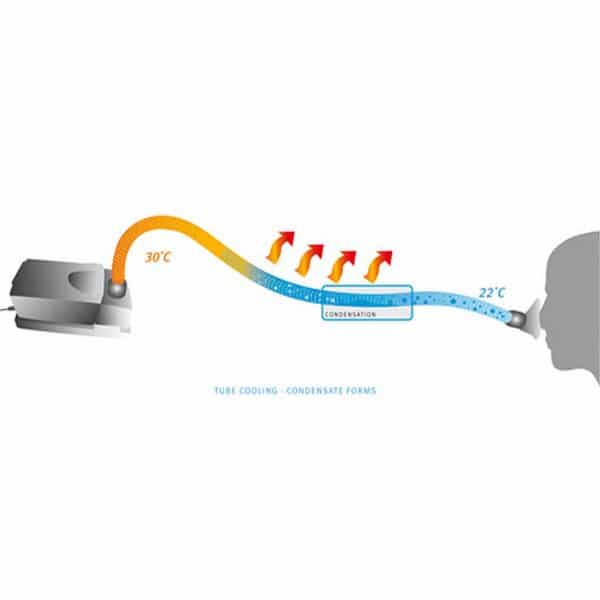
In most cases, moisture in the CPAP tubing or mask is secondary to the use of a heated humidifier. Without a humidifier in place, exhalation may also cause a small amount of water to condense within these plastic parts. The heated humidifier increases the comfort of using CPAP, reducing dryness within the nose or mouth and making nosebleeds and infections less likely. There is a trade-off to introducing this additional water to the treatment, however.

When the humidity enters an unheated tube, the difference in temperature may cause condensation to occur. Small beads of water may form within the tubing. As these coalesce, rivulets of the water may make their way to the mask and splash your face. The warmer the humidifier air—and the colder the tubing (or room)—the more condensation occurs. If the humidity setting is turned up, more moisture may be in the air to rain out within the tubes or mask.

If you have the humidifier set to the highest setting, this is very likely to occur.

How to Avoid Moisture in the CPAP Mask and Tubing

What can be done to eliminate this from happening? Any of the various options basically involve trying to closer match the temperature inside and outside of the tubing.

  • Heated Tubing

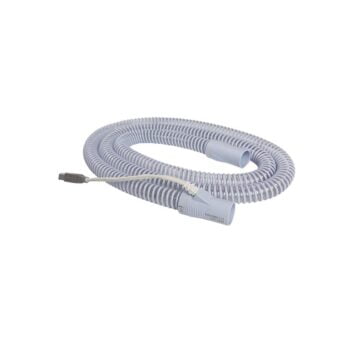
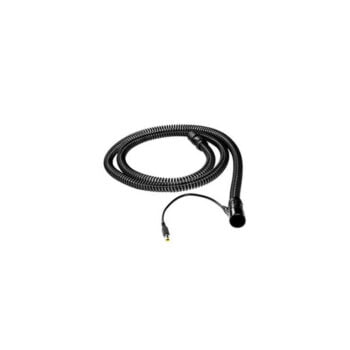
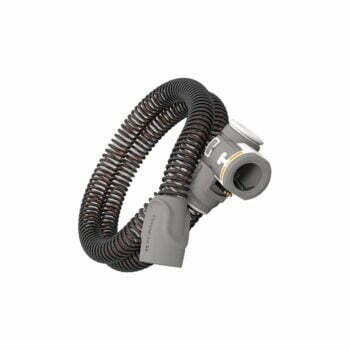
Perhaps the most desirable option is to use a heated tube that delivers the warm, moist air from the heated humidifier to the CPAP mask. This will maximize the benefit of the humidifier. All of the major manufacturers of CPAP equipment now offer heated or climate line tubing as part of their latest models. These have a heated coil that runs the length of the tube and keeps the air inside warmed. The power is integrated into the back of the CPAP machine and the tubing easily connects to the various mask interfaces. In addition, it is possible to purchase a separate heated tubing component called Hybernite to use with older machines. In general, it is recommended to set the temperature of the tubing between 78 and 82 degrees to reduce the likelihood of water forming in the equipment.

  • Changing the Temperature Difference

A less expensive and simple option is to adjust the temperature of the heated humidifier or your bedroom. Turn down the temperature of the humidifier or turn up the thermostat in your bedroom. You may find that it is more comfortable to sleep in a cool room, so you might start by adjusting the humidifier.

  • Covering the CPAP Tubing

Another popular option is to put the CPAP tubing under the bed covers.

This will warm the tube and reduce the condensation. There are also various fabric coverings sold that can insulate the tubing as well. The most popular brand is sold as Snuggle Hose. These come in various colours, patterns, and fabrics. If you are crafty, similar covers can be made easier with a long piece of fabric and a sewing machine or needle and thread.

  • Placing the CPAP on the Floor

Another helpful option is to put the CPAP machine on the floor. By putting it in a lower position than where you are lying in bed, the moisture that does collect within the tubing will run back to the humidifier, rather than dousing you in the face in the middle of the night.

Finding the Right Solution to Reduce Water in CPAP Tubing and Masks

There are a number of highly effective options to reduce the condensation that can collect in CPAP tubing with the use of a heated humidifier. The benefits of the moisture largely outweigh the inconvenience, and a few accommodations will ensure that your sleep continues to be benefited by CPAP without any unnecessary disruptions.

If you continue to have problems, speak with your board-certified sleep physician or durable medical equipment about additional options that might be helpful to you.

Source: Humidifier settings.” ResMed.

Pressure, Ramp Up What Does this features Means?

Pressure, Ramp Up What Does this features Means

Pressure, Ramp Up What Does this features Means?

Comfort Setting May Reduce Mask Leak and Ease Insomnia

If you use continuous or bilevel positive airway pressure (PAP) to treat your obstructive sleep apnea, you may wonder: What does the ramp up feature mean on a CPAP or BiPAP machine? Learn how this feature can reduce your starting pressure to improve your ability to fall asleep and why it may undermine your treatment if used excessively. Consider reasons why the ramp may be overused, such as may occur with mask leak or insomnia.

Discover how to set your ramp and what to do if you find you need it too much.

What Is a Ramp on CPAP?

Most modern CPAP or bilevel machines have a comfort setting called a ramp. As the word implies, it allows the machine to start at a lower pressure and then gradually to increase the pressure over a set period of time. The beginning of the ramp, with a lower pressure, may make it easier to fall asleep. Once you have fallen asleep, the pressure can be increased to the range that is needed to keep your upper airway from collapsing during sleep.

How Is the Ramp Set on CPAP?

There are multiple PAP machine models available from distinct manufacturers and various iterations over the past decades. Not all have a ramp feature, and the ability to access it will vary based on the model. It may be easiest to review your device’s manual or to speak with your durable medical equipment provider or sleep specialist to access the setting.

In general terms, the ramp may begin when the machine is turned on and it may be initiated via a reset button on the external surface (often with a triangle on it). Its settings may also be a feature that is accessed via a user menu on the device’s display screen. The initial pressure and duration of the ramp may be preset by your provider or be accessible to you.

There are two variables to consider in the ramp setting. First, the starting pressure should be comfortable. It is generally lower than the pressure that may be required later to support your breathing once you’ve fallen asleep. The lowest possible ramp setting is 4 centimeters of water pressure (CWP). If it is set too low, you may struggle to get enough air and may request that it be turned up.

Second, the duration of this starting pressure will vary in 5-minute intervals from zero (if off) to 45 minutes. This duration should be slightly longer than the average amount of time it takes you to fall asleep. If you feel the pressure becoming stronger, your ramp is likely too short. In addition, newer devices may have an automatic ramp feature that detects changes in the regularity of your breathing with the onset of sleep as an indicator that the pressure can be turned up.

How to Use a CPAP Ramp and Problems When It Is Overused

It is advised to use your ramp to help ease yourself into sleep without having to contend with an uncomfortable pressure. Once the ramp ends, the device will increase to your lowest therapeutic pressure (which may be either fixed or further adjusted during the night as needed with an AutoCPAP or Autobilevel machine).

If you wake in the night and the pressure has become uncomfortably high, it is possible to reset the ramp and allow the pressure to be lowered again. This may be desirable if you have awakened for any reason, including to urinate. It may also be helpful if your mask has started to leak excessively and has become disruptive due to noise or the discomfort of the air flow. This will allow you time to fall back asleep at a lower, more comfortable pressure.

It is possible to overuse your ramp and this can cause some problems. When reviewing your usage data, your sleep specialist may note multiple ramp resets throughout the night.

This might suggest the presence of excessive mask leak, pressure levels that are too high, or coexisting insomnia. Repeated resets of the ramp can reduce the effectiveness of therapy. If you require a pressure of 10 CWP to support your breathing, and you consistently reset your ramp to 4 CWP for 45-minute intervals through the night, you will have long stretches when your sleep apnea is not adequately treated.

For those who are needing to repeatedly reset the ramp, think about the underlying cause. If you are waking to urinate, or due to mask leak, address these underlying problems. You may benefit from a mask fitting to explore a new option. In some cases, it may be necessary to switch to bilevel therapy, as this treatment can make it more comfortable to breathe both in and out.

Speak with your equipment provider or a sleep specialist if you need additional assistance in optimizing the settings of the ramp on your PAP machine.

Do You Have to Use the Humidifier with CPAP?

airsense
Most newer continuous positive airway pressure (CPAP) or bilevel machines now come with a heated humidifier that is either fully integrated into the device or easily attached. You may wonder if you have to use the humidifier with your CPAP. Learn about the benefits of using a humidifier and whether it is something that you can simply do without.

What Is the Purpose of the CPAP Humidifier?

Many people find benefit in using their CPAP’s humidifier.
This humidified air can reduce irritation along the airway and may help to relieve dryness from therapy. The airflow can be drying, especially if the mouth comes open at night. An open mouth, especially if nasal obstruction is present due to allergies or a deviated septum, will lead to air escape that can quickly cause a dry mouth and sore throat. In some cases, a full-face mask or chinstrap may be needed to prevent this from occurring.
 In extreme cases, the dryness may cause nosebleeds or damage to gums and tooth loss.

Is Using the CPAP Humidifier Necessary?

There are certain times that you may not want to use the humidifier. For example, some people like to travel with a smaller device and choose to leave the humidifier portion at home.
There is a certain inconvenience in using a humidifier. It needs to be cleaned to prevent discoloration and reduce the risk of infection and mold exposure. It has to be filled up every night or two with fresh water, and if you are crawling into bed, this may be the last thing that you want to remember to do. Depending on its design, and the amount of light in your bedroom at bedtime, it may be hard to fill without spilling. It may seem like more of a hassle than it is worth. Without heated tubing, a heated humidifier may also cause condensation to form in the tubing and lead to sleep disruption due to noise or water splashing into the mask.

How to Stop Using the CPAP Humidifier

If you have decided you don’t want to use your CPAP’s humidifier, you may have a few options depending on your device model. You may be able to simply remove it from the blower component and attach your tubing directly to the outlet from the blower.

In newer models, such as ResMed’s AirSense series, you can simply turn the humidifier’s heating element and the heated tubing off. This can be deactivated within the patient settings menu. The air can then pass through without smells developing from a heated, dry and empty chamber.

You may discover that you develop more dryness once you stop using your humidifier. If you notice a dry mouth or nosebleeds, you could consider using saline rinses or sprays. Alternatively, you can simply resume use of the humidifier. You may discover that there are certain times of the year, or certain environments, when you want to use it and other times when you can take a break from it. If you have any persisting problems, speak with your sleep specialist about options to optimize your therapy. Source: Kryger, M.H. et al. “Principles and Practice of Sleep Medicine.” ExpertConsult, 5th edition, 2011.

How to Prepare for a Sleep Study

How to Prepare for a Sleep Study

Preparing for your sleep study

For the most part, to get the best results out of your sleep study, technicians want you to go about your usual evening routine as much as possible. However, there are
However, there are a certain thing you can do to make the study go more smoothly, and still garner the most accurate results.How to Prepare for a Sleep Study

What to bring

  • If you take any regularly prescribed medications according to your physician’s instructions it is suggested to take them with you.
  • Bring sleeping clothes such as pajamas or shorts and a t-shirt. Although your comfort is very important, most clinics prefer you not to sleep naked the night of the study.
  • It is not necessary but if you desire you may bring your favorite pillow or blanket if desired.
  • Bring any other specialty items you may need for sleep or will need first thing in the morning such as toiletries, toothpaste, toothbrush, hair dryer, etc.

What to do before arriving for the study

  • Try to avoid naps during the day so that going to sleep will be easier during your study.
  • Wash and dry your hair before going to the clinic. Do not apply sprays, conditioners, gels, or oils to your hair. There are a number of electrodes that will be administered and these substances can adhering equipment difficult.
  • Remove nail polish from index fingers. You will be wearing a pulse oximeter on one index finger.
  • Have your evening meal prior to showing up for your study.
  • Try and avoid eating or drinking anything with caffeine a few hours before your study. If possible, avoid caffeine after your lunch.
  • Have all paperwork given ahead of time filled out?
  • Notify the sleep clinic if you need to come in early or show up later so that you can better be accommodated.
  • Let the clinic know ahead of time if you have any special needs (e.g. trouble getting in/out of bed, anyphysical limitations, nocturnal enuresis, impairments, etc.).

What to do upon arrival and what to expect

  • Notify your sleep tech of any prescription medications and recreational drugs you take (be as honest as possible for best results).
  • If your physician prescribes a sleep aid for the night of the study, ask the technologist when to take it.
  • You’re going to be hooked up to a lot of monitoring equipment that takes about an hour to apply. Please be patient and take direction from your technologist.
  • Sleeping with a lot of equipment on can be a little uncomfortable, but your technologist will do everything they can to make you as comfortable as possible.
  • Your technologist will administer the study from another room, but you will have an intercom next to your bed if you need to contact them anytime during the study.
  • For more information on the procedures and equipment used in a sleep study click here.
  • Your results will not be ready the following day. Both the technologist and the sleep physician will need to interpret the study’s data.


The Epworth Sleepiness Scale

Physician explains how poor or low-quality sleep hinders common resolutions

Making New Year’s resolutions is easy. Keeping them — beyond a couple of weeks, at least — is tough. One big factor that affects whether the commitment sticks: sleep. It’s a key component many people neglect when striving to make improvements in just about any part of their lives. “We definitely take sleep as a luxury; it’s not,” says Cathy Goldstein, M.D., a sleep physician at Michigan Medicine and an assistant professor of neurology in the Sleep Disorders Centers at the University of Michigan. Whether intentional or a result of external factors, shortchanging on shut-eye influences a host of bodily functions crucial for good health. Some individuals, Goldstein notes, aren’t aware they’re lacking in sleep — or they knowingly sacrifice it to accommodate work or leisure demands. As a result, “they become used to this poor level of performance.” She explained how poor or low-quality sleep hinders some common resolutions: “I want to eat healthier”: The pitfalls of eating junk food are twofold when sleep is in short supply. Night owls are more likely to snack in the evening (either by raiding the pantry or hitting a drive-thru) and those who eat during the nighttime tend to weigh more. Whether you are a night owl or not, people who aren’t getting enough sleep also are apt to make poor meal choices during the day. Sleep restriction decreases one’s levels of leptin (the hormone that makes you feel full) and boosts ghrelin, which collectively increase appetite and alter food choices in a negative way. “It really changes the profile of what you eat to high carbohydrate, salty, sugary snacks,” Goldstein says. “I want to exercise more”: Who feels like hitting the gym when they’re exhausted? Beyond a lack of mental motivation, the physical payoffs of exercise are reduced when your sleep routine is out of whack. Researchers have found adequate sleep improves speed, strength and endurance in athletes. A 2013 Northwestern University study found the connection benefits everyone: “The less sleep you get, the shorter your exercise duration the next day is going to be,” says Goldstein. “I want to get a promotion”: Good employees are alert, motivated and cheerful. Those qualities, Goldstein says, “all are impaired by sleep loss.” They also spur what she dubs “cyber loafing” — that is, mindlessly scrolling social media or entertainment sites while on the clock. The risks aren’t relevant only to those seeking to climb the corporate ladder. A well-rested boss is probably a better worker, too. Notes Goldstein: “There is some research saying sleep-deprived people in managerial roles are less ethical and not as nice.” “I want to improve my relationship”: Working through any interpersonal issues can be a challenge on its own, but fatigue hinders the healing process. “A person’s mood is going to be worse when they don’t sleep,” Goldstein says. Those with obstructive sleep apnea, a potentially serious disorder in which breathing is interrupted during the night, often “have a really short fuse; they’re much quicker to anger,” Goldstein says. “But once we get their sleep quality improved, their social interactions are markedly improved.” “I want to quit smoking”: Sleep deprivation is tied to higher rates of nicotine dependence, Goldstein says. Researchers aren’t exactly sure why, but she suspects much of it relates to nicotine’s “activating” properties to help users relax or concentrate, among other things. What she and other experts do know: Low sleep reserves affect your ability to make good decisions. That includes whether to use harmful tobacco products, even if you’re aware of their detrimental effects. Set the scene for sleep To reach your resolutions — and optimal health year-round — try these tips. Strive for seven to eight hours of nightly sleep — and not just on weekends. Try to go to bed at the same time each evening, even on weekends. Otherwise, “you’re basically putting your body through jet lag on Sunday night,” Goldstein says. Keep your bedroom as dark as possible. Install blackout blinds or curtains to block any light pollution that can suppress the production of melatonin, a hormone that helps control your sleep and wake cycles. Cover up any direct glow from electronics or clocks. “You’re most sensitive to bright light in the middle of the night,” Goldstein says. “Even low levels can have a negative effect.” Don’t use your smartphone or tablet while in bed. Set the phone to “do not disturb” mode to avoid sleep interruptions from late-night calls or texts.

Importance of Sleep

Importance of Sleep

Physiological Effects of Sleep

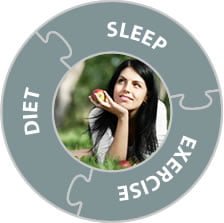
Along with diet and exercise, the quality and quantity of sleep a person gets greatly influences their quality of life. Although sleep is still not completely understood, studies demonstrate that it is an active physiological state during which the body repairs itself and performs a variety of important functions. Studies have shown that sleep affects: Learning and Memory Sleep is important for consolidation of new information and memory formation. Growth and Development Secretion of growth hormones and prolactin is increased during sleep. Blood Pressure Chronic short sleep duration increases the risk of hypertension in adults. Stress and Metabolism Levels of cortisol and thyrotropin (thyroid stimulating protein) decrease during sleep. Appetite Management Sleep affects levels of ghrelin and leptin, hormones that influence feelings of hunger and satiety.

Consequences of Sleep Deprivation

Individuals exhibiting normal sleep patterns will generally sleep 7-8 hours per night. Numerous studies indicate that individuals who routinely experience fewer than 6 hours of sleep per night, whether voluntarily or involuntarily, often suffer physiological and emotional consequences, including: Increased risk of cardiovascular disease Obesity Depression Memory loss The National Sleep Foundation estimates that the annual costs associated with sleep deprivation and sleep disorders in the US, including medical expenses, sick leave, and lost productivity, exceed $100 billion.

Sleep and Type 2 Diabetes

Studies show that sleep deprivation may increase the risk of obesity and type 2 diabetes. Several epidemiological studies report a correlation between short sleep duration and higher mean BMI and/or obesity.1 Studies of young, healthy males show that sleep deprivation over as few as two nights results in decreased glucose tolerance and increased appetite for carbohydrate-rich foods.2,3 The observed increase in hunger, if translated into actual ingestion of the desired foods, would correlate to an excess of 350-500 kcal/day. Longer term studies suggest that chronic sleep deprivation may result in reduced insulin sensitivity.1 Population studies indicate that chronic short sleep duration is correlated with an increased risk of type 2 diabetes or impaired glucose tolerance, after adjusting for potential confounding effects including age, sex, BMI, and waist circumference

CPAP machines: Tips for avoiding 10 common problems

CPAP is an important treatment for obstructive sleep apnea, but it’s not without its frustrations. Learn how to avoid uncomfortable masks and other common CPAP problems. Continuous positive airway pressure (CPAP) therapy is a common treatment for obstructive sleep apnea. It includes a small machine that supplies a constant and steady air pressure, a hose, and a mask or nose piece.Common problems with CPAP include a leaky mask, trouble falling asleep, and a dry mouth or nose.The good news is that if one CPAP mask or device doesn’t work for you, you have other options. And most CPAP masks are adjustable, to help make them more comfortable for you.Here are 10 common CPAP problems and what you can do about them:
  1. The wrong size or style CPAP mask
Work closely with your doctor and CPAP supplier to make sure you have a CPAP mask that suits your needs and fits you. Everyone has different needs and face shapes, so the right style and size mask for someone else may not work for you.Many mask styles are available. A range of CPAP masks are available. For example, some feature full face masks that cover your mouth and nose, with straps that stretch across your forehead and cheeks. These may make some people feel claustrophobic, but they work well at providing a stable fit if you move around a lot in your sleep.Other masks feature nasal pillows that fit under your nose and straps that cover less of your face. These can feel less cumbersome.Nasal pillows may work well if you wear glasses or read with the mask on, because some nasal pillow systems obstruct vision less than do full face masks. However, they may not work if you move around a lot in your sleep or sleep on your side.Pay attention to size. Most masks come in different sizes. Just because you’re a certain size in one mask doesn’t mean you’ll be the same size in another. CPAP masks are usually adjustable.Ask your doctor or CPAP supplier to show you how to adjust your mask to get the best fit. Manufacturer product instructions also can help show you how to do this.
  1. Trouble getting used to wearing the CPAP device
To start, it may help to practice wearing just the CPAP mask for short periods of time while you’re awake, for example, while watching TV. Then try wearing the mask and hose with the air pressure on, still during the daytime, while you’re awake.Once you become accustomed to how that feels, shift to using the CPAP device every time you sleep — at night and during naps. Inconsistently wearing the CPAP device may delay getting used to it. Stick with it for several weeks or more to see if the mask and pressure settings you have will work for you.
  1. Difficulty tolerating forced air
You may be able to overcome this by using a “ramp” feature on the machine. This feature allows you to start with low air pressure, followed by an automatic, gradual increase in the pressure to your prescribed setting as you fall asleep. The rate of this ramp feature can be adjusted by your doctor.If this doesn’t help, talk with your doctor about changing to a different type of device that automatically adjusts the pressure while you’re sleeping. For example, units that supply bi-level positive airway pressure (B-PAP) or devices that have variable pressure contours are available. These provide more pressure when you inhale and less when you exhale.
  1. Dry, stuffy nose
A CPAP device that features a heated humidifier, which attaches to the air pressure machine, can help. The level of humidification is adjustable. Using a nasal saline spray at bedtime also can help.Your doctor may prescribe a nasal steroid spray if your dryness doesn’t respond to heated humidity. It’s also important that your mask fit well. A leaky mask can dry out your nose.
  1. Feeling claustrophobic
While you’re awake, practice by first just holding the mask up to your face without any of the other parts. Once you’re comfortable with that, try wearing the mask with the straps.Next, try holding the mask and hose on your face, without using the straps. Have the hose attached to the CPAP machine at a low-pressure setting (with ramp feature turned on). And, finally, wear the mask with the straps and with the air pressure machine turned on while awake. After you’re comfortable with that, try sleeping with it on.Relaxation exercises, such as progressive muscle relaxation, also may help reduce your anxiety. It may help to get a different size mask or try a different style, such as one that uses nasal pillows.If you’re still feeling claustrophobic, talk to your doctor or CPAP supplier.
  1. Leaky mask, skin irritation or pressure sores
A leaky or an ill-fitting mask means you’re not getting the full air pressure you need, and you may be irritating your skin. It can also release air into your eyes, causing them to become dry or teary.Try adjusting pads and straps to get a better fit. If the device fits over your nose, make sure it doesn’t sit too high on the bridge of your nose, which can direct air into your eyes.You may need to ask your supplier to help you find a different size mask, particularly if your weight has changed markedly. Or try a different style device like a nasal pillow or a mask with an inflatable cushion that contours to your face. If you develop skin deterioration or sores, such as on your nose, tell your doctor promptly.
  1. Difficulty falling asleep
This is a normal, temporary problem. Wearing the mask alone for some time during the day may help you get accustomed to how it feels.Using the ramp feature, which provides an automatic, gradual increase in the air pressure to your prescribed pressure setting as you fall asleep, also may help.And practice good general sleep habits — exercise regularly, avoid caffeine and alcohol before bedtime, and try to relax. For example, take a warm bath before you go to bed. Avoid going to bed until you’re tired.
  1. Dry mouth
If you breathe through your mouth at night or sleep with your mouth open, some CPAP devices may worsen dry mouth. A chin strap may help keep your mouth closed and reduce the air leak if you wear a nasal mask.A full-face-mask-style device that covers your mouth and nose also may work well for you. A CPAP-heated humidifier that attaches to the air pressure machine also may help.
  1. Unintentionally removing the CPAP device during the night
It’s normal to sometimes wake up to find you’ve removed the mask in your sleep. If you move a lot in your sleep, you may find that a full face mask will stay on your face better.You may be pulling off the mask because your nose is congested. If so, ensuring a good mask fit and adding a CPAP-heated humidifier may help. A chin strap also may help keep the device on your face.If this is a consistent problem, consider setting an alarm for sometime in the night, to check whether the device is still on. You could progressively set the alarm for later in the night if you find you’re keeping the device on longer.
  1. Annoyed by the noise
Most new models of CPAP devices are almost silent. But if you find a device’s noise is bothersome, first check to make sure the device air filter is clean and unblocked. Something in its way may be contributing to noise.If this doesn’t help, have your doctor or CPAP supplier check the device to ensure it’s working properly. If the device is working correctly and the noise still bothers you, try wearing earplugs or using a white-noise sound machine to mask the noise. Time and patience key to success Using a CPAP device can be frustrating as you try to get used to it, but it’s important you stick with it. The treatment is essential to avoiding obstructive sleep apnea-related complications, such as heart problems and daytime fatigue.Work with your doctor and CPAP supplier to ensure the best fit and device for you, and try making adjustments if you’re experiencing some of the common CPAP problems. It may take several months to find the correct settings for you and to adapt to the mask. With time and patience, CPAP can positively affect your quality of life and health.

Everything you need to Know About Sleep Apnea

Sleep apnea, cpap devices, cpap masks, What is Sleep Apnea

Everything you need to Know About Sleep Apnea

cpapstore-everything you need to know about sleep apnea

Sleep apnea also referred to as sleep apnoea, is a common sleep disorder. It’s characterized by brief interruptions of breathing during sleep.

These episodes, called apneas, last 10 seconds or more and occur repeatedly throughout the night. People with sleep apnea partially awaken as they struggle to breathe, but in the morning they may not be aware of the disturbances in their sleep.

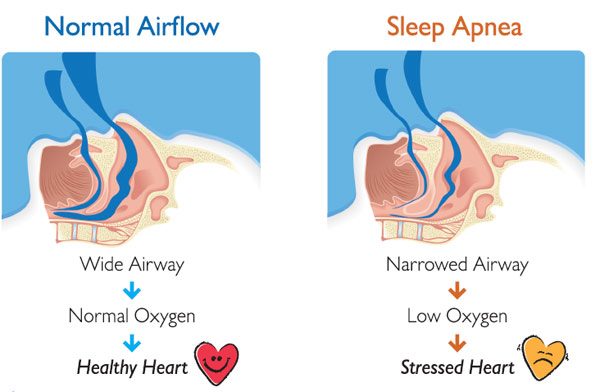
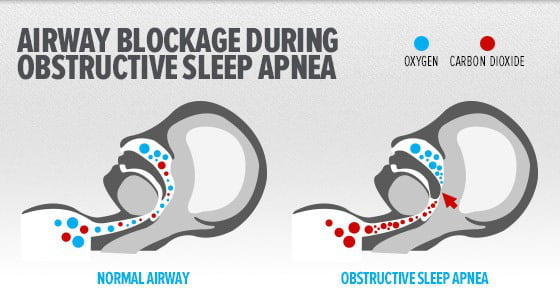
The most common type of sleep apnea is Obstructive Sleep Apnea, caused by relaxation of soft tissue in the back of the throat that blocks the passage of air. Central Sleep Apnea is caused by irregularities in the brain’s normal signals to breathe.

Some people with sleep apnea have a combination of both types.

What causes sleep apnea?

In the case of central sleep apnea, it happens when the brain fails to send signals to the respiratory muscles. This is most common in babies, and in adults with heart problems, but can also be caused by some medicines.
In obstructive sleep apnea, the message from the brain to the respiratory muscles gets through but breathing fails through an obstruction preventing the flow of air.
Mixed sleep apnea is caused by a combination of these failures.

Obstructive sleep apnea affects more men than women, and is more common and has increased severity in obese people.

What are the symptoms of obstructive sleep apnea?

OSA is more common in men than women and in people who are overweight or obese. Here are some symptoms to look for if you suspect you are suffering from this disorder.

  • Excessive Daytime Sleepiness
  • Restless Sleep
  • Loud Snoring, with Periods Of Silence Followed By Gasps
  • Falling Asleep During The Day
  • Morning Headaches
  • Trouble Concentrating
  • Irritability
  • Forgetfulness
  • Mood or Behavior Changes
  • Weight Gain
  • Increased Heart Rate
  • Anxiety
  • Depression

How is to treat obstructive sleep apnea!

There are several non-surgical options varying from behavioral changes to medications and dental appliances.

Behavioral changes may simply involve getting the sufferer to change their sleeping position, as most apneas seem to occur whilst sleeping on the back. A change in diet and lifestyle with a consequent reduction in obesity can also markedly reduce the severity of symptoms. However, these changes are easier to talk about than to implement.
Dental appliances are sometimes used for mild cases of obstructive sleep apnea – these work by holding the jaw and tongue forward and the palate up to prevent airway closure.
One of the best non-surgical treatments is called auto CPAP or continuous positive airway pressure. This is a machine which delivers heated and humidified air under pressure through a mask to the sufferer whilst they sleep. The machine is light and portable, and most people quickly get used to the noise the machine makes, and to wearing a mask.

Surgical options for obstructive sleep apnea include palate implants, reducing the size of the tongue, procedures on the jaws, and surgery of the nasal passages. Surgery should not be undertaken lightly because of the underlying risks of anesthesia and complications from the surgery itself.

If you suffer from obstructive sleep apnea or know anyone who does, then it is important that you seek qualified medical advice as soon as possible. Continuing your life without recourse to treatment leaves you open to the much higher risk of heart attack, stroke, high blood pressure, and even sudden death.Seek specialist help today.

Study offers treatment hope for sleep disordered breathing

Study offers treatment hope for sleep disordered breathing

Date:
February 10, 2016
Source:
University of Edinburgh
Summary:
People with a condition linked to obesity that causes them to stop breathing in their sleep could be helped by new research. The study could lead to new treatments for the condition called central sleep apnoea — which occurs during sleep disordered breathing and is linked to obesity and type 2 diabetes.
Share:
FULL STORY

People with a condition that causes them to stop breathing in their sleep could be helped by new research.

Scientists have gained fresh insights into the signals that regulate breathing during sleep, when oxygen levels are low. The study could lead to new treatments for the condition called central sleep apnoea — which occurs during sleep disordered breathing and is linked to obesity and type 2 diabetes. It could also lead to new interventions that help people adapt to sleeping at higher altitudes, where reduced oxygen levels can cause sleep disordered breathing even in fit and healthy people. Central sleep apnoea occurs when there is a breakdown in the signals that instruct the body to breathe. Researchers led by the University of Edinburgh’s Centre for Integrative Physiology used genetically modified mice to show that an enzyme called AMPK helps us to breathe faster when oxygen levels are low. These mice do not produce AMPK in the specialised cells that send signals to support breathing when oxygen availability falls. The team found that the animals showed similar symptoms to people with central sleep apnoea — failing to breathe faster in response to low oxygen environments. The animals are otherwise healthy and show no breathing difficulties under normal conditions. Central sleep apnoea commonly affects people with obesity and type 2 diabetes. It causes snoring, high blood pressure, poor memory and daytime lapses in to sleep. Professor Mark Evans, of the University’s Centre for Integrative Physiology, said: “Our findings identify exciting new avenues for the treatment of sleep disordered breathing, because drugs that mimic AMPK activation could restore normal breathing patterns in people suffering from this disease. Mice with AMPK deficiencies could also prove useful for helping us to identify such therapies.”

Story Source: The above post is reprinted from materials provided by University of Edinburgh. Note: Materials may be edited for content and length.

Journal Reference:
  1. Amira D Mahmoud, Sophronia Lewis, Lara Juričić, Utibe-Abasi Udoh, Sandy Hartmann, Maurits A Jansen, Oluseye A Ogunbayo, Paolo Puggioni, Andrew P Holmes, Prem Kumar, Jorge Navarro-Dorado, Marc Foretz, Benoit Viollet, Mayank B Dutia, Ian Marshall, A. Mark Evans.AMPK Deficiency Blocks the Hypoxic Ventilatory Response and Thus Precipitates Hypoventilation and Apnea. American Journal of Respiratory and Critical Care Medicine, 2015; DOI: 10.1164/rccm.201508-1667OC