Category Archives: Health

The Epworth Sleepiness Scale

The Epworth Sleepiness Scale

 How likely is it to fall asleep in the following situations, in contrast to feeling just tired?

This test is referring to your everyday lifestyle over the past few years.

  Use the following scale to choose the most appropriate number for each situation:

0 = would never doze 1 = slight chance of dozing 2 = moderate chance of dozing 3 = high chance of dozing

 
Situations
  1. Sitting and reading
  2. Watching TV
  3. Sitting inactive in a public place (ex a theater or meeting)
  4. As a passenger in a car for an hour without a break
  5. Lying in the afternoon when circumstances permit
  6. Sitting and talking to someone
  7. Sitting quietly after a lunch without alcohol
  8. Sitting in a car, while stopped for a few minutes in traffic
Change of dozing
  1. 0 1 2 3
  2. 0 1 2 3
  3. 0 1 2 3
  4. 0 1 2 3
  5. 0 1 2 3
  6. 0 1 2 3
  7. 0 1 2 3
  8. 0 1 2 3

  For every situation, write down the chance of dozing (0-3), according to the scale above. Then, sum all the numbers you entered and check in which category you belong from Score Results below.  

SCORE RESULTS: 1-6: Congratulations, you are within normal limits! 7-8: Moderate sleepiness 9 and above: Very sleepy – you should seek medical advice.

 

Become more aware

Become more aware

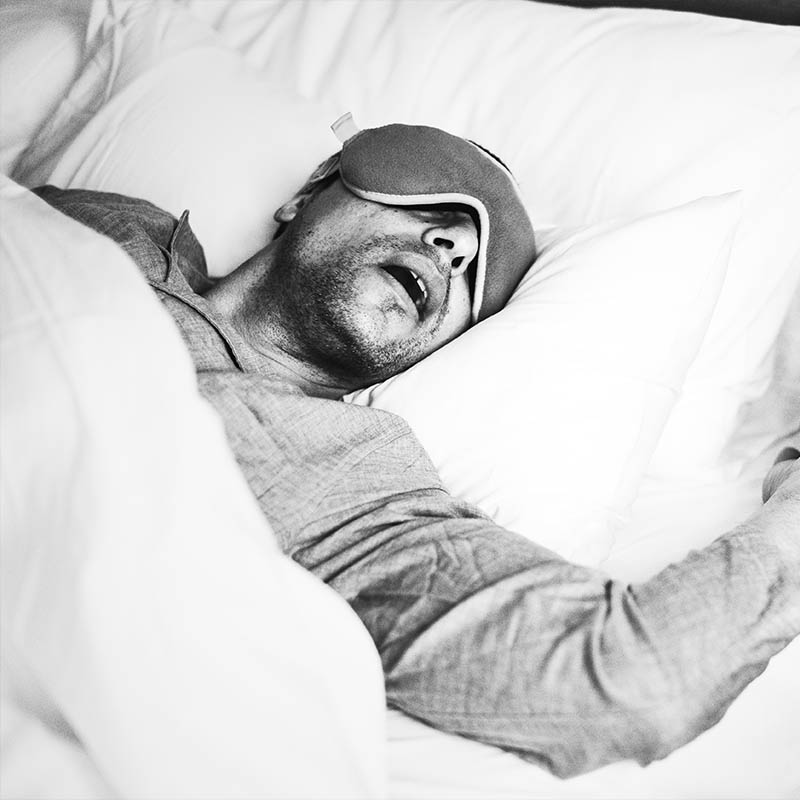
Research on sleep apnea has come a long time ago from diagnosis in the mid-1960s. Today’s technology is allowing people to gain better knowledge about sleep apnea and symptoms.

Although from statistics have done have shown that both men and women can have sleep apnea, men are evident in 24%, compared with only 9% of women. Sleep apnea has been found to affect even children. However, it is more common in adults.

Research shows that person with mild to moderate cases of sleep apnea can stop breath, average from 1 to 10 times a night. During these episodes, the person may stop breathing from10sec or above of 30sec seconds per episode. Furthermore, for someone with a severe case of sleep apnea can have 30 or more episodes in one night with pausing breathing at rate of 30 seconds per episode.

Having so many pauses during sleep is the reason why sleep apnea puts a strain on your body, causing serious health issues. Good, deep, restful sleep is imperative for your body to regenerate and function properly.

Sleep Apnea Risk

Sleep apnea risk

Assess Your Likelihood of Sleep Apnea: This evaluation aims to determine your potential risk of experiencing apnea episodes during sleep. Kindly record your responses to accurately gauge your risk level.

A. How frequently are you made aware that you’re snoring significantly disrupts the sleep of others?

  • Never
  • Rarely (less than once a week)
  • Occasionally (1 – 3 times per week)
  • Often (more than 3 times a week)

B. How frequently have you been informed or observed pauses or cessation of breathing during your sleep?

  • Never
  • Rarely (less than once a week)
  • Occasionally (1 – 3 times per week)
  • Often (more than 3 times a week)

C. What is your current Body Mass Index (BMI) or how would you classify your weight in relation to a healthy range?

  • Not at all
  • Slightly (10 – 20 kg)
  • Moderate (20 – 40 kg)
  • Seriously (over 40 kg)

D. The Epworth Sleepiness Scale (ESS) is commonly used to assess daytime sleepiness. The total score can range from 0 to 24, with higher scores indicating increased daytime sleepiness.

  • Less than 8
  • 9-13
  • 14-18
  • 19 or more

E. Could you specify if your medical history comprises any particular conditions or ailments?

  • High blood pressure
  • Stroke
  • Heart disease
  • More than 3 awakenings per night (on average)
  • Excessive fatigue
  • Difficulty concentrating or staying awake during the day

Should your responses indicate a score of 3 or 4 in questions A through D, particularly if accompanied by the presence of any conditions outlined in category E, it suggests a heightened risk of sleep apnea. It is highly advisable to engage in a discussion regarding these findings with your healthcare provider for further evaluation and guidance.