Chronic Obstructive Pulmonary Disease (COPD) and Sleep Apnea are two prevalent respiratory disorders that significantly impact the quality of life for millions worldwide. While COPD is characterized by long-term airflow obstruction making breathing difficult, Sleep Apnea is known for causing breathing to repeatedly stop and start during sleep. At first glance, these conditions may seem distinct, yet emerging research highlights a compelling link between them, shedding light on how they may coexist and exacerbate each other’s symptoms. This article delves into the intricate relationship between COPD and Sleep Apnea, aiming to provide valuable insights for those navigating these conditions.
The Overlapping Spectrum: COPD and Sleep Apnea
COPD and Sleep Apnea can intersect in a condition known as Overlap Syndrome. This syndrome is characterized by the coexistence of both disorders in the same individual, leading to a compounded impact on respiratory health. Patients with Overlap Syndrome often experience more severe nocturnal oxygen desaturation, leading to a higher risk of cardiovascular complications, heightened daytime sleepiness, and a diminished overall quality of life.
The Mechanisms Linking COPD and Sleep Apnea
Oxygen Desaturation: COPD compromises lung function, leading to decreased oxygen levels in the blood. When Sleep Apnea interrupts breathing, these oxygen levels can drop further, exacerbating the risk of severe health complications.
Airway Inflammation: Both conditions involve a degree of airway inflammation. In COPD, inflammation is a response to irritants like tobacco smoke, while in Sleep Apnea, it can result from the mechanical stress of repeated airway closures, further impairing respiratory function.
Neuromuscular Control: COPD affects the lung’s elasticity and airway structure, which can influence the upper airway’s stability during sleep, potentially increasing the susceptibility to apneas.
Recognizing Overlap Syndrome requires a careful evaluation, often involving a multidisciplinary approach. Diagnostic steps typically include pulmonary function tests to assess COPD, coupled with sleep studies (polysomnography) to detect episodes of Sleep Apnea. Early identification and intervention are crucial to managing the compounded effects of both conditions effectively.
Management Strategies
Managing Overlap Syndrome involves a comprehensive strategy tailored to address both COPD and Sleep Apnea simultaneously. Treatment options may include:
Continuous Positive Airway Pressure (CPAP): A cornerstone treatment for Sleep Apnea, CPAP can also benefit COPD patients by stabilizing the upper airway during sleep, reducing apnea episodes, and improving oxygen saturation.
Oxygen Therapy: Supplemental oxygen during sleep and, in some cases, during the day can help maintain adequate oxygen levels in patients with severe COPD.
Medication: Bronchodilators and corticosteroids may be prescribed to manage COPD symptoms, alongside any necessary adjustments to address Sleep Apnea complications.
Lifestyle Modifications: Weight loss, smoking cessation, and avoiding alcohol or sedatives can help reduce the severity of both conditions.
Conclusion
The link between COPD and Sleep Apnea underscores the importance of a holistic view in medical diagnosis and treatment. For individuals living with either condition, it’s vital to be aware of the symptoms of the other, as their coexistence can significantly impact health and treatment outcomes. By fostering a better understanding of the connection between COPD and Sleep Apnea, patients and healthcare providers can work together towards more effective management strategies, improving quality of life and reducing the risk of complications. Awareness, early diagnosis, and an integrated treatment approach are key steps in navigating the challenges posed by these interlinked conditions.
CPAP stands for Continuous Positive Airway Pressure. It is a type of therapy commonly used to treat obstructive sleep apnea (OSA), a sleep disorder characterized by pauses in breathing or periods of shallow breathing during sleep. These disruptions in breathing happen when the muscles in the throat relax too much to allow normal breathing.
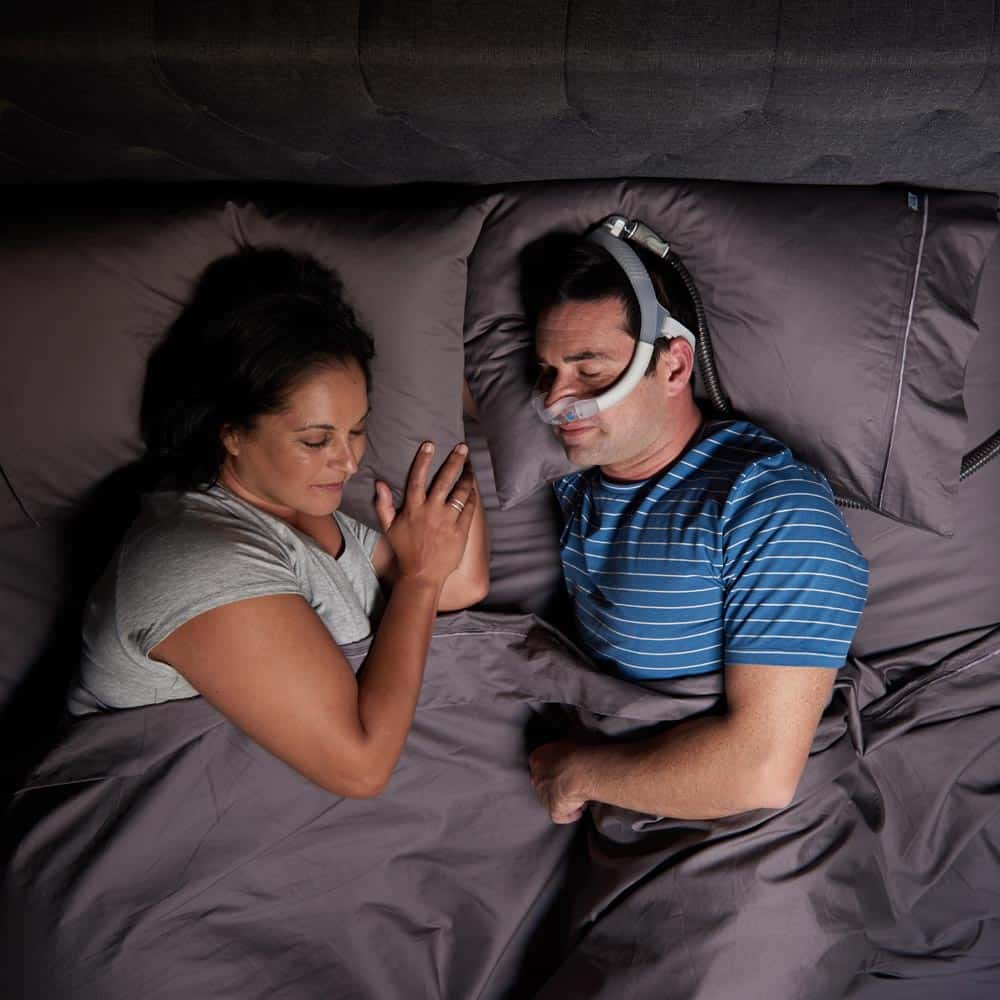
A CPAP machine works by delivering a steady stream of pressurized air through a mask that covers the nose and sometimes the mouth. This pressurized air keeps the sleeper’s airway open throughout the night, preventing the breathing interruptions that are characteristic of sleep apnea. By doing so, it ensures that oxygen levels remain stable, and sleep is less fragmented.
What is a Continuous Positive Airway Pressure Machine?
A CPAP machine is a device designed to deliver a steady flow of air pressure into a patient’s airways while they sleep. This continuous air pressure prevents the airways from collapsing, which is a common issue in individuals with obstructive sleep apnea (OSA). By keeping the airways open, CPAP machines help ensure a steady supply of oxygen throughout the night, promoting restful sleep and reducing the risk of complications associated with untreated sleep apnea.
CPAP Machines: The Lifeline for Sleep Apnea Sufferers
At the heart of treating sleep apnea is the CPAP machine, a device designed to keep the airway open and ensure uninterrupted breathing during sleep. By delivering a steady flow of pressurized air through a mask, the CPAP machine prevents the airway from collapsing, thus averting the breathing pauses characteristic of sleep apnea.
Core Components:
Machine: A quiet, electric machine that draws in air and pressurizes it to the required level.
Air Filter: To remove impurities from the air before it is delivered to the user.
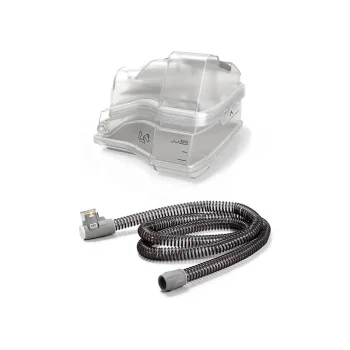
Humidifier: Optional component that adds moisture to the air to prevent dryness in the nose and throat.
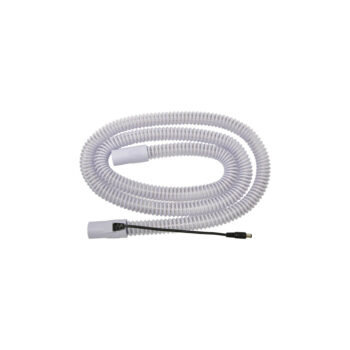
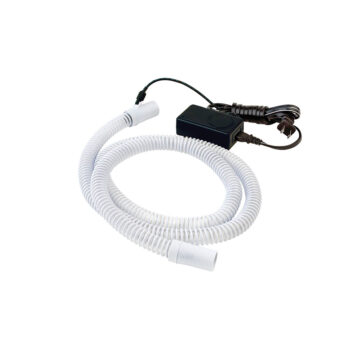
CPAP Hose: A tube that connects the motor with the mask, delivering the pressurized air.
CPAP Mask: Worn over the nose, mouth, or both, it directs the flow of pressurized air into the airways to keep them open.
Benefits of Using a CPAP Machine
Improved Sleep Quality: CPAP machines significantly reduce the frequency of apneas (pauses in breathing) during sleep, leading to better rest and increased energy during the day.
Reduced Risk of Heart Disease: Untreated sleep apnea is linked to a higher risk of cardiovascular problems. CPAP therapy can lower this risk by ensuring consistent oxygenation throughout the night.
Lower Blood Pressure: Regular use of a CPAP machine has been shown to reduce high blood pressure, particularly in patients with obstructive sleep apnea.
Decreased Daytime Sleepiness: By preventing sleep interruptions, CPAP machines help reduce excessive daytime sleepiness, improving overall alertness and productivity.
Embracing CPAP Therapy: A Path to Restful Nights and Healthier Days
Adopting CPAP therapy can be a significant adjustment, but the rewards in terms of improved sleep quality and health are immeasurable. With advancements in technology, modern CPAP machines are quieter, more comfortable, and more user-friendly than ever before, making it easier for patients to integrate them into their nightly routine.
Conclusion
A Continuous Positive Airway Pressure (CPAP) machine can be a life-changing device for individuals with sleep apnea, offering numerous health benefits and significantly improving quality of life. By understanding how CPAP machines work, their benefits, and how to choose and maintain the right machine, users can make informed decisions that lead to better sleep and overall health.
If you suspect you have sleep apnea or are considering CPAP therapy, consult with a healthcare provider to determine the best course of action for your specific needs.
Comprehensive guide for anyone looking to learn about sleep apnea. This article breaks down the three main types—obstructive, central, and complex sleep apnea—and discusses various treatment approaches, from CPAP machines and lifestyle adjustments to surgical options. Whether you’re new to the topic or seeking updated solutions, this post will help you better understand the symptoms, causes, and available treatments to improve sleep health.
What is Sleep Apnea?
There are three main types of sleep apnea: obstructive sleep apnea (OSA), central sleep apnea (CSA), and complex sleep apnea syndrome, also known as treatment-emergent central sleep apnea.
1. Obstructive Sleep Apnea (OSA): This is the most common type, caused by an obstruction of the airway when the soft tissue in the back of the throat collapses and closes during sleep. Risk factors include obesity, aging, smoking, alcohol use, and anatomical differences in the structure of the throat and neck.
2. Central Sleep Apnea (CSA): CSA occurs when the brain fails to send signals to the muscles that control breathing. This type of sleep apnea is less common and can be associated with heart failure, brain tumors, brain infections, and the use of certain medications. CSA may occur in individuals at high altitudes.
3. Complex Sleep Apnea Syndrome: Also known as treatment-emergent central sleep apnea, it is a combination of both obstructive and central sleep apnea. It occurs in people being treated for OSA but still experience apnea events due to both blockages and a failure of brain signals regulating breathing.
Treatment Solutions
Treatment for sleep apnea depends on the type and severity of the disorder. Options range from lifestyle changes and use of breathing devices to surgery.
1. Lifestyle Changes: For mild cases of sleep apnea, lifestyle modifications such as losing weight, quitting smoking, reducing alcohol intake, and altering sleeping positions (e.g., sleeping on one’s side) can significantly improve symptoms.
2. Continuous Positive Airway Pressure (CPAP): The most common treatment for moderate to severe OSA, CPAP machines use a mask that covers the nose and mouth or just the nose, providing a constant stream of air that keeps the airway open during sleep.
3. Oral Appliances: Dental devices, or oral appliances, can help keep the throat open by bringing the jaw forward, which can be effective for mild to moderate OSA.
4. Surgery: In cases where other treatments are ineffective or not tolerated, surgical options such as uvulopalatopharyngoplasty (removing soft tissue from the back of the throat), maxillomandibular advancement (repositioning the jaw to enlarge the upper airway), or a tracheostomy (creating a direct airway in the neck) may be considered.
5. Adaptive Servo-Ventilation (ASV): A device used primarily for treating CSA and complex sleep apnea, ASV adjusts pressure continuously based on the detection of breathing abnormalities.
6. Bilevel Positive Airway Pressure (BiPAP/BPAP): Similar to CPAP but with different pressures for inhalation and exhalation, suitable for some patients with CSA or those who struggle with CPAP machines.
It’s essential for anyone suspecting they have sleep apnea to seek medical advice. A healthcare provider can recommend the most appropriate diagnostic tests and treatment plan. With proper management, individuals with sleep apnea can enjoy significantly improved sleep quality and overall health.
Recognizing the Symptoms of Sleep Apnea
The symptoms of sleep apnea can be subtle or pronounced, and they often overlap with those of other conditions, making diagnosis challenging. Key symptoms include:
Loud snoring, more prevalent in OSA
Episodes of breathing cessation observed by another person
Abrupt awakenings accompanied by gasping or choking
Morning headache, dry mouth, or sore throat
Daytime sleepiness or fatigue
Difficulty concentrating, irritability, or depression
It’s important to note that not everyone who snores has sleep apnea, and not all individuals with sleep apnea snore. However, if you experience or observe these symptoms regularly, it’s crucial to seek medical advice.
The Causes Behind Sleep Apnea
The causes of sleep apnea vary depending on the type. For OSA, any condition or factor that narrows the airway can lead to apnea episodes. These include obesity, anatomical variations, allergies, and enlarged tonsils, among others. CSA, however, is often related to underlying health conditions that affect the brainstem’s ability to control breathing.
Risk factors for sleep apnea include obesity, smoking, a family history of sleep apnea, use of alcohol or sedatives, and being male, though it can affect anyone at any age, including children.
Diagnosing Sleep Apnea
Diagnosing sleep apnea typically involves a sleep study, known as a polysomnogram, which can be conducted in a sleep center or at home. These studies track your sleep stages, movements, breathing patterns, and oxygen levels in your blood. Your healthcare provider may also perform a physical examination and take your medical history to rule out other conditions.
In Conclusion
Sleep apnea is a complex and potentially serious sleep disorder that manifests in various forms, including obstructive, central, and complex sleep apnea syndromes. Each type has distinct causes and implications for the individual’s health, necessitating specific approaches to diagnosis and treatment. From lifestyle modifications and the use of CPAP devices to surgical interventions and advanced ventilation technologies, the range of treatment options available today means that individuals suffering from sleep apnea have a better chance than ever before of managing their condition effectively. It is crucial for anyone experiencing symptoms of sleep apnea to seek professional medical advice to accurately diagnose their condition and receive a treatment plan tailored to their specific needs. With the right approach, individuals with sleep apnea can achieve improved sleep quality, reduce their risk of related health issues, and enjoy a higher quality of life. The journey to overcoming sleep apnea begins with awareness and is propelled by proactive treatment and management strategies.
Introduction: Sleep Apnea, a common sleep disorder, affects countless individuals globally. CPAP (Continuous Positive Airway Pressure) therapy remains a cornerstone in its treatment. Among the various types of CPAP machines, Auto CPAP and Fixed CPAP are the most widely used. In this article, we will explore both, with a particular focus on the advantages of Auto CPAP.
What is Fixed CPAP? Fixed CPAP machines provide a steady, unchanging air pressure throughout the night. This pressure is set based on your sleep study results and remains constant regardless of any changes in your sleeping position or sleep stages. While effective for many, Fixed CPAP can sometimes be less adaptable to the user’s changing needs.
What is Auto CPAP? Auto CPAP, or Automatic Positive Airway Pressure machines, represent a leap forward in CPAP technology. These devices automatically adjust the air pressure in response to changes in your breathing pattern. This adaptability ensures that you receive the optimal pressure required for each moment of your sleep.
Why Auto CPAP is Often Better:
Personalized Therapy: Auto CPAP machines adjust the pressure according to your needs at any given moment, providing a more tailored approach to sleep apnea treatment.
Enhanced Comfort: Users often report higher comfort levels with Auto CPAP, as the machine reduces pressure when full support isn’t necessary, leading to a more natural sleeping experience.
Better Adaptation to Changes: Whether it’s changes in sleep position, weight fluctuations, or progression of sleep apnea, Auto CPAP machines adapt effortlessly.
Ideal for Uncertain Pressure Needs: If your optimal pressure setting is unclear or varies significantly, Auto CPAP can be an excellent choice.
Conclusion: While both Fixed CPAP and Auto CPAP have their merits, the adaptability and personalized therapy offered by Auto CPAP make it a preferred choice for many. However, it’s crucial to consult with your healthcare provider to determine which CPAP solution is best suited for your individual needs. Embracing the right technology can significantly improve your sleep quality and overall health.
Snoring disrupting your sleep? Say hello to Oniris!
What is Oniris?
Oniris is a revolutionary mandibular advancement device designed to alleviate snoring and address mild to moderate obstructive sleep apnea. It’s a comfortable, non-invasive solution that gently repositions your lower jaw to keep your airway open while you sleep.
How Does Oniris Work?
The device is custom-fitted for your mouth, ensuring a snug and comfortable fit. By slightly advancing the lower jaw, Oniris prevents the collapse of soft tissues in the throat that causes snoring and interruptions in breathing during sleep. This simple adjustment helps maintain unobstructed airflow, promoting better sleep quality for both you and your partner.
Benefits of Oniris:
Reduces or eliminates snoring
Improves airflow during sleep
Addresses mild to moderate sleep apnea
Customized fit for maximum comfort
Compact, portable, and easy to use
Why Choose Oniris?
Unlike bulky CPAP machines, Oniris offers a discreet and user-friendly solution. Its ergonomic design and personalized fit ensure comfort throughout the night, allowing you and your partner to enjoy restful sleep without interruptions.
Consultation and Fitting:
Visit our certified professionals for a consultation and precise fitting of your Oniris device. Our experts will guide you through the fitting process, ensuring optimal effectiveness and comfort tailored to your needs.
Experience Peaceful Nights with Oniris:
Say goodbye to disruptive snoring and hello to rejuvenating sleep! Try Oniris today and rediscover the joy of a peaceful night’s rest—for yourself and your loved ones.
Sleep plays a crucial role in brain health, and getting restful sleep without sleep apnea allows the brain to undergo essential processes that contribute to its overall cleanliness and functionality. Here are some ways in which good sleep positively affects brain health:
Clearance of Waste and Toxins: During sleep, the glymphatic system, a waste clearance system in the brain, becomes highly active. It helps remove waste products, toxins, and byproducts of neural activity that accumulate during wakefulness. This waste clearance is vital for maintaining brain health and preventing the buildup of potentially harmful substances linked to neurodegenerative diseases.
Memory Consolidation: Quality sleep, especially during the deeper stages of non-REM sleep, is crucial for memory consolidation. It helps solidify and organize memories, facilitating learning and better retention of information.
Brain Cell Maintenance and Repair: Sleep provides an opportunity for the brain to repair and regenerate cells. During sleep, there’s an increase in the production of certain proteins essential for cell growth, repair, and synaptic plasticity, which is crucial for learning and memory.
Regulation of Brain Functions: Adequate sleep is essential for optimal cognitive functions, including attention, concentration, problem-solving, and decision-making. Lack of sleep can impair these functions, affecting overall brain performance.
Emotional Regulation: Restful sleep is crucial for emotional regulation and mental well-being. It helps regulate emotions, maintain a stable mood, and reduce stress, anxiety, and irritability.
In contrast, sleep apnea can disrupt these crucial processes due to interruptions in breathing, leading to fragmented sleep and decreased oxygen levels during the night. This disruption can negatively impact brain health and cognitive functions. Continuous Positive Airway Pressure (CPAP) therapy, used to treat sleep apnea, can significantly improve sleep quality by maintaining a consistent airflow, thus promoting better brain health and overall well-being.
Ultimately, experiencing uninterrupted, good-quality sleep allows the brain to perform its essential functions efficiently, contributing to better cognitive abilities, emotional well-being, and overall brain health.
Chronic Obstructive Pulmonary Disease (COPD) often starts subtly and may take years to become noticeable. By the time shortness of breath or a persistent cough appears, lung damage may already be significant. According to the Global Initiative for Chronic Obstructive Lung Disease (GOLD 2025), early symptoms can appear long before measurable airflow obstruction. That’s why it’s vital to discuss even mild respiratory changes with your doctor.
Early signs & symptoms of COPD
Watch for symptoms that develop gradually over time:
Shortness of breath (dyspnea) — first during exertion, later at rest
Persistent cough lasting several months
Wheezing or chest tightness
Unexplained tiredness or reduced exercise capacity
Mucus production that becomes frequent or hard to clear
Are you at risk?
You may develop COPD even if you’ve never smoked. Risk factors include:
Smoking (both active and passive)
Occupational exposure to dust, fumes, or chemicals
Air pollution, especially household biomass smoke from cooking or heating
Genetic causes, such as alpha-1 antitrypsin deficiency
Frequent respiratory infections in childhood
Recent research shows COPD is increasingly diagnosed in women and non-smokers, often linked to indoor air pollution or occupational exposure.
How COPD is diagnosed
The gold standard test for COPD diagnosis is spirometry, which measures how much air you can exhale and how fast.
Your doctor looks at two key numbers:
FEV₁ (Forced Expiratory Volume in one second): how much air you blow out in the first second of a forced breath.
FVC (Forced Vital Capacity): the total amount of air you exhale after taking a deep breath.
FEV₁/FVC ratio: if this value is below 0.70 after using a bronchodilator, COPD is diagnosed.
This ratio confirms the presence of persistent airflow limitation—the defining feature of COPD.
COPD stages (GOLD 2025 classification)
The severity of COPD is determined by both lung function and symptoms. GOLD 2025 classifies patients into Groups A, B, and E, depending on symptoms and the frequency of flare-ups (exacerbations).
Simplified view of COPD stages:
Stage
Description
Common experience
Stage 1 (Mild)
Early airflow limitation
Occasional shortness of breath or cough
Stage 2 (Moderate)
Worsening airflow
Breathlessness during activity
Stage 3 (Severe)
Major airflow limitation
Daily symptoms, reduced exercise tolerance
Stage 4 (Very Severe)
Very limited airflow
Breathlessness at rest, frequent flare-ups
Current treatment options (2025)
Although COPD cannot be cured, modern therapies significantly improve quality of life and slow disease progression.
Quit smoking – the most effective step in slowing disease progression.
Inhaled medications – such as bronchodilators (LABA, LAMA) and, when needed, inhaled corticosteroids (ICS).
Pulmonary rehabilitation – exercise, education, and self-management training to improve daily function.
Vaccinations – flu, pneumococcal, and COVID-19 vaccines to prevent infections.
Healthy nutrition – maintain a healthy weight to ease breathing effort.
Oxygen therapy – prescribed when oxygen levels are low at rest.
Non-invasive ventilation (NIV) – helps patients with chronic CO₂ retention breathe more easily, especially during sleep.
Surgical options – lung volume reduction or transplant for selected cases.
What to do if you notice symptoms
Don’t ignore breathlessness or chronic cough — ask for spirometry.
Share your exposure history (smoking, workplace dust, etc.).
Track your symptoms and flare-ups.
Ask about rehabilitation and vaccinations early, not only in late stages.
References
For transparency and medical accuracy, this article is based on the latest international sources and guidelines:
GOLD 2025 Global Initiative for Chronic Obstructive Lung Disease – Pocket Guide & Full Report https://goldcopd.org
Centers for Disease Control and Prevention (CDC) – COPD Basics & Risk Factors (2024) https://www.cdc.gov/copd/
European Respiratory Society / American Thoracic Society – Clinical Practice Guidelines (2023–2024) https://www.thoracic.org/
Recent clinical research on Non-Invasive Ventilation (NIV) in hypercapnic COPD
Murphy PB et al., Lancet Respir Med. 2023.
Köhnlein T et al., NEJM. 2014.
Epidemiology updates on gender & non-smoker COPD
Salvi S et al., Chest Journal, 2023.
Disclaimer: This article is for educational purposes only and is not a substitute for medical advice. If you experience persistent cough, breathlessness, or other respiratory symptoms, consult your doctor promptly.
Alcohol can depress the central nervous system, significantly impairing normal breathing patterns—especially in individuals with obstructive or central sleep apnea. Understanding how alcohol interacts with sleep-related breathing disorders is essential for those managing sleep apnea and seeking to make healthier lifestyle choices.
How Alcohol Affects Sleep Apnea
Sleep apnea is a condition characterized by repeated interruptions in breathing during sleep. Alcohol consumption has been shown to contribute to both the development and worsening of this condition, particularly in those with Obstructive Sleep Apnea (OSA).
The Connection Between Alcohol and Obstructive Sleep Apnea
It is estimated that 10% to 30% of adults suffer from OSA. Research indicates that alcohol may play a role in the onset of OSA and can significantly aggravate existing symptoms. Although observational studies show a correlation between alcohol use and an increased risk of OSA, more clinical research is needed to establish a direct causal link.
One study found that heavy drinkers are 25% more likely to suffer from OSA compared to non-drinkers or light drinkers. However, OSA is influenced by multiple factors, making it difficult to isolate alcohol as the sole cause.
How Alcohol Worsens Obstructive Sleep Apnea Symptoms
Alcohol can intensify OSA in several ways:
Increased Apnea-Hypopnea Index (AHI): Alcohol consumption raises the number of breathing interruptions per hour and reduces blood oxygen saturation.
Higher Arousal Threshold: OSA-related breathing disruptions usually trigger partial awakenings to restore airflow. Alcohol increases the threshold needed to wake up, delaying the body’s response to low oxygen levels.
Muscle Relaxation: Alcohol relaxes the muscles of the upper airway, particularly around the mouth and throat, increasing the risk of airway obstruction.
Nasal Congestion: Alcohol can dilate blood vessels in the nasal passages, leading to congestion and making it harder to breathe through the nose. This forces more effortful breathing, worsening airway collapse.
Additionally, alcohol consumption in individuals with OSA raises the risk of drowsy driving and motor vehicle accidents due to impaired cognitive function and increased daytime sleepiness. It may also further lower oxygen levels, increasing the risk of cardiovascular complications.
Factors That Influence Alcohol’s Impact on OSA
Timing: Drinking in the evening or shortly before bed elevates blood alcohol levels during sleep, particularly affecting the first half of the night when alcohol is still being metabolized.
Quantity: Larger amounts of alcohol (2–3 standard drinks or more) have been consistently associated with more severe breathing disruptions.
Age: Older adults may be more sensitive to alcohol’s respiratory depressant effects, heightening their vulnerability to OSA-related complications.
Does CPAP Therapy Mitigate Alcohol’s Effects on OSA?
Research, though limited, suggests that Continuous Positive Airway Pressure (CPAP) therapy can reduce the impact of alcohol on OSA symptoms. CPAP machines deliver steady airflow to keep the airway open during sleep and have shown effectiveness even in individuals who consume alcohol, often without the need to adjust pressure settings.
However, patients should still be cautious, as CPAP does not eliminate all the negative effects of alcohol, such as increased sleep fragmentation or decreased REM sleep quality.
Conclusion
While alcohol might seem like a harmless nightcap, it poses significant risks for individuals with sleep apnea. From increasing the severity of breathing disruptions to compounding health risks, alcohol can interfere with effective treatment and quality sleep. Individuals with OSA—especially those using CPAP therapy—should be mindful of their alcohol intake and its timing to support better sleep health.
Sleep apnea is a relatively common disorder in which people experience disrupted breathing while sleeping. In obstructive sleep apnea (OSA), the most common type of sleep apnea, disruptive breathing occurs because of a narrow or blocked upper airway. It’s similar to breathing through a straw. Those with severe OSA may have upwards of 30 breathing disruptions per night.
As the medical community learns more about sleep apnea, several important links to excess body weight emerge. Not only can excess weight cause sleep apnea, but it can worsen the symptoms and exacerbate its detrimental health effects. Insufficient sleep may also lead to weight gain, making it a vicious cycle. Encouragingly, many studies show that weight loss improves sleep apnea. If you are struggling with sleep apnea or excess weight, it’s important to understand the complex interactions between the two conditions.
How Excess Weight Causes Sleep Apnea
Several health conditions increase the likelihood of developing sleep apnea, but OSA is most common in people who are overweight or obese. Excess weight creates fat deposits in a person’s neck, called pharyngeal fat. Pharyngeal fat can block a person’s upper airway during sleep when the airway is already relaxed. This is why snoring is one of the most common sleep apnea symptoms — air is squeezed through a restricted airway, causing the loud noise.
Additionally, increased abdominal girth from excess fat can compress a person’s chest wall, decreasing lung volume. This reduced lung capacity diminishes airflow, making the upper airway more likely to collapse during sleep. OSA risk increases with a rising body mass index (BMI), which measures one’s body fat based on height and weight. Even a 10% weight gain is associated with a six-fold increase in OSA risk. Less common causes of sleep apnea include enlarged tonsils that block the airway, anatomical features such as a large neck or narrow throat, endocrine disorders (including diabetes and thyroid disease), acid reflux, lung diseases, and heart problems. However, roughly 60–90% of adults with OSA are overweight.
Can Sleep Apnea Cause Weight Gain?
While excess weight has long been known to be a risk factor for OSA, increasing evidence suggests the relationship is reciprocal. Sleep deprivation is associated with decreased leptin (an appetite-suppressing hormone) and increased ghrelin (an appetite-stimulating hormone), which may increase cravings for calorie-dense foods. Additional data indicates that insufficient sleep leads to overeating, obesity, and decreased fat loss during calorie restriction.
It also appears that OSA patients, in particular, may be more susceptible to weight gain than people with the same BMI and health status but do not suffer from sleep apnea. This is illustrated in one study that showed people with OSA gained significantly more weight in the year leading up to their OSA diagnosis than BMI-matched people without OSA.
Sleep apnea can also deplete people with the energy they need to maintain a healthy weight. Daytime sleepiness is a common sleep apnea symptom resulting from fragmented, unrefreshing sleep. Excessive sleepiness may lead sleep apnea sufferers to exert less physical activity during waking hours. This may be particularly problematic for obese people, who frequently experience shortness of breath and chest discomfort with physical effort, resulting in a little exercise. Without dietary changes, decreased activity levels can lead to additional weight gain.
Health Effects of Sleep Apnea and Excess Weight
Deprived of sufficient, quality rest, sleep apnea sufferers experience significant stress on their cardiovascular, metabolic, and pulmonary systems. This may be particularly problematic for obese people because obesity can elevate the risk of heart, lung, and metabolic problems, potentially compounding their health concerns.
Sleep Apnea and Cardiovascular Health
Sleep apnea affects a person’s entire cardiovascular system in several ways. Each time a breathing lapse occurs, the body’s oxygen supply drops, triggering a “fight or flight” response. When this response occurs, blood pressure surges, and heart rate increases, causing the sleeper to awaken and reopen their airway. This cycle repeats throughout the night. The cyclic rising and falling blood oxygen levels can cause inflammation, which may lead to atherosclerosis (a build-up of plaque in the blood vessels) associated with heart attacks, stroke, and high blood pressure.
Sleep apnea also elevates carbon dioxide and glucose levels in the blood, disrupts the part of the nervous system that controls heartbeat and blood flow, increases insulin resistance, and alters the flow of oxygen and carbon dioxide. As a result, sleep apnea is associated with the following heart, lung, and metabolic problems, among others:
Hypertension (high blood pressure)
Atrial fibrillation and other arrhythmias
Heart failure
Stroke and transient ischemic attacks (TIAs, also known as “mini-strokes”)
Coronary heart disease
Type 2 diabetes
Metabolic syndrome (obesity, hypertension, diabetes, and dyslipidemia)
Obesity Hypoventilation Syndrome and Sleep Apnea
OSA frequently coexists in people with obesity hypoventilation syndrome (OHS). In OHS, excess weight puts pressure against a person’s chest wall, compressing their lungs and interfering with their ability to take deep, well-paced breaths. Up to 90% of people with OHS also have sleep apnea, but not everyone with OSA has OHS OHS risk is correlated to BMI, with prevalence rising to almost 50% in those whose BMI is greater than 50.
Can Losing Weight Cure Sleep Apnea?
Treating sleep apnea, like treating many diseases, starts with lifestyle and behavioral modifications. For most OSA sufferers, this includes working toward a healthy body weight. Weight loss reduces fatty deposits in the neck and tongue, which can contribute to restricted airflow. This also reduces abdominal fat, increasing lung volume and improving airway traction, making the airway less likely to collapse during sleep.
Losing weight can also significantly reduce many OSA-related symptoms, such as daytime sleepiness. Irritability and other neuropsychiatric dysfunctions markedly improve as well. There is an overall improvement in cardiovascular health, high blood pressure, insulin resistance, type 2 diabetes, and quality of life. Weight loss of just 10-15% can reduce the severity of OSA by 50% in moderately obese patients. Unfortunately, while weight loss can provide meaningful improvements in OSA, it usually does not lead to a complete cure, and many sleep apnea patients need additional therapies.
Does Weight Loss Method Matter in OSA?
With several options for losing weight, many OSA patients want to know which is best for sleep apnea. Some of the best weight loss methods include:
Dietary changes
Increased physical activity
Medications
Surgery
Doctors usually prescribe dietary and exercise interventions as a first-line treatment for obesity. Obese patients who are unlikely or unable to achieve adequate weight loss through behavior modifications may consider pharmacological or surgical interventions. Evidence shows that behavioral change is as effective as certain weight-loss surgeries in improving OSA. Encouragingly, exercise alone can modestly improve the severity of OSA, even without significant weight loss.
Regardless of technique, OSA improvement is proportional to the lost weight. Therefore, patients should discuss with their doctor which weight loss strategy best suits their circumstances, overall health, and OSA severity.
Will Treating Sleep Apnea Help You Lose Weight?
Evidence suggests that OSA patients who effectively manage their sleep apnea may find it easier to lose weight. In one study, ghrelin (a hormone that stimulates appetite) levels were higher in OSA patients than in people without OSA of the same body mass. Still, they fell to comparable levels after two days of CPAP treatment.
In some studies, long-term use of CPAP, the most effective sleep apnea treatment, has been associated with weight gain. However, the reasons for this association are unclear, and more research is needed. Given the complexity of weight and sleep apnea treatment, overweight patients should not solely rely on CPAP therapy or apnea treatments as their sole means of weight control.
Don’t Wait To Seek Care
Regarding sleep and weight, early intervention is key for preventing harm and reclaiming quality of life. With adequate treatment, sleep apnea carries an excellent prognosis. And it’s never too late, or too early, to take an active approach to weight control. If you think you may have sleep apnea, it’s important to see a doctor for an accurate diagnosis and tailored treatment options.
Disclaimer: This blog post provides a general overview of medical conditions and potential treatments. It is not intended as medical advice. For personalized medical guidance, please consult your healthcare professional.
CPAP Therapy During Winter: How to Stay Comfortable in Cold and Dry Conditions
Winter can be a challenging time for CPAP users. The cold, dry air common in Europe during the winter months can make it harder to maintain nasal comfort and consistent sleep therapy. Combined with seasonal colds and flu, CPAP users often experience dry nasal passages, congestion, and sleep disruption — but with the right setup, these issues can be prevented.
Why Winter Air Affects CPAP Therapy
One of the main functions of your nose is to warm and moisten the air you breathe. When the air is cold, tiny blood vessels inside the nostrils dilate to warm the incoming air. This increased blood flow also causes narrowing of the airway and extra mucus production, which can lead to nasal congestion and a runny nose.
For CPAP users, this natural process can interfere with therapy by making breathing uncomfortable through the mask — especially if the air feels too cold or dry.
Simple Tips to Warm the Air You Breathe
If the air from your CPAP mask feels too cold or disrupts your sleep, try these simple remedies:
Close the windows and heat the bedroom slightly before bedtime.
Place the tubing under your bedclothes — your body heat will gently warm the air as it travels through.
Use the dedicated humidifier designed for your CPAP device.
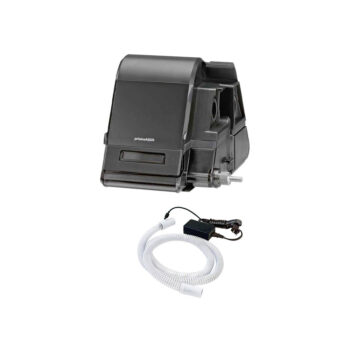
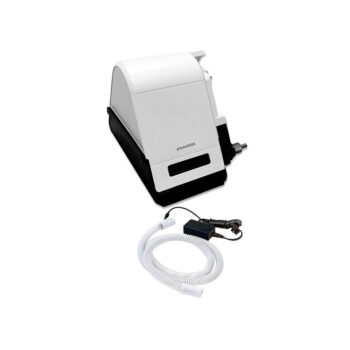
Upgrade to a heated tube (climate line tubing) for a consistent air temperature and optimal humidity balance.
Tip: Most premium CPAP devices, such as Resmed AirSense™ 10 or 11, or Philips DreamStation 2, offer integrated humidifiers and heated tubing options. This combination helps maintain a steady climate inside your mask, regardless of room temperature.
CPAP Use During Colds and Flu
Sleeping with a cold, flu, or upper respiratory tract infection is never easy — and it’s even tougher when you use CPAP. However, stopping your CPAP treatment during illness is not recommended, as untreated sleep apnea may worsen other symptoms like sore throat or fatigue.
If you experience ear pressure, pain, or any discomfort, contact your GP or sleep specialist before discontinuing therapy.
Remedies to Make CPAP More Comfortable When You’re Sick
Use a saline nasal spray to moisturize and clear sinus passages.
Consider a decongestant, but start early in the evening so it takes effect by bedtime.
Try an over-the-counter nasal spray like Beconase (for short-term use only, up to three days). Always consult your pharmacist before use, especially if you’re taking other medications.
Never add oils or decongestants (like Olbas oil) to your humidifier or filter — this can damage your CPAP device.
Use a Full Face CPAP Mask When Congested
Most CPAP users prefer nasal masks, but when congestion strikes, mouth breathing often follows. This can cause air leaks, dry mouth, and reduced therapy effectiveness.
Switching to a Full Face CPAP Mask during illness ensures that your treatment remains effective even if you breathe through your mouth. It also prevents “mouth leak,” which can cause dryness, nasal congestion, and flu-like symptoms upon awakening.
Pro tip: Keep a full-face mask handy as a backup during the winter season or cold episodes.
The Importance of Heated Humidification
Using heated humidification is the most effective way to prevent dryness, nasal congestion, and irritation during winter CPAP therapy.
A humidifier warms and moistens the air before it reaches your airways, easing inflammation and making breathing more comfortable — especially in cold European climates.
Watch Out for “Rainout” (Condensation in the Tube)
When warm, moist air from your humidifier cools down inside the tubing, it can form water droplets or condensation — known as “rainout.” This can cause gurgling noises or even water reaching your mask.
Upgrade Your Winter Setup: Humidifier + Heated Tube
If you live in a cold or dry climate, or experience discomfort from dry air, upgrading your setup can make a huge difference:
Benefits of Using a CPAP Humidifier and Heated Tube:
Prevents dry nose, mouth, and throat
Reduces nasal congestion and sinus irritation
Maintains consistent temperature and humidity throughout the night
Eliminates rainout and gurgling sounds in the hose
Enhances overall comfort and therapy compliance
Explore CPAP Humidifiers and Heated Tubes Available for all major brands including Resmed, Philips Respironics, Fisher & Paykel, and BMC. Check our collection at cpapstore.eu
Final Thoughts: Keep Your CPAP Comfortable This Winter
Don’t let cold air, dry sinuses, or seasonal colds disrupt your therapy. By using heated humidification, heated tubing, and the right mask, you can enjoy uninterrupted, comfortable sleep all winter long — even during cold and flu season.
Traveling with a CPAP machine doesn’t have to be complicated. Whether you’re flying domestically or internationally, you can take your CPAP machine with you to ensure you get a good night’s sleep wherever you are. This guide covers everything you need to know about flying with your CPAP machine, from packing it properly to going through airport security.
Is Your CPAP Machine Allowed on Flights?
Yes! CPAP machines are considered medical devices and are allowed on airplanes. Most airlines and airports recognize the importance of these devices and accommodate passengers who need them. The U.S. Transportation Security Administration (TSA) and many other airport security agencies worldwide allow you to bring your CPAP machine as a carry-on without counting it toward your baggage limit. It’s always a good idea to check your airline’s specific regulations regarding medical equipment before your trip.
Preparing Your CPAP Machine for Travel
Before you head to the airport, take a few steps to prepare your CPAP machine for a smooth journey:
Get a Travel Case: Most CPAP machines come with a travel case designed to protect the device during transit. A compact, well-padded case will help keep your machine safe.
Check the Voltage: If you’re traveling internationally, make sure your CPAP machine supports dual voltage (110-240V). Most modern machines do, but it’s a good idea to check to avoid any issues.
Bring a Portable Power Supply: Some flights might not have power outlets available, especially in economy class. Investing in a CPAP battery pack or a portable power supply can be a good backup option(optional).
Going Through Airport Security with Your CPAP Machine
Passing through airport security with a CPAP machine is usually straightforward, but it’s helpful to know what to expect:
Separate Screening: Airport security may ask you to remove your CPAP machine from its case for separate screening. You can request that the machine be placed in a clean, protective bag or a plastic bin to keep it from touching any dirty surfaces.
Medical Device Tag: If your CPAP machine has a medical equipment tag or label, it’s a good idea to keep it visible. This can speed up the screening process.
Explain to Security: Let the security officers know that you are traveling with a CPAP machine. This can help them handle it with care and ensure a quicker screening process.
X-ray Scanner Compatibility: CPAP machines are safe to pass through X-ray scanners, and the scanning process does not affect the device or its functionality. You don’t need to worry about the machine being damaged by airport screening equipment.
Using Your CPAP Machine on the Plane
Using a CPAP machine during the flight can significantly improve your comfort, especially on long-haul flights. Here are some tips:
Inform the Airline in Advance: Contact the airline at least 48 hours before your flight to inform them that you’ll be using a CPAP machine on board. Some airlines require a medical equipment clearance form, so it’s good to check ahead.
Check for Power Outlets: While some airlines offer power outlets for medical devices, they might be limited to certain seats or classes of service. Confirm this with the airline and consider booking a seat with easy access to a power source.
Battery Requirements: If your CPAP machine runs on batteries, ensure you have enough power to last the entire flight. Most airlines require that you have batteries for at least 150% of the flight’s duration in case of delays or power issues.
Tips for International Travel with a CPAP Machine
Traveling internationally with a CPAP machine involves a few extra considerations:
Adapters and Converters: Depending on your destination, you may need plug adapters or voltage converters to use your CPAP machine. Make sure you’re prepared with the appropriate equipment.
Carry-On vs. Checked Luggage: Always keep your CPAP machine in your carry-on luggage. Checking it in can lead to damage or delays if your luggage is lost or mishandled.
Customs and Declarations: In some countries, you might be required to declare medical devices upon entry. Carry a copy of your doctor’s prescription or a note explaining that you use a CPAP machine.
Cleaning Your CPAP Machine While Traveling
Maintaining your CPAP machine’s cleanliness is essential, even while on the road. Here are some tips to keep it clean during your travels:
Bring CPAP Wipes: CPAP cleaning wipes are a convenient way to clean your mask and equipment when you don’t have access to soap and water.
Pack a Small Towel: Use a clean towel to dry any parts of your CPAP machine that need rinsing or cleaning.
Avoid Using Tap Water: If you need to refill the humidifier chamber, use distilled water when possible. Tap water can contain minerals and impurities that may damage your CPAP machine over time.
Helpful Resources and Contacts
Airline Assistance: Each airline has specific policies regarding CPAP machines, so always check their website or contact customer service for detailed instructions.
TSA Guidelines: Visit the TSA website to get the latest information on traveling with medical equipment.
CPAP Manufacturer Support: Many CPAP machine manufacturers offer travel tips and assistance for their devices. Reach out to them for any questions or concerns.
Final Thoughts
Flying with your CPAP machine doesn’t have to be stressful. With a little preparation and understanding of the guidelines, you can ensure a smooth journey and get the restful sleep you need while traveling. Taking the right steps will help you stay comfortable, healthy, and well-rested on your next flight.
Why do we snore? Proven Effectiveness with Oniris Anti-Snoring Device
When you sleep, your muscles relax. This relaxation of the muscles reduces the space in the airways and limits the amount of air you breathe in to supply oxygen to the lungs. The airflow accelerates, and the relaxed tissues start to vibrate, which causes the snoring sound.
Why do we snore
Sometimes the pharynx is completely obstructed, which causes respiratory failure or sleep apnoea that can last for 10 seconds or more. This phenomenon can repeatedly occur several dozens or even hundreds of times a night; in such cases, it is called Obstructive Sleep Apnoea Syndrome (OSAS).
This sleep disorder lowers the levels of oxygen in the blood and causes many unconscious micro-awakenings. It can have serious consequences (hypertension, cancer, stroke, depression, cardiovascular disease, fatigue and sleepiness, impaired libido, etc.), leading to premature death.
However, according to the French health authorities, 90% of people with sleep apnoea are unaware of their condition and are not treated. If you are suffering from sleep apnoea, we recommend that you should consult a specialist doctor.
Why snoring can be more severe than you thought
Everyone is familiar with snoring, and it is incredibly embarrassing for you, your partner and those around you. But there is something much less known and much more dangerous, of which snoring is often a sign: obstructive sleep apnoea (OSA). It is a partial or total obstruction of the passage of air in the pharynx during the night. Specifically, your breathing is blocked for 10 seconds or more (as if you held it in). And this can be repeated dozens or hundreds of times per night. This causes micro-awakenings. And a drop in the oxygen rate in the blood. You sometimes feel intense fatigue, and the accumulation of which becomes dangerous (particularly when driving). But this is not all: high blood pressure, cancer, stroke, depression and libido problems, etc. The consequences can be severe and cause premature death. The problem is that sleep apnoea is underdiagnosed. According to the sleep report by the Ministry of Health and Solidarity (2006), 85% to 90% of patients are NOT treated. And therefore, unaware that they are suffering! If you are suffering from sleep apnoea, it is important that you should consult a specialist doctor.
The consequences of sleep apnoea in figures
The risk of high blood pressure is multiplied by 5, and 40% of people with high blood pressure suffer from apnoea.
Risk of coronary heart disease multiplied by 5
Risk of atrial fibrillation multiplied by 4
Risk of ventricular tachycardia multiplied by 3
The risk of stroke increased by 60%, and 60% of people affected suffered from sleep apnoea.
Cancer risk multiplied by 4.8 in severe cases
Risk of type 2 diabetes, twice as frequent among snorers and four times more among those with sleep apnoea
Risk of Alzheimer’s disease, which appears ten years earlier among snorers and those with sleep apnoea
Risk of depression multiplied by 1.6 to 2.6 depending on the severity of the apnoea
Risk of road traffic accidents and in the workplace multiplied by five.
Mandibular advancement devices, is this treatment recognised by the medical community? For several decades now, clinical studies have shown that mandibular repositioning devices are effective against snoring and sleep apnoea. Of course, other treatments are available. Surgery can be effective, but it is costly, involves risks and does not guarantee results even though it is final. Nasal dilators may help some snorers if their nasal breathing is limited, but snoring is not the main cause. And throat lubricants (sprays or lozenges) do not work after a few minutes and in cases of very light snoring.
Mandibular advancement devices are generally recommended as the first-line treatment for snoring and sleep apnoea* by Americans, Europeans, Japanese, etc. Sleep Associations.For cases of mild to moderate sleep apnoea.
For cases of sleep apnoea, mandibular advancement devices are recommended for cases of rejection or in association with continuous positive-pressure machines. For cases of sleep apnoea, seek advice from your doctor.
Winter can be a challenging time for CPAP users. The lack of humidity in the dry cold winter air, combined with the use of CPAP therapy can cause the nasal passages to become dry while using CPAP with a cold or flu can only make matters worse.
One of the main functions of the nose is to warm and moisten the air you breathe. If the air is cold tiny blood vessels inside the nostrils, dilate to help warm up the air, but the extra blood flow causes the airway to narrow and leads to additional mucus production to protect its sensitive tissues and to add more moisture to the inhaled air. Unfortunately, this may cause nasal congestion and a runny nose.
If the air through the mask does feel too cold and your sleep is disrupted there are some simple remedies that can be tried to overcome this:
Try closing the windows and heating the bedroom.
Also try placing the tubing under the bedclothes as heat from the body will increase the temperature of the air passing through it.
Use the specific humidifier for your CPAP machine.
Use the heated tube, which will improve the climate of CPAP therapy.
It’s never easy to sleep when you have an upper respiratory tract infection, a cold or flu, but for people on CPAP therapy, it is more difficult to tolerate treatment at this time.
Stopping using your CPAP when you have a cold is not advised as it can make other cold symptoms such as a sore throat a lot worse. However, if you are too uncomfortable or if you experience ear pressure or pain or have any other concerns, contact your GP or medical provider.
Again some simple remedies can be tried to make treatment more comfortable when you do have a cold.
Use of a saline nasal spray to add moisture to the sinus passages can relieve swelling and help you breathe easier.
Decongestants can help although these can take a while to work, so they need to be used early enough so that they take effect by bedtime.
An ‘over the counter spray’ such as Beconase can be used to decrease inflammation in the nasal passages and help reduce the swelling of the nasal mucosa. This is only recommended for short term use, i.e. less than three days. If you are taking any other medicines, including those bought without a prescription and herbal medicines, you should check with your pharmacist before you start treatment with this.
Under no circumstances be tempted to add Olbas oil or similar decongestants to the water in your humidifier and do not put it on the filter of your device as this can damage your equipment.
Use a Full Face CPAP Mask
Most CPAP masks are nasal masks so require you to breathe only through your nose, but when nasal congestion develops, it becomes difficult to do this. Nasal congestion or resistance as experienced during a cold can lead to you breathing through your mouth. When air from your CPAP device escapes through your mouth (mouth leak), it can be a significant problem that may compromise the effectiveness of your CPAP therapy. Mouth leak causes high airflow in one direction, preventing the lung’s moist air from passing back through the nose which results in drying of the skin in the nose, nasal congestion, and flu-like symptoms upon awakening.
Many people who routinely use nasal masks with their CPAP treatment purchase a Full-Face CPAP mask for use when they have a cold or an upper respiratory tract infection. Use of this type of mask will ensure that if you do revert to breathing through your mouth treatment can still be used, and it will continue to be effective.
Add heated humidification
Use of heated humidification with CPAP treatment is recognised as the most effective method of preventing or reversing the symptoms resulting from cold air or an upper respiratory tract infection as the air is warmed and moistened before it reaches the nose. This will help with nasal congestion, ease inflamed nasal passages and make the air more comfortable to breathe.
Some people using heated humidification can experience a problem known as ‘rainout’ during cold weather when the warmed moistened air coming from the humidifier is cooled by room air as it moves down the tube towards the mask and moisture in the cooler air returns to a liquid.
This can result in droplets of water or condensation to gather in the tube and mask.
There are several ways to lessen the problem of ‘rainout’, and the following may help:-
Always have the device and humidifier positioned lower than the bed.
Close the bedroom window, turn the humidifier down or raise the temperature in the bedroom at night to lessen the difference between the temperature in the room and the tube.
Tuck the tube under the bedclothes to keep it warm.
Insulate the hose by covering it with a tubing wrap.
Maintaining properly your CPAP equipment (CPAP mask, CPAP tubes, CPAP filters) can make a difference in how effective your CPAP therapy is. Cleaning solutions consistently can help keep your CPAP equipment in good working and maintain your therapy at best possible. Use our replacement schedule to help you keep track when to replace your CPAP mask and supplies.
CPAP Mask
Replace your CPAP mask
Recommended replacement every 6 – 12 months
Signs of an Aging CPAP Mask:
Air leakage, loose headgear, general discomfort, frayed fabric, visible rips or tears in your cushion, loss of cushion shape.
Getting the Most Out of Your CPAP Mask:
CPAP Masks should be washed daily with warm water and gentle soap or baby shampoo.
CPAP Mask Cushion
Replace your CPAP mask cushion
Recommended replacement every 3 – 6 months
Signs of an Aging CPAP Mask Cushion:
Air leakage, visible rips or tears in your cushion, loss of cushion shape.
Getting the Most Out of Your CPAP Mask Cushion:
Wipe your CPAP mask cushion after each use with mask wipes as the oils from your skin can accelerate degradation of the cushion material.
CPAP Mask Headgear
Replace your CPAP mask headgear
Recommended replacement every 6 – 9 months
Signs of an Aging CPAP Mask Headgear:
Loose headgear, general discomfort or over-tightening, frayed fabric, visible rips or tears.
Getting the Most Out of Your CPAP Mask Headgear:
CPAP mask headgear will stretch out over time. Adjust your headgear so it’s snug, but not too tight. Not only is over-tightening uncomfortable, it can cause it to wear out faster. Wash with a gentle soap, infrequently.
CPAP HOSES & TUBING
Replace your CPAP HOSES & TUBING
Recommended replacement every 6 – 12 months
Signs of an Aging CPAP Hoses & Tubing:
Air leakage, loose hose connections, visible rips or tears, mineral build-up, unfamiliar odors, signs of mold growth.
Getting the Most Out of Your CPAP Hoses & Tubing:
CPAP mask headgear will stretch out over time. Adjust your headgear so it’s snug, but not too tight. Not only is over-tightening uncomfortable, it can cause it to wear out faster. Wash with a gentle soap, infrequently.
CPAP Air Filter
Replace your CPAP air Filter
Recommended replacement every 3 – 6 months
Signs of an Aging CPAP Air Filter:
Visible dust or dirt, low airflow, unfamiliar odors.
Getting the Most Out of Your CPAP Air Filter:
CPAP filters are not reusable or washable. Normally CPAP filter should last for a minimum of 90 up to 180 days. Once your filter has reached it’s days of use replace it.
CPAP Humidifier water chamber
Replace your CPAP Humidifier water chamber
Recommended replacement every 6 – 12 months
Signs of an Aging CPAP Humidifier Water Chamber:
Heavy mineral build-up, discoloration of plastic, unfamiliar odors, signs of mold growth.
Getting the Most Out of Your CPAP Humidifier Water Chamber:
Use distilled water in your water chamber to reduce mineral build up. You should empty and dry out your water chamber daily, with infrequent cleanings.
Obstructive Sleep Apnoea is when your airway closes during your sleep. This causes you to stop breathing, making your brain change the sleep stages. These micro-arousals, caused by the apneas, often go completely unnoticed by the person despite occurring up to 400 times a night, although partners or roommates are more likely to notice the splutter or loud snoring noise associated with them. It is the symptoms of Sleep Apnoea, more than the events themselves, that provide the clues about your condition.
Key Signs and Symptoms of Sleep Apnea:
Gasping or choking during sleep
Snoring
Feeling excessively tired during the day
Anxiety
Depression
High Blood Pressure
Lack of interest in sex
Irritability and a short temper
Poor memory and concentration
Frequent toilet visits during the night
Headaches (particularly in the morning)
Statistics of Obstructive Sleep Apnea
OSA is more common in men than women, especially obese men who snore. Seniors are more likely to develop the condition – as are people with hypertension, diabetes, and obesity. With the increasing age and obesity, the numbers of OSA cases is expected to increase in coming years.
The majority of OSA cases are undiagnosed but experts estimate that 10% of global population in adults have the disorder. Only a small number have been diagnosed and treated.
When the condition is not treated, people do not get the restorative sleep the body requires. Plus, there are consequences such as increased road traffic accident rates, cardiovascular events, and strokes.
40% increased excessive daytime sleepiness
2 times more traffic accidents per mile
3 times greater risk of occupational accidents
40% increased risk of depression
1.3 to 2.5 times more hypertension
1.6 times increased chance of stroke
1.4 to 2.3 times greater risk of heart attack
2.2 times higher risk of nocturnal cardiac arrhythmia
3.9 times more likely to have congestive heart failure
CPAP Improves Sleep Apnoea Dramatically
Most people receiving CPAP treatment experience a dramatic improvement in their health and quality of life, and their health care costs return to normal levels. They showed significant improvements in driving, daytime sleepiness, cognitive performance, and mood. Also, work absenteeism was reduced.
If you snore loudly and show other signs of Obstructive Sleep Apnoea, it is time to take an In-Home Sleep Test as the first step toward getting treatment.
Disclaimer: This blog post provides a general overview of medical conditions and potential treatments. It is not intended as medical advice. For personalized medical guidance, please consult your healthcare professional.