Category Archives: Research

Winter with cold weather can be challenging for CPAP Therapy

Winter with cold weather can be challenging for CPAP Therapy

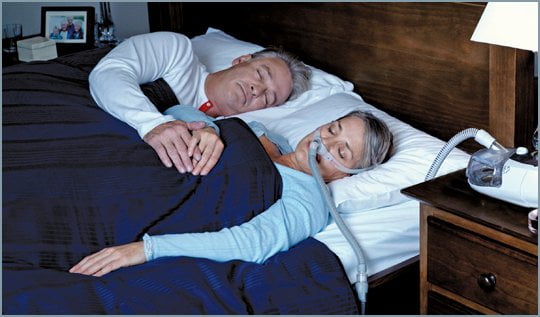
Winter can be a challenging time for CPAP users. The lack of humidity in the dry cold winter air, combined with the use of CPAP therapy can cause the nasal passages to become dry while using CPAP with a cold or flu can only make matters worse.

One of the main functions of the nose is to warm and moisten the air you breathe. If the air is cold tiny blood vessels inside the nostrils, dilate to help warm up the air, but the extra blood flow causes the airway to narrow and leads to additional mucus production to protect its sensitive tissues and to add more moisture to the inhaled air. Unfortunately, this may cause nasal congestion and a runny nose.

If the air through the mask does feel too cold and your sleep is disrupted there are some simple remedies that can be tried to overcome this:

  • Try closing the windows and heating the bedroom.
  • Also try placing the tubing under the bedclothes as heat from the body will increase the temperature of the air passing through it.
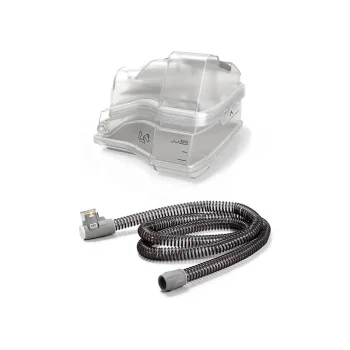
  • Use the specific humidifier for your CPAP machine.
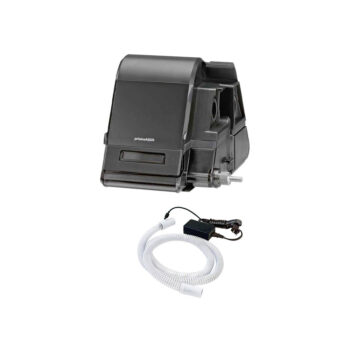
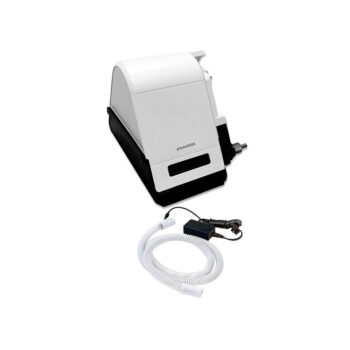
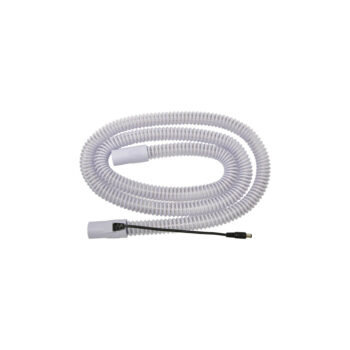
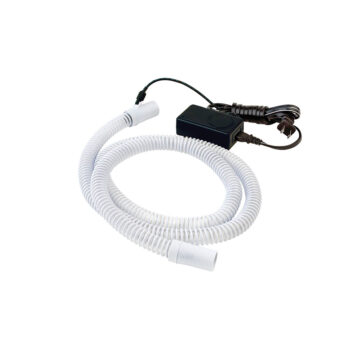
  • Use the heated tube, which will improve the climate of CPAP therapy.

Upper respiratory tract infections, colds and flu

It’s never easy to sleep when you have an upper respiratory tract infection, a cold or flu, but for people on CPAP therapy, it is more difficult to tolerate treatment at this time.

Stopping using your CPAP when you have a cold is not advised as it can make other cold symptoms such as a sore throat a lot worse. However, if you are too uncomfortable or if you experience ear pressure or pain or have any other concerns, contact your GP or medical provider.

Again some simple remedies can be tried to make treatment more comfortable when you do have a cold.

  • Use of a saline nasal spray to add moisture to the sinus passages can relieve swelling and help you breathe easier.
  • Decongestants can help although these can take a while to work, so they need to be used early enough so that they take effect by bedtime.
  • An ‘over the counter spray’ such as Beconase can be used to decrease inflammation in the nasal passages and help reduce the swelling of the nasal mucosa. This is only recommended for short term use, i.e. less than three days. If you are taking any other medicines, including those bought without a prescription and herbal medicines, you should check with your pharmacist before you start treatment with this.

Under no circumstances be tempted to add Olbas oil or similar decongestants to the water in your humidifier and do not put it on the filter of your device as this can damage your equipment.

Use a Full Face CPAP Mask

Most CPAP masks are nasal masks so require you to breathe only through your nose, but when nasal congestion develops, it becomes difficult to do this. Nasal congestion or resistance as experienced during a cold can lead to you breathing through your mouth. When air from your CPAP device escapes through your mouth (mouth leak), it can be a significant problem that may compromise the effectiveness of your CPAP therapy. Mouth leak causes high airflow in one direction, preventing the lung’s moist air from passing back through the nose which results in drying of the skin in the nose, nasal congestion, and flu-like symptoms upon awakening.

Many people who routinely use nasal masks with their CPAP treatment purchase a Full-Face CPAP mask for use when they have a cold or an upper respiratory tract infection. Use of this type of mask will ensure that if you do revert to breathing through your mouth treatment can still be used, and it will continue to be effective.

Add heated humidification

Use of heated humidification with CPAP treatment is recognised as the most effective method of preventing or reversing the symptoms resulting from cold air or an upper respiratory tract infection as the air is warmed and moistened before it reaches the nose. This will help with nasal congestion, ease inflamed nasal passages and make the air more comfortable to breathe. 

Some people using heated humidification can experience a problem known as ‘rainout’ during cold weather when the warmed moistened air coming from the humidifier is cooled by room air as it moves down the tube towards the mask and moisture in the cooler air returns to a liquid.

This can result in droplets of water or condensation to gather in the tube and mask.

There are several ways to lessen the problem of ‘rainout’, and the following may help:-

  • Always have the device and humidifier positioned lower than the bed.
  • Close the bedroom window, turn the humidifier down or raise the temperature in the bedroom at night to lessen the difference between the temperature in the room and the tube.
  • Tuck the tube under the bedclothes to keep it warm.
  • Insulate the hose by covering it with a tubing wrap.

Recommended Replacement Schedule for CPAP Mask and Supplies

Recommended Replacement Schedule for CPAP Mask and Supplies

Maintaining properly your CPAP equipment (CPAP mask, CPAP tubes, CPAP filters) can make a difference in how effective your CPAP therapy is. Cleaning solutions consistently can help keep your CPAP equipment in good working and maintain your therapy at best possible. Use our replacement schedule to help you keep track when to replace your CPAP mask and supplies.

CPAP Mask

Replace your CPAP mask

Recommended replacement every 6 – 12 months

Signs of an Aging CPAP Mask:

Air leakage, loose headgear, general discomfort, frayed fabric, visible rips or tears in your cushion, loss of cushion shape.

Getting the Most Out of Your CPAP Mask:

CPAP Masks should be washed daily with warm water and gentle soap or baby shampoo.

CPAP Mask Cushion

Replace your CPAP mask cushion

Recommended replacement every 3 – 6 months

Signs of an Aging CPAP Mask Cushion:

Air leakage, visible rips or tears in your cushion, loss of cushion shape.

Getting the Most Out of Your CPAP Mask Cushion:

Wipe your CPAP mask cushion after each use with mask wipes as the oils from your skin can accelerate degradation of the cushion material.

CPAP Mask Headgear

Replace your CPAP mask headgear

Recommended replacement every 6 – 9 months

Signs of an Aging CPAP Mask Headgear:

Loose headgear, general discomfort or over-tightening, frayed fabric, visible rips or tears.

Getting the Most Out of Your CPAP Mask Headgear:

CPAP mask headgear will stretch out over time. Adjust your headgear so it’s snug, but not too tight. Not only is over-tightening uncomfortable, it can cause it to wear out faster. Wash with a gentle soap, infrequently.

CPAP HOSES & TUBING

Replace your CPAP HOSES & TUBING

Recommended replacement every 6 – 12 months

Signs of an Aging CPAP Hoses & Tubing:

Air leakage, loose hose connections, visible rips or tears, mineral build-up, unfamiliar odors, signs of mold growth.

Getting the Most Out of Your CPAP Hoses & Tubing:

CPAP mask headgear will stretch out over time. Adjust your headgear so it’s snug, but not too tight. Not only is over-tightening uncomfortable, it can cause it to wear out faster. Wash with a gentle soap, infrequently.

CPAP Air Filter

Replace your CPAP air Filter

Recommended replacement every 3 – 6 months

Signs of an Aging CPAP Air Filter:

Visible dust or dirt, low airflow, unfamiliar odors.

Getting the Most Out of Your CPAP Air Filter:

CPAP filters are not reusable or washable. Normally CPAP filter should last for a minimum of 90 up to 180 days. Once your filter has reached it’s days of use replace it.

CPAP Humidifier water chamber

Replace your CPAP Humidifier water chamber

Recommended replacement every 6 – 12 months

Signs of an Aging CPAP Humidifier Water Chamber:

Heavy mineral build-up, discoloration of plastic, unfamiliar odors, signs of mold growth.

Getting the Most Out of Your CPAP Humidifier Water Chamber:

Use distilled water in your water chamber to reduce mineral build up. You should empty and dry out your water chamber daily, with infrequent cleanings.

Signs of Sleep Apnea

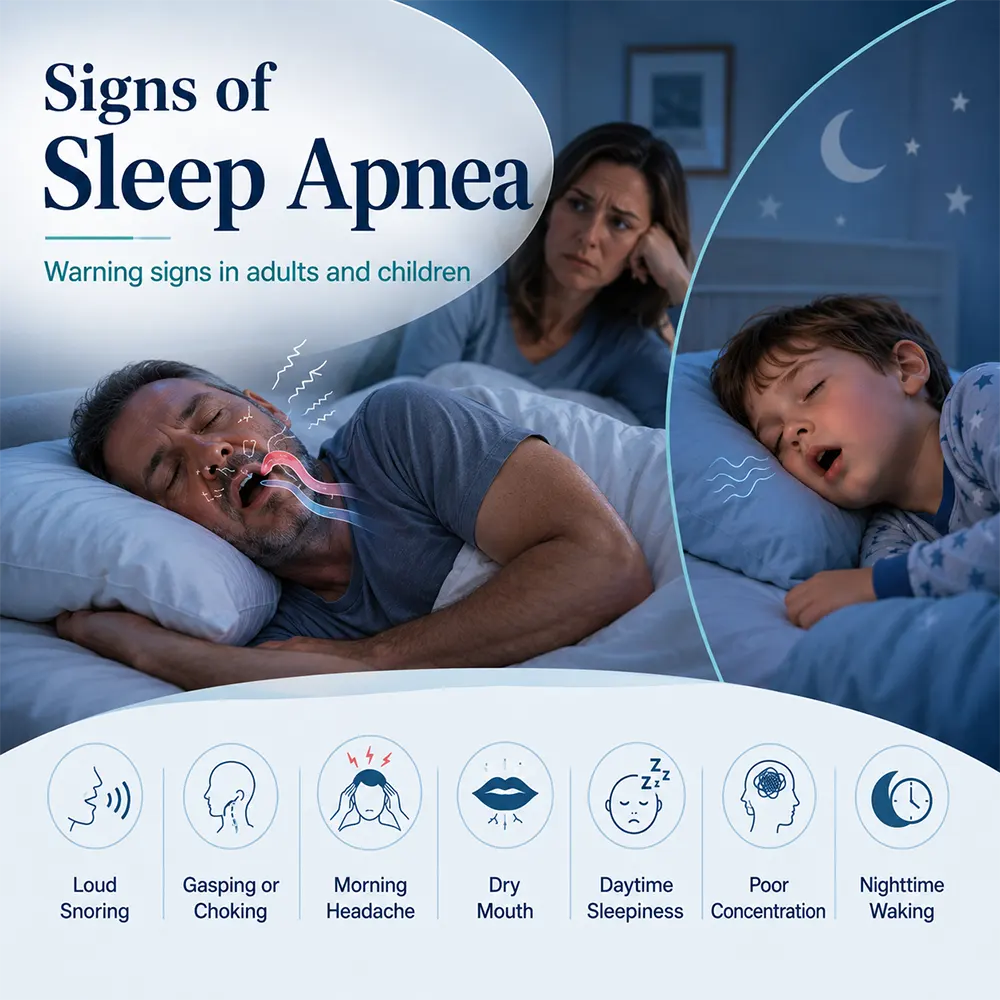
Infographic showing signs of sleep apnea in adults and children

Symptoms You Should Not Ignore

Sleep apnea is more than loud snoring. It is a sleep disorder where breathing repeatedly stops or becomes restricted during sleep. These breathing pauses can reduce sleep quality, lower oxygen levels, and leave you feeling tired even after a full night in bed.

The problem is that many people do not know they have sleep apnea. The most obvious signs often happen while they are asleep, so a partner or family member may notice them first.

Quick Answer: What Are the Main Signs of Sleep Apnea?

The most common signs of sleep apnea include:

  • Loud snoring
  • Pauses in breathing during sleep
  • Waking up gasping or choking
  • Morning headaches
  • Dry mouth or sore throat
  • Daytime tiredness
  • Poor concentration
  • Mood changes or irritability
  • Restless sleep
  • Waking up often during the night

If several of these symptoms sound familiar, it may be time to speak with a doctor or sleep specialist.

Signs of Sleep Apnea in Adults

Sleep apnea in adults is often linked with snoring, tiredness, and breathing interruptions during sleep. However, symptoms can appear in different ways.

Loud Snoring

Loud, regular snoring is one of the most common warning signs. Not everyone who snores has sleep apnea, but snoring combined with choking, gasping, or breathing pauses should not be ignored.

Pauses in Breathing

A partner may notice that breathing stops for short moments during sleep. These pauses are often followed by a gasp, snort, or choking sound.

Waking Up Gasping or Choking

Some people wake suddenly feeling short of breath. This can happen when the airway becomes blocked during sleep.

Morning Headaches

Frequent morning headaches can be connected with poor sleep quality and oxygen changes during the night.

Dry Mouth or Sore Throat

Many people with sleep apnea breathe through the mouth while sleeping. This can cause dry mouth, sore throat, or bad breath in the morning.

Daytime Sleepiness

Sleep apnea prevents deep, restful sleep. As a result, you may feel tired during the day, even if you slept for many hours.

Poor Concentration and Memory

Untreated sleep apnea can affect focus, memory, and daily performance. Many people describe it as “brain fog.”

Mood Changes

Irritability, anxiety, low mood, or lack of motivation may also be connected with poor sleep caused by sleep apnea.

Signs of Sleep Apnea in Children

Sleep apnea can also affect children. In children, the signs are sometimes different from adults.

Common symptoms include:

  • Snoring
  • Mouth breathing
  • Pauses in breathing during sleep
  • Restless sleep
  • Bedwetting
  • Daytime sleepiness
  • Poor attention
  • Learning difficulties
  • Hyperactivity
  • Irritability
  • Poor school performance

Children with sleep apnea may not always look sleepy. Some become more active, restless, or difficult to concentrate.

Signs of Sleep Apnea in Toddlers

In toddlers, sleep apnea can be harder to recognise. Parents should watch for:

  • Noisy breathing during sleep
  • Mouth breathing
  • Snoring
  • Restless sleep
  • Coughing or choking during sleep
  • Heavy sweating at night
  • Frequent waking
  • Slow growth or poor weight gain
  • Irritability during the day

If these signs appear often, it is best to speak with a paediatrician.

When Should You See a Doctor?

You should speak with a healthcare professional if you or your child has loud snoring together with breathing pauses, choking, gasping, or strong daytime tiredness.

A doctor may recommend a sleep test to check breathing, oxygen levels, and sleep quality during the night.

You can also learn more about sleep testing here:

Home Sleep Test with ApneaLink

For professional diagnostic equipment, you can also see:

ApneaLink Air Sleep Screening Device

What Happens If Sleep Apnea Is Confirmed?

If sleep apnea is diagnosed, treatment depends on the severity and the cause. One of the most common treatments for obstructive sleep apnea is CPAP therapy.

CPAP therapy helps keep the airway open during sleep by delivering a steady flow of air through a mask.

You can explore CPAP therapy options here:

CPAP Machines

Popular CPAP options include:

AirSense 10 AutoSet Auto CPAP

AirSense 11 AutoSet with AirFit F40 Full Face Mask Bundle

Choosing the Right CPAP Mask

The CPAP mask is one of the most important parts of therapy. A poor mask fit can cause air leaks, discomfort, dry mouth, and poor therapy results.

If you breathe through your mouth or have nasal obstruction, a full face or hybrid full face mask may be recommended.

A popular compact option is:

AirFit F40 Mask and Cushion Replacement

You can also read our mask review here:

Resmed AirFit F40 Full Face Mask Review

Dry Mouth During CPAP Therapy

Dry mouth is common in sleep apnea and CPAP therapy, especially when mouth breathing or mask leaks are present.

A heated humidifier and heated tube can improve comfort by adding moisture to the air.

See CPAP humidifier options here:

CPAP Heated Humidifiers

You may also find this guide useful:

How to Avoid Water in CPAP Tubing and Masks

Takeaway

Sleep apnea is not only a snoring problem. It can affect sleep quality, energy, mood, concentration, and long-term health.

The main warning signs are loud snoring, breathing pauses, gasping, choking, morning headaches, dry mouth, and daytime tiredness.

If you notice these symptoms in yourself, your partner, or your child, speak with a healthcare professional and consider a sleep test.

Early diagnosis can make treatment easier and improve daily energy, sleep quality, and overall health.

FAQ

Can you have sleep apnea without snoring?

Yes. Snoring is common in obstructive sleep apnea, but some people may have sleep apnea without loud snoring.

Is waking up tired a sign of sleep apnea?

Yes. Feeling tired after a full night of sleep can be a sign that your sleep is being interrupted by breathing problems.

Can children have sleep apnea?

Yes. Children can have sleep apnea. Signs may include snoring, mouth breathing, restless sleep, poor attention, hyperactivity, or learning difficulties.

Does CPAP cure sleep apnea?

CPAP does not usually cure sleep apnea, but it helps control it by keeping the airway open during sleep.

What is the best first step if I think I have sleep apnea?

The best first step is to speak with a doctor or sleep specialist. They may recommend a sleep test to confirm the diagnosis.


Medical Disclaimer: This article is for general educational purposes only and does not replace professional medical advice, diagnosis, or treatment. If you suspect sleep apnea, please consult a qualified healthcare professional.

COVID-19 and COPD Patients

COVID-19 and COPD Patients

COVID-19, short for coronavirus disease 2019, is an infection caused by severe acute respiratory syndrome coronavirus 2 (SARS-CoV-2). SARS-CoV-2 is a newly identified pathogen that has not previously been seen in humans and is highly contagious. Though it belongs to the same category of viruses as SARS coronavirus (SARS-CoV) and influenza viruses, SARS-CoV-2 is a different strain with its own characteristics.

COVID-19 was first reported in Wuhan, China, in December 2019, and the outbreak has spread quickly across the world, prompting the World Health Organization (WHO) to declare COVID-19 a pandemic.

How does COVID-19 spread?

Because COVID-19 is a new virus, nobody has prior immunity to it, meaning the entire human population is prone to infection.

It primarily spreads via respiratory droplets when people cough or sneeze. Scientists have yet to understand how easily and sustainably the disease can spread among people. Based on available evidence, researchers do not think the airborne spread is a major transmission route.

Individuals over age 60 are at the highest risk of developing a severe case of COVID-19, while children do not seem to be at a higher risk than adults.

There are currently no reports about how susceptible pregnant women may be to COVID-19 or about the transmission of the virus through breast milk.

What are the symptoms of COVID-19?

Common symptoms of COVID-19 begin two to 14 days after exposure. They include fever, tiredness, and dry cough. Other symptoms include sputum production, shortness of breath, sore throat, headache, myalgia (muscle pain) or arthralgia (joint pain), chills, vomiting, and nasal congestion. Less frequent symptoms include diarrhoea, hemoptysis (coughing up blood from the respiratory tract), and conjunctival congestion.

Most of these symptoms are usually mild, and about 80% of people who get the virus will typically recover without needing any special treatment. However, about 1 in 6 patients become seriously ill and develop breathing difficulties.

What general preventive measures should people take?

The following simple preventive measures can help minimize the spread of COVID-19:

Wash your hands often with soap, lathering both the front and the back of the hands and fingers for at least 15 to 20 seconds. If soap is not available, use a hand sanitizer that contains at least 60% alcohol. The European Centre for Disease Prevention and Control produced a poster detailing effective handwashing.

Avoid close contact with someone who is ill. (Maintain a distance of at least 1.8 meters). Stay at home if you are sick. Use a tissue to cover your mouth and nose if you cough or sneeze and dispose of it properly afterwards.

Disinfect surfaces and objects you touch frequently. Avoid touching your eyes, nose, and mouth with unwashed hands.

The U.S. Centers for Disease Control (CDC) does not recommend that healthy people wear a face mask.

What extra precautions should COPD patients take?

Patients with chronic obstructive pulmonary disease (COPD) should take appropriate preventive measures as they are at a higher risk of having a more severe infection than others.

In addition to the general preventive measures listed above patients should:

  • Stock up on necessary medications and supplies that can last for a few weeks.
  • Avoid crowds and non-essential travel.
  • Stay at home as much as possible.

Most patients with respiratory diseases will recover from COVID-19. If symptoms of a viral infection appear and patients have travelled to a high-risk area in the past 40 days, they should self-isolate at home for 14 days. They should maintain their daily care regimens and speak to their healthcare providers for any specific queries about their personal health.

Advice for family members and caregivers

Family members and caregivers of people with chronic diseases should take appropriate precautions and take extra care to avoid bringing COVID-19 home. They should constantly monitor patients and stock medicines and other necessary supplies that can last for several weeks. Storing extra non-perishable food can help minimize trips to the grocery store.

People who show symptoms of COVID-19 should avoid visiting their family members until the self-isolation period is complete.

What should sick individuals do?

If symptoms are present and a COVID-19 diagnosis is confirmed, patients should follow these steps to prevent the spread of the infection:

  • Stay at home, preferably in a separate room not shared with others, and isolate themselves, with the exception of getting medical care.
  • Avoid public areas and public transport.
  • Limit contact with pets and animals.
  • Avoid sharing personal items.
  • Cover coughs and sneezes with tissues and dispose of them properly.
  • Sanitize hands regularly. 
  • Disinfect surfaces such as phones, keyboards, toilets, and tables.

People should call ahead before visiting the hospital for an appointment. This way, the hospital can take necessary steps to prevent the spread of the infection.

Patients who have confirmed COVID-19 should wear face masks when going out. The WHO’s website has a resource explaining the proper use of a face mask. 

What tests are available?  

The CDC has developed a diagnostic panel that is available to CDC-qualified laboratories in the U.S. Food and Drug Administration (FDA) has not approved this test but has made it available under a special emergency use authorization.

Apart from the tests that the CDC made available, researchers are continuously developing new tests. One such recently available test is the Cobas SARS-CoV-2 test that Roche Diagnostics developed. The FDA issued an emergency use authorization to the Cobas test too. The U.S. Department of Health and Human Services (HHS) is funding the development of two other diagnostic tests that can detect the presence of SARS-CoV-2 within one hour.

Samples for initial diagnostic testing include swabs from the upper respiratory tract such as the nose and throat and, if obtainable, from the lower respiratory tract such as the sputum.

A positive test result means infection with SARS-CoV-2 is confirmed. In such a situation, doctors place the patient under isolation. While a negative test indicates the absence of the virus, there is still a likelihood of false negatives, especially in the early stages of infection, where the number of viruses is too low to be detectable. A negative test in a person who clearly shows COVID-19-like symptoms mostly indicates that SARS-CoV-2 is not the cause of his or her illness.

Is there a treatment?

There are currently no vaccines available for human coronaviruses including COVID-19. This makes the prevention and containment of the virus very important.

Oxygen therapy is the major treatment intervention for patients with severe disease. Mechanical ventilation may be necessary in cases of respiratory failure.

Are there new treatments being developed?

The first clinical trial of a possible treatment for COVID-19 has begun in the U.S. The National Institute of Allergy and Infectious Diseases is sponsoring a randomized, controlled Phase 2 trial to evaluate the safety and efficacy of the broad-spectrum anti-viral treatment redeliver by Gilead Sciences to treat the disease.

Other treatments being investigated for COVID-19 include a novel mRNA-1273 nanoparticle-encapsulated vaccine (NCT04283461), thalidomide (NCT04273581), sildenafil (NCT04304313), eculizumab (NCT04288713), recombinant human interferon-alpha 1 beta (NCT04293887), bevacizumab (NCT04305106), and antibodies from cured patients (NCT04264858), among others.

A complete list of all ongoing clinical trials pertaining to COVID-19 is available here.

Researchers are also looking at new synthetic biology approaches by using self-assembling nanoparticles coated with viral antigens that can precisely target SARS-CoV-2. This approach can potentially overcome some of the limitations of conventional vaccines such as short shelf-life and viral evolution.

CPAPstore.eu provides strictly news and information website about the disease. It does not provide medical advice, diagnosis, or treatment. This content is not intended to be a substitute for professional medical advice, diagnosis, or treatment. Always seek the advice of your physician or another qualified health provider with any questions you may have regarding a medical condition. Never disregard professional medical advice or delay in seeking it because of something you have read on this website.

source: https://copdnewstoday.com/information-about-covid-19-for-copd-patients/

Types of sleep apnoea

175 Million Europeans which Have Sleep Apnoea

There are three main types of sleep apnoea:

  • Obstructive Sleep Apnoea (OSA)
  • Central Sleep Apnoea (CSA)
  • Mixed sleep apnoea

Obstructive Sleep Apnoea (OSA)

Obstructive Sleep Apnoea is the most common type of sleep apnoea, making up 84% of sleep apnoea diagnoses.1

Types of sleep apnoea

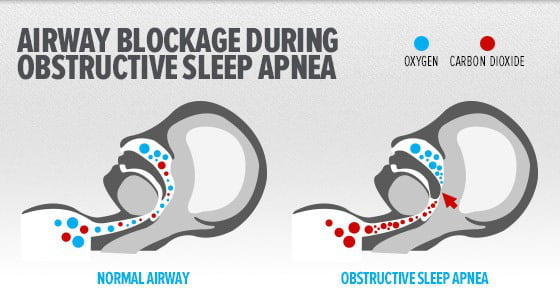
In most cases of Obstructive Sleep Apnoea, air stops flowing to the lungs because of a blockage (or obstruction) in the upper airway-that is, in the nose or throat.

The upper airway could become blocked due to:

  • The muscles relaxing too much during sleep, which blocks sufficient air from getting through*
  • The weight of your neck narrowing the airway
  • Inflamed tonsils, or other temporary reasons
  • Structural reasons, like the shape of the nose, neck or jaw

Central Sleep Apnoea (CSA)

Central Sleep Apnoea (CSA) is rare in general,and can be caused by certain drug therapies used in pain management, such as opioids, as well as heart failure, or a disease or injury involving the brain, such as:

  • Stroke
  • Brain tumor
  • Viral brain infection
  • Chronic respiratory disease

In cases of CSA the airway is actually open but air stops flowing to the lungs because no effort is made to breathe. This is basically because the communication between the brain and the body has been lost, so the automatic action of breathing stops.

Those with CSA don’t often snore, so the condition sometimes goes unnoticed.

Noticeably, in case of heart failure, CSA is very frequent, with up to 1 patient over 4 being affected.2 CSA also has a specific pattern in Heart Failure, known as Cheyne-Stokes Respiration (CSR). 

People with CSR have an abnormal, cyclic pattern of breathing that alternates deeper and sometimes faster breathing with a temporary stop in breathing (apnoea).

Together, Central Sleep Apnoea and Cheyne-Stokes respiration are known as CSA-CSR, which occurs in 30 to 50% of people with heart failure.1

Mixed sleep apnoea

This is a combination of both OSA (where there is a blockage or obstruction in the upper airway) and CSA (where no effort is made to breathe). Your doctor can help you understand more about this if you need to.

If you have any concerns that you may have any type of sleep apnoea, please consult your doctor.

What happens during normal breathing?

What happens during normal breathing

To find out what could be affecting your ability to breathe properly, it’s helpful to first understand what normal breathing looks like.

Breathing is automatic

It might sound simple, but it’s important to realize that breathing is not something we have to consciously remember to do. It’s a reflex that is controlled by nerve cells in the brain and spine.

The upper and lower airways

The respiratory system is made up of 2 parts: the upper and lower airways.

Upper airway

What happens during normal breathing

Lower airway

What happens during normal breathing

The lower airway is protected by the chest cavity, which also contains the heart and lungs.

The breathing process

What starts the breathing process is actually the effort you make to draw air into your body.

When you breathe, the air entering your nose is cleaned, warmed and moistened. It then flows through your trachea, your bronchi and down to the alveoli of your lungs.

As you inhale and exhale, your chest and ribs expand and contract to allow for the air going in and out.

Abnormal breathing

As you can imagine, the everyday act of breathing can become very difficult if you have a respiratory condition that affects the airways, muscles, nerves, reflexes or organs involved in breathing.

How to choose a travel CPAP machine

How to choose a travel CPAP machine

How to choose a travel CPAP machine

They’re not all created equal

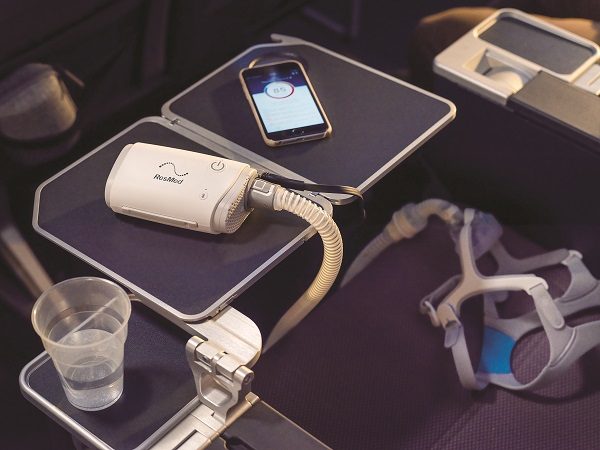
For frequent travelers, a portable PAP machine is smaller, lighter, easier to carry, and more discreet. A portable CPAP machine can fit into your regular carry-on bag, rather than needing a separate carrying case. And new innovations in design and technology have made it possible to experience the same performance with a mini PAP device as a home-based unit. But remember: not all travel PAP machines are the same. Look for machines with quiet operation, comfort therapy settings, and features that are similar to your home device.

Don’t be fooled when shopping for a travel CPAP machine
Travel PAPs come in a variety of sizes, shapes, and additional features. Some may look extremely small, but they require a lot of added components to work like your home system. Here are some other tips to help you find the machine that’s right for you:

  • Components a device with fewer components requires less time to assemble for use and packs easily into your suitcase.
  • Weight traveling light is important. Compare the weight of the PAP machines.
  • Tubing since each manufacturer will have different tubing, look for those with smaller tubes that provide ease of packing and more freedom of movement when you sleep.
  • Added features look for added features, such as, user friendly touch screen activation, built in USB charging port for cell phones or other devices, leaving outlets available for lamps, alarm clocks, etc.

However, you shouldn’t let the idea of traveling with your machine get you down. And you definitely shouldn’t leave your machine at home, even for short trips. What many people may not realize is that traveling with a CPAP machine is much easier than previously thought. Below you find some of our products for your traveling.

What to expect at the airport and on the plane

  • It is recommended  to label your CPAP case with a medical equipment luggage tag. However, most TSA agents are more than familiar with CPAP machines, and will easily recognize them as medical equipment.
  • You CPAP will need to be x-rayed. To expedite the process take the machine out of the carry case and place in an individual screening bin. The rest of the equipment can stay in the carry case.Your CPAP machine may need to be swabbed by an agent to check for explosives residue. If this is the case, you can ask that the agent use a fresh pair of gloves and an unused swab.
  • It may be a good idea to keep your prescription for the machine on you in the event TSA agents need additional confirmation for your equipment.
  • If you plan on using your machine on the plane make sure you have the necessary adapters or back-up battery pack.
  • Fill your humidifier with bottled water rather than using tapwater in the airport bathroom or the bathroom on the plane.
  • If you feel slightly embarrassed about using your device on the plane, you can always purchase a CPAP travel hoodie to be more inconspicuous.
  • You may want to check with your airline’s policy regarding CPAP usage in flight. Some airlines require a minimum of 48 hours notice of use of inflight CPAP machines to verify that your model meets FAA standards and regulations. Many airlines require that your machine is properly labeled indicating that it meets FAA safety regulations and is approved for use on an aircraft. click here for FAA regulations regarding medical carying and using medical machines in the Aircraft

How Alcohol Affects Sleep Apnea and Snoring by Relaxing Airway Muscles

How Alcohol Affects Sleep Apnea and Snoring

How Alcohol Affects Sleep Apnea and Snoring by Relaxing Airway Muscles

Understanding Why Drinking Alcohol and Sleep Apnea Don’t Mix

Alcohol consumption can induce sleep apnea and other sleep disorders. It disrupts the natural sequence and length of sleep states by changing the total amount of time you sleep and the time it takes you to fall asleep. It also has important impacts on breathing during sleep. How does alcohol affect the risk of sleep apnea and snoring by relaxing the muscles of the airway?

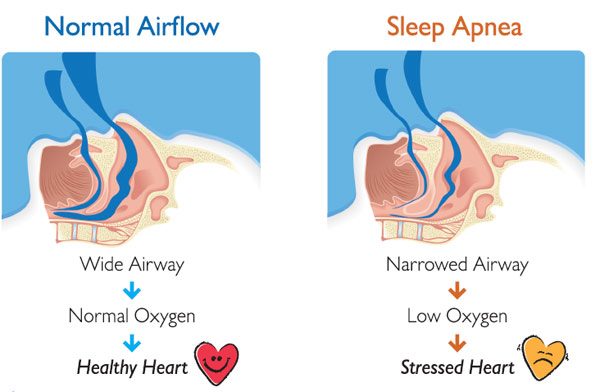
While about 20 percent Americans have obstructive sleep apnea (OSA), only about 10 percent have received a diagnosis. During an episode of sleep apnea, your air passage narrows to such a degree it interrupts your natural breathing cycle and wakes you up, although you may fall back to sleep so fast you don’t know you were ever awake. Sometimes the air passage completely closes.

You are more likely to have OSA than the general population if you are:

  • middle-aged or older
  • overweight or obese
  • have anatomy that narrows the airway

The Health Benefits of Sleep

No one knows the exact function of sleep but not getting enough of it causes serious consequences. If you don’t get enough sleep you increase your risk of developing:

  • depression
  • poor metabolism
  • heart disease
  • insulin resistance (diabetes)

The day after an insufficient night’s sleep, you feel tired the next day. Excessive daytime sleepiness caused by sleep disturbance, such as breathing interruptions, is associated with:

  • impaired function in social situations and at work
  • difficulty with remembering things
  • car accidents

These consequences are important to keep in mind when considering the effects of alcohol consumption on breathing during sleep.

Alcohol Causes Sleep Apnea and Makes It Worse

There is an association between alcohol and sleep apnea even if you don’t have a diagnosis.

Studies show that moderate or heavy drinking can cause episodes of OSA in people who don’t even have it. Additionally, if you have alcohol use disorder, you may be at higher risk for developing OSA, especially if you already snore.

For those with OSA, the consequences of sleep apnea become more pronounced when you drink because alcohoI can increase the time between when you stop breathing and “wake up” to breathe again. In other words, it makes your OSA worse.

The increase in the severity of your symptoms makes the drops in your blood’s oxygen levels, called desaturations, become more severe. This may lead to increased carbon dioxide levels in the body, a condition called hypercapnia, which, in severe cases, can be fatal.

Alcohol’s Effect on Nighttime Breathing and Snoring

Drinking alcohol can affect the nighttime breathing of patients with sleep-disordered breathing, such as sleep apnea.

Alcohol decreases your drive to breathe, slowing your breathing and making your breaths shallow. In addition, it may relax the muscles of your throat, which may make it more likely for your upper airway to collapse. This may contribute to both snoring, which represents the vibration of the soft tissues, to complete obstruction that occurs in sleep apnea.

Should Sleep Apnea Sufferers Avoid Alcohol?

If you have sleep apnea, the best advice would be to abstain from all alcohol use. If you enjoy drinking an alcoholic beverage, even occasionally, this is unlikely. At the very least, don’t consume alcohol in the several hours prior to bedtime to minimize the effects overnight. Use your treatment for sleep apnea every night.

You should also keep in mind the importance of setting up your continuous positive airway pressure (CPAP) under typical sleeping conditions. Therefore, if you drink alcohol daily but abstain prior to your titration study, the pressure may not be adequate to maintain your airway when you drink.

AutoCPAP machines that can adjust the pressures through the night may help to avoid this issue.

To maximize your response to therapy, consider the role that alcohol use plays in optimally treating your sleep apnea.

learn more about sleep Apnea risks?

Avoid Illness with Routine Cleaning of CPAP components

Avoid Illness with Routine Cleaning of CPAP components

Risks of Infection Reduced with Regular Cleaning, Distilled Water Use

It is common when initially starting the use of continuous positive airway pressure (CPAP) to treat sleep apnea to worry about the risk of infection from the device. You might ask, “Can CPAP make me sick?” Learn about whether you might be at risk of infection, including sinus infections and pneumonia, from using a CPAP machine. Review how to avoid this with proper cleaning steps on a regular basis and the use of filters, distilled water in a heated humidifier, and heated tubing.

The Dangers of Infection with CPAP Machines

First, the CPAP itself is initially a sterile device. The plastic and metal parts will not cause illness on their own, and germs will not be present there when the machine is new. Once you start using it, any germs inside the mask, tubing, or device are your germs. Therefore, you are at low risk of acquiring a new infection from a CPAP. The bugs whether they are bacteria or viruses are ones that you put there via breathing, and your body has already reached a truce with them. Though there may be a reasonable concern for potential infection from the use of CPAP equipment, there is little research in adults supporting such an association. Modern devices with the use of heated humidifiers, heated tubing, hypoallergenic filters, and improved design have not been well studied.
In fact, there are currently zero—yes, zero—case reports by doctors& found in the scientific literature of CPAP use contributing to an increased risk of upper respiratory infection like sinus infections or pneumonia.
There have been a few reports of eye irritation and ulceration occurring, possibly related to masks leaking air into the eyes, but the cause-and-effect relationship is not clear.
In conclusion, it is very likely that CPAP therapy simply does not cause higher rates of infection.

The Potential Risk of Warm, Humid Environments and Mold

The CPAP has some “creature features” to make it more comfortable to use. In particular, the heated humidifier and heated tubing may make the air more warm and moist. This decreases mouth and nose dryness, which may actually reduce the risk of potential infection, and improves tolerance to the therapy. (Inflammation along the airway often improves with CPAP use, in fact.) However, there are organisms that also love a warm, humid environment. In particular, fungus, yeast, and mold would love to hang out in such a place. If your CPAP is not kept clean and excess moisture is allowed to sit in the tubing or humidifier, you might be at risk of developing a fungal or yeast colonization. Dangerous molds could also establish themselves in the equipment. These organisms could potentially be harmful to you.
Large studies have not been performed, and cases of this occurring have not been reported in the literature, but the risk is likely extremely low. The use of a humidifier and adequate hygiene seems to reduce these risks. If water is left in the device for an extended period of time without use, mold is more likely to form. Therefore, the device should not be stored with water left in it, especially in an environment that might promote such growth (like leaving the CPAP in a shed or garage for months or years and then resuming its use).

How to Avoid Infection When Using CPAP

In order to reduce the theoretical risk of infection or exposure to unwanted fungi or molds, there are certain steps that you can take.
  • Make sure to clean your CPAP as often as you should with hot water and dish soap. The equipment manufacturers suggest daily cleaning. It is recommended that this be done at least weekly, depending on your environment. It is not necessary to use an expensive CPAP sanitizer device to reduce the risk of infection that is simply not there.
  • If you are sick with a cold or flu, clean your mask, tubing, and device thoroughly to remove mucus and other undesirable residual discharges from the illness. This basic hygiene can help to avoid any unpleasant smells from developing.
  • Do not let water or moisture remain in the equipment for prolonged periods and use a heated humidifier and heated tubing to reduce condensation. If you decide to stop using the treatment for longer than a few days, clean and dry it out completely. Modern devices are also able to circulate air to help dry out the tubing after use has concluded.
  • Use distilled water in the humidifier to reduce your risk of infection by amoeba in& certain regions such as Lousiana. If you don’t trust the local water supply, always err on the side of using distilled water. This can also avoid the accumulation of minerals inside the water chamber.
  • Replace your supplies, including machine filters, as often as you should. Filters have been shown to reduce the spread of bacteria within the device. Masks should be replaced at least every 3 months and filters should be changed from every 2 weeks to monthly.
  • Do not share your equipment with others to prevent the spread of infection. Do not purchase or accept used equipment, especially used masks and tubing.
By taking these simple steps, you can further reduce the risk of infection and ensure that you get the healthful benefits you expect from your treatment.
Sources:
Aly H et al. “Nasal colonization among premature infants treated with nasal continuous positive airway pressure.” Am J Perinatol. 2011 Apr; 28(4):315.320.
Gelardi M et al. “Regular CPAP utilization reduces nasal inflammation assessed by nasal cytology in obstructive sleep apnea syndrome.” Sleep Med. 2012 Aug;13(7):859-63.
Harrison W;et al. “Anterior segment complications secondary to continuous positive airway pressure machine treatment in patients with obstructive sleep apnea.Optometry. 2007 Jul;78(7):352-5.
Ortolano, GA et al. “Filters reduce the risk of bacterial transmission from contaminated heated humidifiers used with CPAP for obstructive sleep apnea.” J Clin Sleep Med. 2007 Dec 15; 3(7)700-5.
Sanner BM et al. “Effect of continuous positive airway pressure therapy on infectious complications in patients with obstructive sleep apnea syndrome.” Respiration. 2001; 68(5):483-7.

CPAP Pressure Settings and how it Correlate with Sleep Apnea?

CPAP Pressure Settings and how it Correlate with Sleep Apnea

CPAP Pressure Settings and How They Correlate with Sleep Apnea

If you’ve been prescribed continuous positive airway pressure (CPAP) therapy to treat obstructive sleep apnea (OSA), you may wonder whether your required CPAP pressure is directly linked to the severity of your sleep apnea, as measured by the Apnea-Hypopnea Index (AHI). Is it simply based on this measure, or are there additional factors that influence the setting? This article explores the relationship between CPAP pressure settings and sleep apnea severity and explains how anatomy, sleep position, and sleep stages also play critical roles in determining the optimal treatment.

How Sleep Apnea Severity Relates to CPAP Pressure Needs

It may seem logical to assume that a higher level of OSA would automatically require a higher CPAP pressure setting. In treating many conditions, higher severity often demands stronger intervention. However, the relationship between CPAP pressure and sleep apnea isn’t quite so straightforward.

OSA is diagnosed through an overnight sleep study, which records the number of times per hour your airway collapses, causing oxygen levels to drop or waking you up. If the airway collapses completely, the event is termed an apnea, and if it partially collapses, it’s a hypopnea. The combined total of these events per hour is your AHI score, which helps classify the severity of OSA as follows:

  • Mild OSA: 10-20 events per hour
  • Moderate OSA: 20-30 events per hour
  • Severe OSA: More than 30 events per hour

Though a higher AHI score generally suggests more severe OSA, it doesn’t always correlate directly with higher CPAP pressure needs. In many cases, CPAP therapy begins at a low setting and is gradually increased to eliminate apnea and hypopnea events, as well as snoring. The minimum pressure on CPAP machines usually starts around 4-5 cmH2O (centimeters of water pressure), but the maximum setting varies based on the machine, sometimes reaching 20 cmH2O on standard CPAP models and up to 25 cmH2O on more advanced types.

Determining the Optimal CPAP Pressure

When CPAP settings are determined in a sleep lab, a sleep technologist monitors your breathing and adjusts the setting while you sleep. The goal is to eliminate sleep apnea and snoring while promoting deep sleep stages, including rapid eye movement (REM) sleep. In some cases, an AutoCPAP device is prescribed, allowing a range of pressures instead of a fixed one. These devices adjust pressures automatically in response to your airway resistance, optimizing the setting based on changes in your body’s needs throughout the night.

In fact, the severity of sleep apnea doesn’t always determine CPAP pressure needs; people with more severe OSA don’t always need higher pressures, and those with mild OSA may sometimes need higher settings. Factors such as body weight, nasal obstruction, and individual anatomy significantly impact CPAP pressure requirements.

Key Factors in Determining CPAP Pressure Needs

  1. Anatomy: The physical structure of your upper airway significantly influences CPAP pressure needs. Blockages from nasal congestion, a soft palate that tends to collapse, or a tongue that falls back into the airway may require different amounts of air pressure to stay open.
  2. Body Weight: Excess weight can increase pressure needs due to additional tissue around the neck and airway. Conversely, if you lose weight—about 10% of body weight or more—it may be possible to reduce the CPAP setting.
  3. Substances and Medications: Alcohol, sedative medications, or muscle relaxants can increase airway collapsibility, causing you to need higher CPAP pressures temporarily.
  4. Sleep Position and Stage: Sleeping on your back often exacerbates OSA, requiring higher pressure to keep the airway open. REM sleep, which typically occurs toward morning and is associated with muscle relaxation, may also increase pressure needs as the airway becomes more relaxed and susceptible to collapse.

Reviewing Residual AHI and Adjusting CPAP Pressure

Because your CPAP pressure requirements can vary throughout the night, achieving an ideal setting can be challenging. If the pressure is too low, apnea events may not be adequately controlled; if it’s too high, issues like mask leaks or air swallowing can arise. Many modern CPAP machines now report residual AHI, which helps track the frequency of events still occurring despite therapy. Sleep specialists use this data to make adjustments to your pressure settings.

An AutoCPAP may be especially helpful if your pressure needs change over time or are influenced by variable factors such as body weight, lifestyle, or medications. Regular review and optimization by a sleep specialist are essential to achieving the most comfortable and effective treatment, ensuring you enjoy the maximum benefits of CPAP therapy and a restful night’s sleep.

When to replace different CPAP supplies

When to replace different CPAP supplies

Masks Cushions

Nasal mask cushions are in constant contact with your face and nasal pillows sit inside your nose throughout the night and in some case even during day. Regular replacement is recommended for hygienic purposes and to ensure the best fit.
Every 8-10 months or earlier depending of the cushion condition
When to replace different CPAP supplies
Full face mask cushions cover more of your face and may deteriorate over time through regular wear and tear. Regular replacement is recommended for hygienic purposes and to ensure the best fit.

Machine Air filter

When to replace different CPAP supplies
Why: Your CPAP is a small machine that delivers air pressure to splint your airway open. To protect you from dust and allergens, your CPAP includes an air filter that requires regular replacement to work best.

Tubing

CPAP machine tubing may develop small holes or tears, which can cause air leaks. If your tube is leaking, you may not be receiving your prescribed therapy setting from your CPAP. This can cause you to feel like you’re not sleeping as well.

Headgear

Mask headgear and chin straps may become stretched and lose their elasticity, leading to over-tightening and discomfort. They can also trap bacteria from sweat and moisture.
Every 10-12 months or earlier

Humidifier water chamber

Humidifier water chambers may become discolored, cracked, cloudy or even pitted due to the mineral levels found in most tap and drinking water. As the material deteriorates, cracks may trap bacteria from moisture.
Every 12 months or earlier

CPAP Machine

A CPAP machine’s life span is typically 5 years. We recommend getting a backup CPAP machine, especially if your current machine is more than two years old. That way you’ll never be without your therapy, even if one of your devices requires maintenance.
Every 5 Years

How to Get Through Airport Security When Travelling With CPAP Machines

CPAPstore.eu - Airport_Suitcase
CPAPstore.eu - Airport_Suitcase Travel Tips When Flying or Traveling with CPAP If you have sleep apnea treated with continuous positive airway pressure (CPAP), you may wonder how to get through airport security when you travel with CPAP away from home. It is important that you use your CPAP every night, even when away on business or vacation, and a few simple steps should make getting through security a breeze. Discover some helpful tips to travel with CPAP machines. Travel Tips When Flying or Traveling with CPAP First, do not check your CPAP machine as baggage. It is important that it not become damaged during transit, and the only way to ensure this is to keep it with you as a carry-on bag. According to the Department of Transportation (DOT), medical devices such as CPAP are not counted as one of your carry-on or personal items, so you should not be worried about carrying it with you. It is still an extra bag to carry, however, so factor this into your plans as you want to be sure you will be able to comfortably carry it. It can be placed in the overhead bin or under the seat in front of you. As you pass through the airport security checkpoint, you will likely need to remove the CPAP from its case, and it may be subject to examination, including a swab for explosives or x-ray screening. These are unlikely to harm the device. At some airports, the CPAP is required to be placed in a plastic bin for screening. Often it may remain in the bag and just be placed on the screening belt. Most security screeners are likely to be familiar with CPAP and similar medical devices. However, if you are traveling to a part of the world that may be less familiar with them, you may wish to carry a letter from your doctor briefly explaining its purpose and your medical need. This is generally unnecessary. Using CPAP While Away from Home Once you arrive at your destination, you want to ensure that you can comfortably use your CPAP machine. There are a few other things to keep in mind while you are traveling:

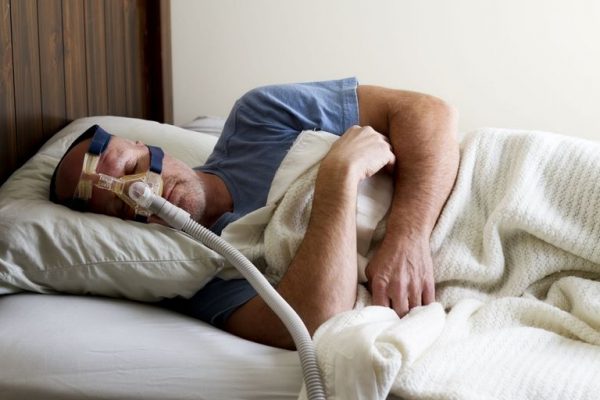
  • Extension Cord: It may be helpful to bring an extension cord as outlets may not be near the bed, especially in older hotels.
  • Distilled Water: It is recommended that you continue to use distilled water in the humidifier, but tap water is safe in most regions. If you are uncertain, err on the side of caution.
  • Power Adapters: Modern CPAP machines have an internal voltage converter, but you may still require an outlet adapter if you are traveling abroad.
  • Extra Parts: Depending on the length of your trip, you may want to have an extra supply of important components, including your mask, tubing, and filters. If last-minute replacement is needed, you may want to have the phone number for your equipment provider.
  • These travel tips will allow a quick passage through security and a healthy and restful trip wherever your journey takes you. If you have any further questions or concerns, speak with your sleep doctor for additional advice. Don’t leave your CPAP at home, you want to rest just as well on your trip, and it is possible to travel with ease.
Source: Department of Transportation, “Fact Sheet: Steps Taken to Ensure New Security Requirements Preserve and Respect the Civil Rights of People with Disabilities.” Washington, D.C. How to Get Through Airport Security When Travelling With CPAP Machines

Pressure, Ramp Up What Does this features Means?

Pressure, Ramp Up What Does this features Means

Pressure, Ramp Up What Does this features Means?

Comfort Setting May Reduce Mask Leak and Ease Insomnia

If you use continuous or bilevel positive airway pressure (PAP) to treat your obstructive sleep apnea, you may wonder: What does the ramp up feature mean on a CPAP or BiPAP machine? Learn how this feature can reduce your starting pressure to improve your ability to fall asleep and why it may undermine your treatment if used excessively. Consider reasons why the ramp may be overused, such as may occur with mask leak or insomnia.

Discover how to set your ramp and what to do if you find you need it too much.

What Is a Ramp on CPAP?

Most modern CPAP or bilevel machines have a comfort setting called a ramp. As the word implies, it allows the machine to start at a lower pressure and then gradually to increase the pressure over a set period of time. The beginning of the ramp, with a lower pressure, may make it easier to fall asleep. Once you have fallen asleep, the pressure can be increased to the range that is needed to keep your upper airway from collapsing during sleep.

How Is the Ramp Set on CPAP?

There are multiple PAP machine models available from distinct manufacturers and various iterations over the past decades. Not all have a ramp feature, and the ability to access it will vary based on the model. It may be easiest to review your device’s manual or to speak with your durable medical equipment provider or sleep specialist to access the setting.

In general terms, the ramp may begin when the machine is turned on and it may be initiated via a reset button on the external surface (often with a triangle on it). Its settings may also be a feature that is accessed via a user menu on the device’s display screen. The initial pressure and duration of the ramp may be preset by your provider or be accessible to you.

There are two variables to consider in the ramp setting. First, the starting pressure should be comfortable. It is generally lower than the pressure that may be required later to support your breathing once you’ve fallen asleep. The lowest possible ramp setting is 4 centimeters of water pressure (CWP). If it is set too low, you may struggle to get enough air and may request that it be turned up.

Second, the duration of this starting pressure will vary in 5-minute intervals from zero (if off) to 45 minutes. This duration should be slightly longer than the average amount of time it takes you to fall asleep. If you feel the pressure becoming stronger, your ramp is likely too short. In addition, newer devices may have an automatic ramp feature that detects changes in the regularity of your breathing with the onset of sleep as an indicator that the pressure can be turned up.

How to Use a CPAP Ramp and Problems When It Is Overused

It is advised to use your ramp to help ease yourself into sleep without having to contend with an uncomfortable pressure. Once the ramp ends, the device will increase to your lowest therapeutic pressure (which may be either fixed or further adjusted during the night as needed with an AutoCPAP or Autobilevel machine).

If you wake in the night and the pressure has become uncomfortably high, it is possible to reset the ramp and allow the pressure to be lowered again. This may be desirable if you have awakened for any reason, including to urinate. It may also be helpful if your mask has started to leak excessively and has become disruptive due to noise or the discomfort of the air flow. This will allow you time to fall back asleep at a lower, more comfortable pressure.

It is possible to overuse your ramp and this can cause some problems. When reviewing your usage data, your sleep specialist may note multiple ramp resets throughout the night.

This might suggest the presence of excessive mask leak, pressure levels that are too high, or coexisting insomnia. Repeated resets of the ramp can reduce the effectiveness of therapy. If you require a pressure of 10 CWP to support your breathing, and you consistently reset your ramp to 4 CWP for 45-minute intervals through the night, you will have long stretches when your sleep apnea is not adequately treated.

For those who are needing to repeatedly reset the ramp, think about the underlying cause. If you are waking to urinate, or due to mask leak, address these underlying problems. You may benefit from a mask fitting to explore a new option. In some cases, it may be necessary to switch to bilevel therapy, as this treatment can make it more comfortable to breathe both in and out.

Speak with your equipment provider or a sleep specialist if you need additional assistance in optimizing the settings of the ramp on your PAP machine.

How to Prepare for a Sleep Study

How to Prepare for a Sleep Study

Preparing for your sleep study

For the most part, to get the best results out of your sleep study, technicians want you to go about your usual evening routine as much as possible. However, there are
However, there are a certain thing you can do to make the study go more smoothly, and still garner the most accurate results.How to Prepare for a Sleep Study

What to bring

  • If you take any regularly prescribed medications according to your physician’s instructions it is suggested to take them with you.
  • Bring sleeping clothes such as pajamas or shorts and a t-shirt. Although your comfort is very important, most clinics prefer you not to sleep naked the night of the study.
  • It is not necessary but if you desire you may bring your favorite pillow or blanket if desired.
  • Bring any other specialty items you may need for sleep or will need first thing in the morning such as toiletries, toothpaste, toothbrush, hair dryer, etc.

What to do before arriving for the study

  • Try to avoid naps during the day so that going to sleep will be easier during your study.
  • Wash and dry your hair before going to the clinic. Do not apply sprays, conditioners, gels, or oils to your hair. There are a number of electrodes that will be administered and these substances can adhering equipment difficult.
  • Remove nail polish from index fingers. You will be wearing a pulse oximeter on one index finger.
  • Have your evening meal prior to showing up for your study.
  • Try and avoid eating or drinking anything with caffeine a few hours before your study. If possible, avoid caffeine after your lunch.
  • Have all paperwork given ahead of time filled out?
  • Notify the sleep clinic if you need to come in early or show up later so that you can better be accommodated.
  • Let the clinic know ahead of time if you have any special needs (e.g. trouble getting in/out of bed, anyphysical limitations, nocturnal enuresis, impairments, etc.).

What to do upon arrival and what to expect

  • Notify your sleep tech of any prescription medications and recreational drugs you take (be as honest as possible for best results).
  • If your physician prescribes a sleep aid for the night of the study, ask the technologist when to take it.
  • You’re going to be hooked up to a lot of monitoring equipment that takes about an hour to apply. Please be patient and take direction from your technologist.
  • Sleeping with a lot of equipment on can be a little uncomfortable, but your technologist will do everything they can to make you as comfortable as possible.
  • Your technologist will administer the study from another room, but you will have an intercom next to your bed if you need to contact them anytime during the study.
  • For more information on the procedures and equipment used in a sleep study click here.
  • Your results will not be ready the following day. Both the technologist and the sleep physician will need to interpret the study’s data.


The Epworth Sleepiness Scale

Everything you need to Know About Sleep Apnea

Sleep apnea, cpap devices, cpap masks, What is Sleep Apnea

Everything you need to Know About Sleep Apnea

cpapstore-everything you need to know about sleep apnea

Sleep apnea also referred to as sleep apnoea, is a common sleep disorder. It’s characterized by brief interruptions of breathing during sleep.

These episodes, called apneas, last 10 seconds or more and occur repeatedly throughout the night. People with sleep apnea partially awaken as they struggle to breathe, but in the morning they may not be aware of the disturbances in their sleep.

The most common type of sleep apnea is Obstructive Sleep Apnea, caused by relaxation of soft tissue in the back of the throat that blocks the passage of air. Central Sleep Apnea is caused by irregularities in the brain’s normal signals to breathe.

Some people with sleep apnea have a combination of both types.

What causes sleep apnea?

In the case of central sleep apnea, it happens when the brain fails to send signals to the respiratory muscles. This is most common in babies, and in adults with heart problems, but can also be caused by some medicines.
In obstructive sleep apnea, the message from the brain to the respiratory muscles gets through but breathing fails through an obstruction preventing the flow of air.
Mixed sleep apnea is caused by a combination of these failures.

Obstructive sleep apnea affects more men than women, and is more common and has increased severity in obese people.

What are the symptoms of obstructive sleep apnea?

OSA is more common in men than women and in people who are overweight or obese. Here are some symptoms to look for if you suspect you are suffering from this disorder.

  • Excessive Daytime Sleepiness
  • Restless Sleep
  • Loud Snoring, with Periods Of Silence Followed By Gasps
  • Falling Asleep During The Day
  • Morning Headaches
  • Trouble Concentrating
  • Irritability
  • Forgetfulness
  • Mood or Behavior Changes
  • Weight Gain
  • Increased Heart Rate
  • Anxiety
  • Depression

How is to treat obstructive sleep apnea!

There are several non-surgical options varying from behavioral changes to medications and dental appliances.

Behavioral changes may simply involve getting the sufferer to change their sleeping position, as most apneas seem to occur whilst sleeping on the back. A change in diet and lifestyle with a consequent reduction in obesity can also markedly reduce the severity of symptoms. However, these changes are easier to talk about than to implement.
Dental appliances are sometimes used for mild cases of obstructive sleep apnea – these work by holding the jaw and tongue forward and the palate up to prevent airway closure.
One of the best non-surgical treatments is called auto CPAP or continuous positive airway pressure. This is a machine which delivers heated and humidified air under pressure through a mask to the sufferer whilst they sleep. The machine is light and portable, and most people quickly get used to the noise the machine makes, and to wearing a mask.

Surgical options for obstructive sleep apnea include palate implants, reducing the size of the tongue, procedures on the jaws, and surgery of the nasal passages. Surgery should not be undertaken lightly because of the underlying risks of anesthesia and complications from the surgery itself.

If you suffer from obstructive sleep apnea or know anyone who does, then it is important that you seek qualified medical advice as soon as possible. Continuing your life without recourse to treatment leaves you open to the much higher risk of heart attack, stroke, high blood pressure, and even sudden death.Seek specialist help today.